The first line of most menu shoot briefs is a number: twenty dishes, forty, the whole menu. It is usually a guess, and it is usually wrong in both directions. Slow sellers make the list, while the dishes that carry the business get one rushed frame.
A better starting point is to ask which dishes, and for which screens. Answer that and the count falls out of it, along with the size of shoot you need. Our food photography packages turn those counts into four shoot sizes, from a focused refresh of five to ten dishes to a full menu day.
What follows is the planning we do with Dubai restaurants before a shoot is quoted: sales data first, then delivery coverage, categories, budget, the frames each dish needs, seasonal items and when to reshoot.
Start with your sales data, not the menu
Your menu lists everything the kitchen can make. Your sales report lists what people actually order. The shot list should come from the second one.
Pull recent sales from your POS and from each delivery dashboard, then make three short lists:
- Best sellers by volume. The dishes guests already choose, and the ones most likely to be seen first on every platform.
- Highest margin. The dishes you would most like to sell more of. A strong photo is how you point guests towards them.
- Signature dishes. The plates that define the concept and the ones you want to be known for, even if they are not yet top sellers.
Where the three lists overlap, you have your heroes. Our food photography brief template suggests picking the three to five hero dishes that deserve extra time, and that is a sensible limit. Heroes get styling, more angles and the best light of the day, so every addition costs time.
Everything else on the shortlist is a standard dish, shot cleanly, consistently and quickly. Most menus need far more standard frames than hero frames, and that is where the real dish count comes from.
Dine-in menus and delivery listings need different counts
A printed dine-in menu has room for only a few photos, and plenty of good restaurants print none. For dine-in, photography does its work before the guest sits down: on your website, your social channels and your Google Business Profile photos.
Delivery apps work the other way round. Talabat, Deliveroo, Careem and noon Food list every item on your menu whether it has a photo or not, so a text-only line sits in the same scroll as photographed dishes. Our pre-launch photography checklist makes the same point for openings: if you sell on an app, every menu item needs a clean, platform-ready photo.
The platforms also shape the count. Deliveroo's menu photo guidance says hero images should show at least five different dishes, and that the platform crops menu item images to a 1:1 square. That gives you two numbers before you have looked at a single plate: one frame for every listed item, and a group shot with five or more dishes for the store hero.
The full platform specs are in our guide to Talabat, Deliveroo, Careem and noon Food photo requirements. If you would rather have the whole set shot for you, see delivery app menu photography.
Cover every category, not only the mains
Shot lists drift towards mains, because mains are what the chef wants to show. A menu that is only photographed in the middle looks unfinished, and the gaps tend to fall in the categories that lift the average order. Work through the menu category by category:
- Heroes and signatures. Covered above. These lead every channel.
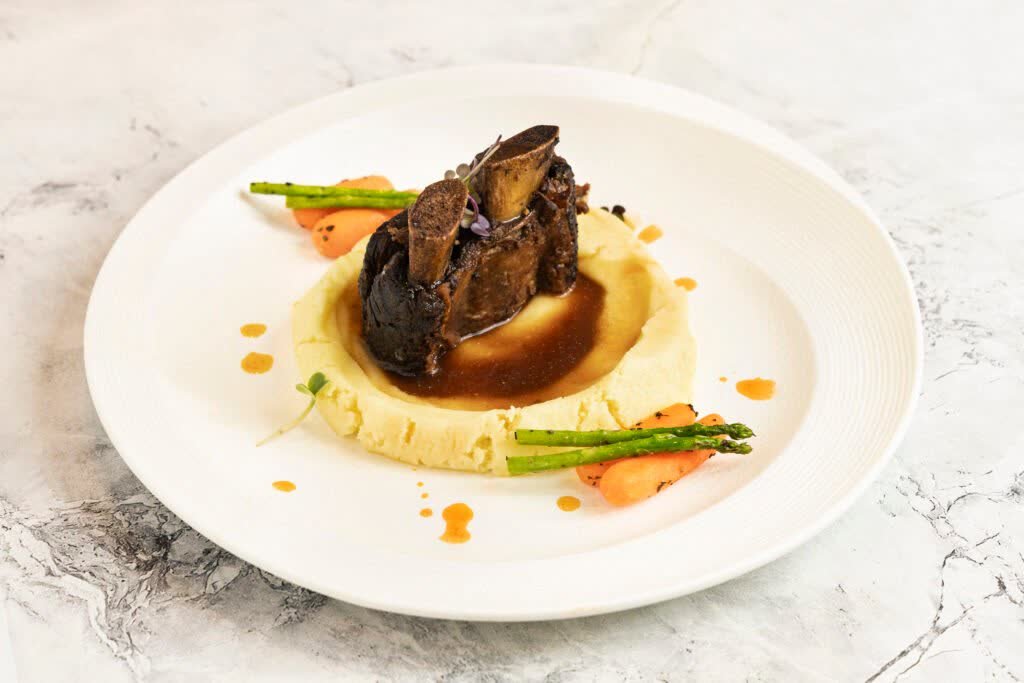
- Mains. Every main you sell on delivery, and on dine-in the ones guests ask about.
- Sides and add-ons. Fries, rice, breads and sauces are small lines that get added on the way to checkout. A clean frame of each makes that choice easy.
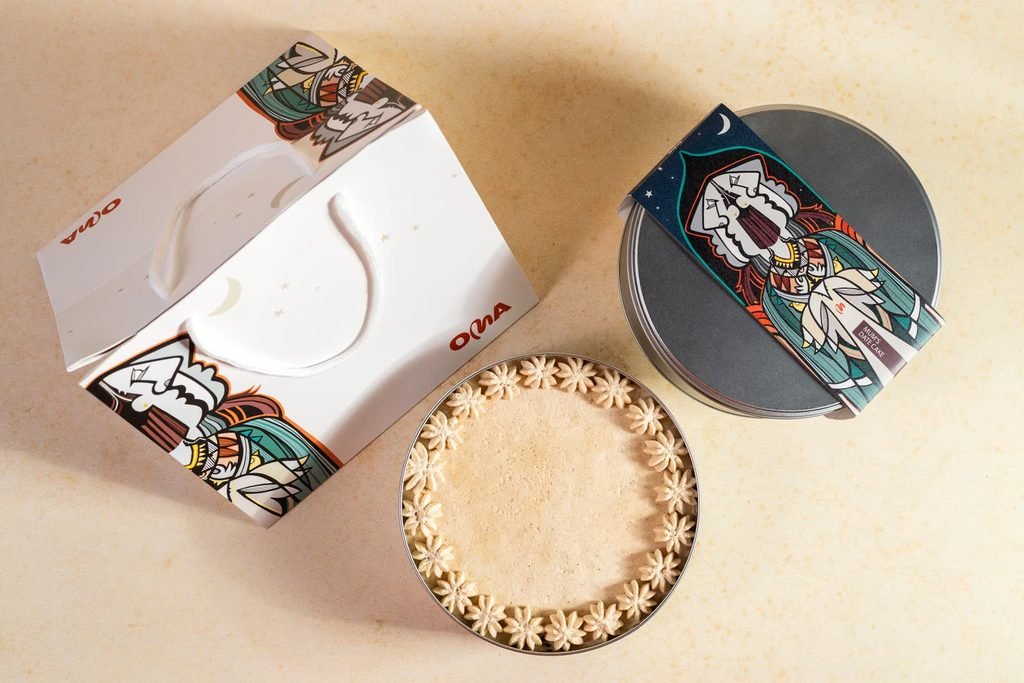
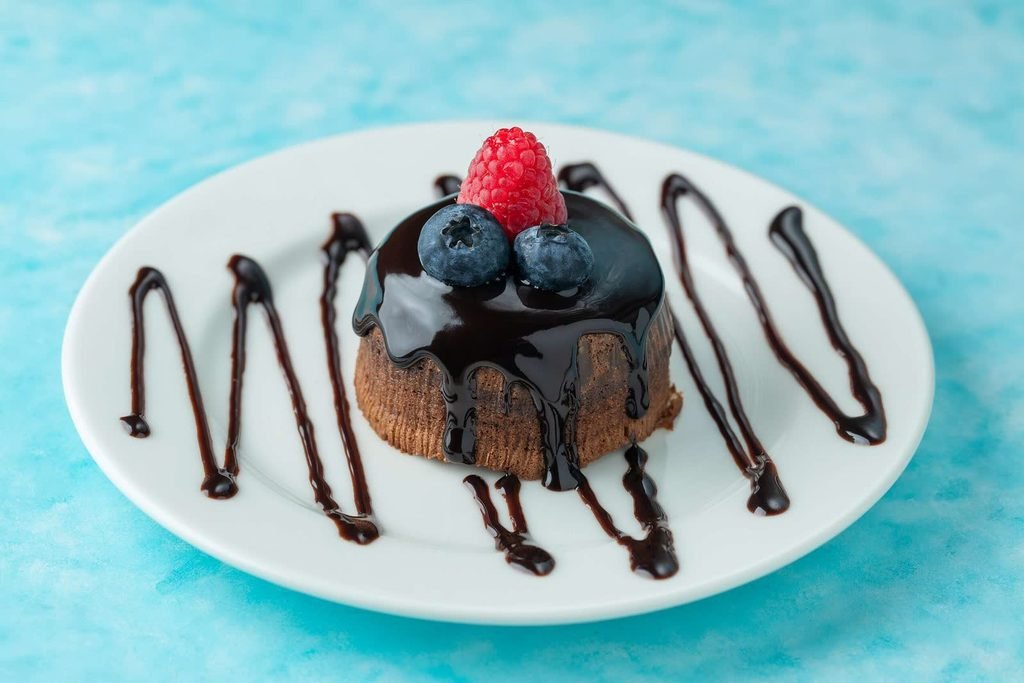
- Desserts. Often the most photogenic plates and often the ones left off the list. Shoot them in the same light as the mains so the menu reads as one.
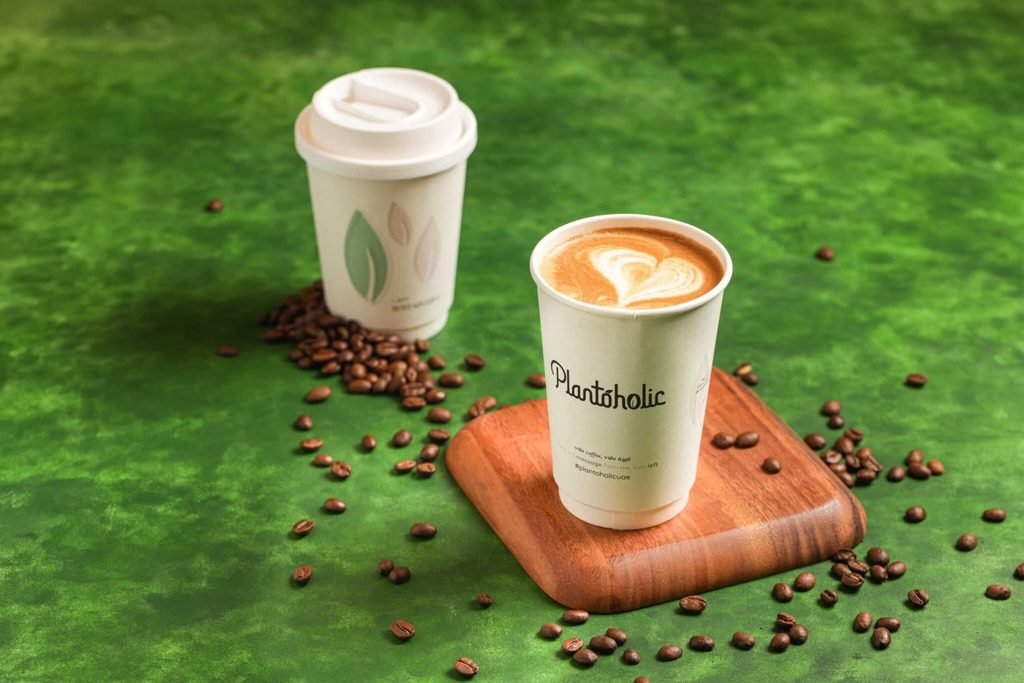
- Drinks. Juices, mocktails and coffee need their own set-up, because glass, ice and condensation behave differently from food. Our beverage and drink photography page explains how we light them.
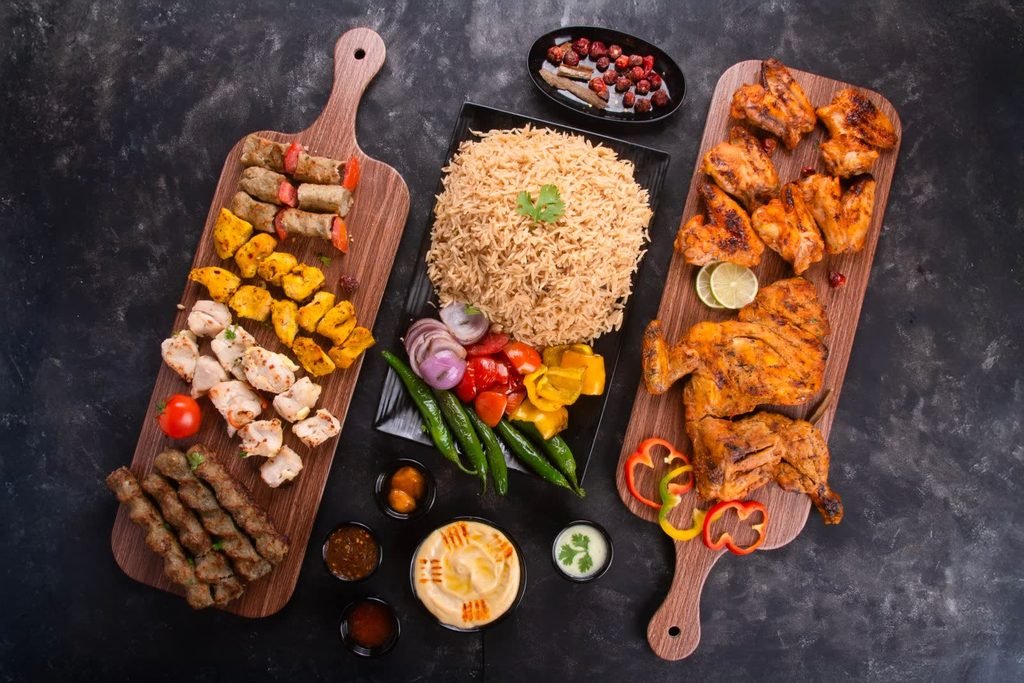
- Combos and family meals. Photograph a bundle as one real set, the way the customer receives it, rather than as a collage of separate dishes.
Prioritise when the budget will not cover the whole menu
You do not have to photograph the whole menu at once. Map your list onto the four shoot sizes in our food photography pricing guide, then phase it:
- Small menu refresh, five to ten dishes. Your heroes and highest-margin dishes, typically a few hours on site or in studio. The right first step when the budget is tight.
- Full menu shoot, twenty or more dishes. A half day to full day covering the majority of the menu for delivery apps, website and print. The right call for an opening, a rebrand or a full delivery listing.
- Seasonal or campaign shoot. Ramadan, Eid or a launch, priced as a project rather than per dish.
- Ongoing content package. A monthly or quarterly retainer that adds dishes a few at a time, usually more cost efficient than repeated one-off bookings.
A phased plan for a forty-item menu might run like this: heroes and highest-margin dishes first, the rest of the delivery menu in a second session, and new or seasonal dishes added as they launch. The order matters more than the total, because the first session covers the dishes that do the most work.
Phasing only works if the look holds. Keep the same crockery, surfaces and lighting across sessions, so dishes shot months apart still sit together on one listing. Our food photography packages page sets out what each shoot size includes and what moves the quote.
Decide the frames for each dish before the shoot
The dish count is only half the shot list. The other half is how many frames each dish needs, and that depends on where it will run.
- Landscape master. The main frame, for your website, booking pages and listings. Compose it with space around the plate.
- 1:1 square. For delivery apps that crop to a square, as Deliveroo does. Plan it at the camera by leaving room on every side, because a tight landscape frame loses the edges of the plate when it is cut down.
- Detail. Texture, a cut section, a pull of cheese or a pour of sauce, for social and for heroes.
- Vertical. For stories and reels. A landscape frame rarely crops cleanly to vertical, so shoot it separately when you need it.
Standard dishes usually need the landscape master and a square crop taken from it. Heroes get the full set. Write the frames against each dish in the brief, because every extra angle adds set-up and plating time on the day.
One more rule from the platforms: Deliveroo asks for no hands, faces, text or raw ingredients placed around dishes in the photos you upload. Styled frames with scattered herbs and props belong on social and in campaigns, so shoot the clean version of each dish first, then style it.
Give seasonal and limited-time dishes their own slot
Seasonal dishes have a short selling window, so a late photo wastes most of it. Photograph them within a week of launch at the latest. Earlier is better: a dish photographed before launch day can go live with the menu.
Ramadan and Eid need the most lead time. Book four to six weeks ahead, because demand for photographers rises sharply around both. Our guides to Ramadan and iftar menu photography, Eid Al Adha menu photography and summer menus of cold drinks and iced desserts cover what each season asks for.
Treat a limited-time offer as a small shoot of its own, or fold it into a monthly content session, rather than leaving it for the next full menu day.
Reshoot on a schedule, not when someone complains
Menu photos go stale quietly. Plating drifts, crockery gets replaced and a new supplier changes how a dish looks, while the old photo keeps running.
Our guide on how often restaurants should update menu photos suggests a refresh every six to twelve months for most restaurants, and sooner if the menu, plating or crockery changes. Cafes and bakeries tend to need quarterly updates because the counter changes constantly, and delivery-only kitchens should reshoot whenever a dish or platform listing changes.
To keep new dishes consistent with old ones, record the set-up from the first shoot: light position, surfaces, crockery and camera angle for each category. Keep spare plates from the same range, and adding dishes later becomes a short, predictable session.
Turn the count into a shot list
Once you know the dishes and the frames, write them down in a form the kitchen and the photographer can both work from. For each dish, note:
- The dish name, exactly as it appears on the menu and the delivery listing
- The category, and whether it is a hero or a standard dish
- The frames needed: landscape, square, detail or vertical
- Where it will run: delivery apps, website, print or social
- Plating notes, who plates it and how many backups the kitchen can make
Order the list by set-up rather than by menu section, so dishes that share a surface and light are shot together, and agree it with the chef before the day. Ask for the delivered files to be named after the menu items, so whoever uploads them can match each file to its listing without guessing. The same brief template covers the rest of what a photographer needs to know.
Frequently asked questions
How many dishes should a restaurant photograph?
Photograph every dish you sell on a delivery app, plus hero frames of your best sellers, highest-margin and signature dishes. If you only serve dine-in, start with those top dishes, which usually means a small refresh of five to ten dishes. A full menu shoot of twenty or more dishes makes sense when you open, rebrand or put the whole menu on delivery apps.
Should every item on a delivery menu have a photo?
Yes, every item you sell on a delivery app should have a photo. Talabat, Deliveroo, Careem and noon Food list every item whether it has an image or not, so a text-only line sits in the same scroll as photographed dishes. Deliveroo's menu photo guidance also asks for a store hero image showing at least five different dishes, so plan that group shot into the same session.
How many photos do you take per dish?
Most standard dishes need one landscape master frame, composed with enough space around the plate to crop to the 1:1 square that delivery apps use. Hero dishes get more: extra angles, a detail of texture or a cut section, and a vertical frame for stories and reels. Agree the frames for each dish in the shot list, because every extra angle adds set-up and plating time.
How long does it take to photograph 20 dishes?
Twenty dishes is a full menu shoot, which takes a half day to a full day depending on styling and how quickly the kitchen can plate. Simple plates on one consistent set move faster than layered desserts or dishes that need garnish work. Video, extra sets or a second location extend the day, so mention them when you ask for a quote.
Which dishes should I photograph first?
Photograph your best sellers, highest-margin dishes and signature dishes first, starting with the ones that appear on all three lists. Those are your heroes and deserve the most time on the day. After that, cover any item with no photo on your delivery listing, then anything whose plating, portion or crockery has changed since your last shoot.
How often should menu photos be reshot?
Most restaurants should plan a refresh every six to twelve months, and sooner if the menu, plating or crockery changes. Cafes and bakeries tend to need quarterly updates because the counter changes constantly, while delivery-only kitchens should reshoot whenever a dish or platform listing changes. Seasonal dishes are best photographed within a week of launch, or before it.
Can I photograph new dishes later and keep the same look?
Yes, as long as the lighting, crockery, surfaces and angles from the first shoot are recorded and reused. Ask for the set-up to be noted for each category, keep spare plates from the same range, and shoot new dishes against the same backgrounds. Shorter recurring sessions are usually the easiest way to keep a menu library consistent.
Where to start
Start with your sales report and your delivery menu, mark the heroes, and count what is left. That number, split by category and by frame, is your real shot list.
When you have it, our food photography packages page shows which of the four shoot sizes fits and what moves the quote. Or contact Food On Focus Media with the list, and we will tell you what is realistic in one session.