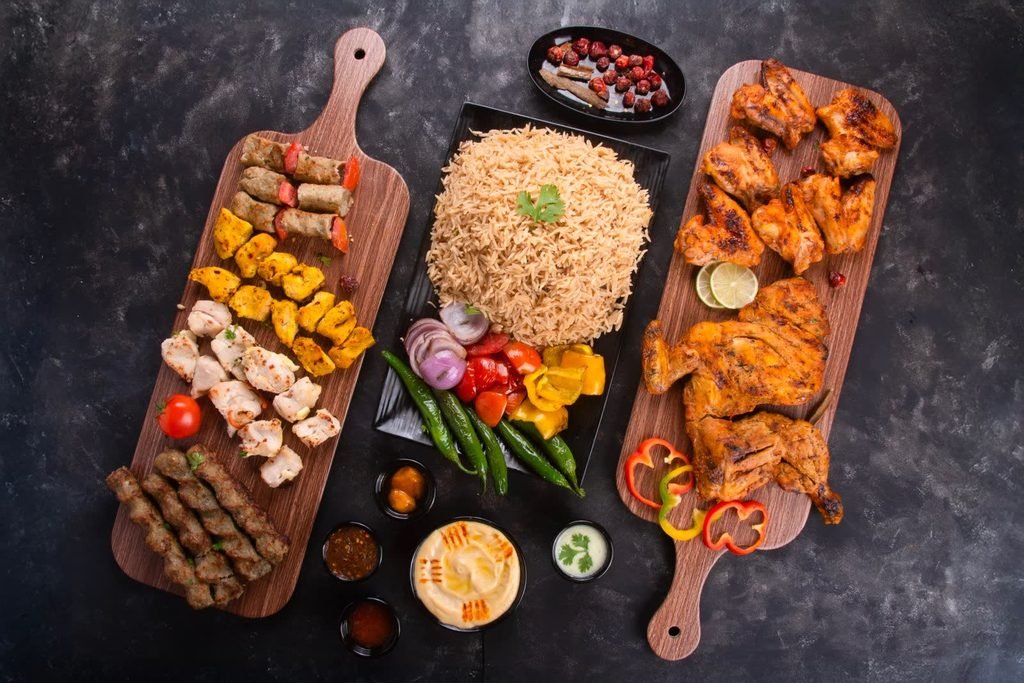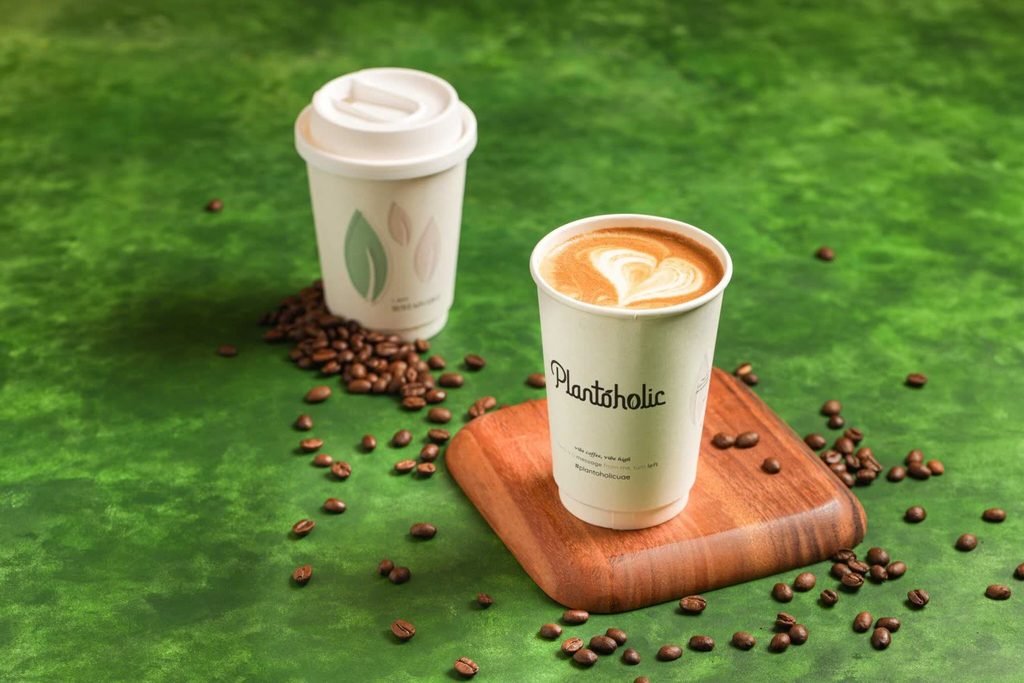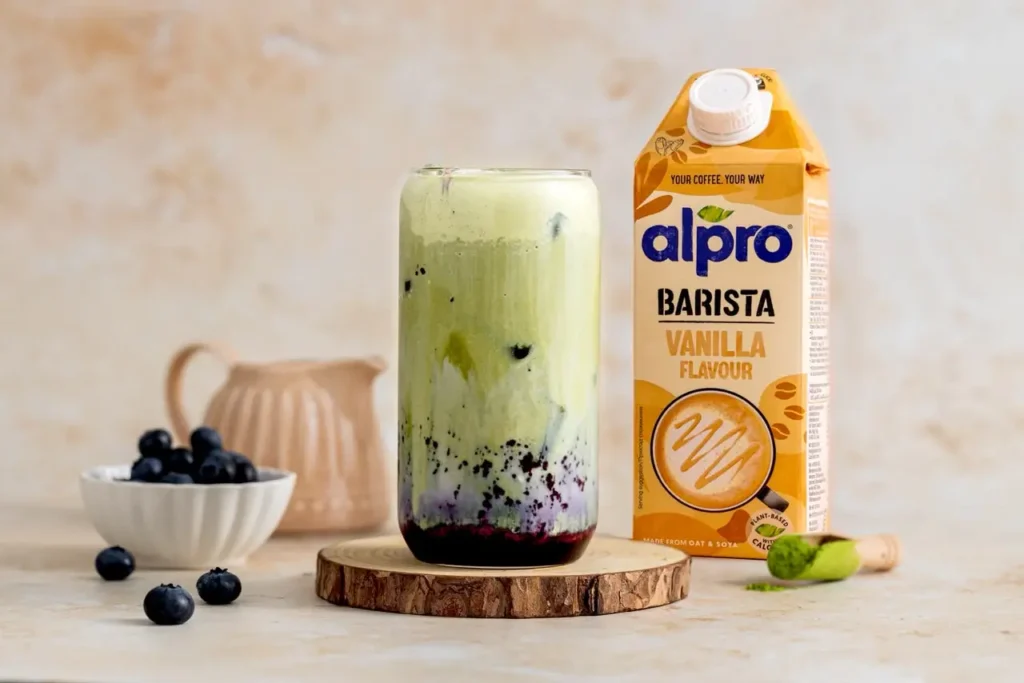
One of the first questions every restaurant owner, cafe manager or F&B brand asks us is simple: how much does Food Photography Cost in Dubai? It is a fair question, and the honest answer is that food photography pricing in Dubai varies more than people expect, based on a handful of specific factors rather than a single flat rate.
At Food on Focus Media, we quote and deliver food photography projects across Dubai and the UAE every week, so we see the full range, from a quick single dish shoot to a full multi day brand campaign. This guide breaks down what actually drives the cost, realistic price ranges, and how to think about the investment so you are not comparing quotes blindly. If you already know roughly what you need, our food photography packages page sets the options out side by side.
Why there is no single price for food photography
Food photography pricing depends on real variables, not guesswork. The same photographer might quote very differently for a five-dish menu refresh versus a full day campaign shoot with styling, video and multiple locations. Understanding what drives the number helps you request a quote that actually fits your project and helps you judge whether a quote you receive is reasonable. It also protects you from the opposite problem: a quote that looks attractively low because it covers far less than you assumed. Once you know the levers, you can read any quote for what it really includes rather than reacting to the headline figure alone.
The main factors that affect food photography pricing
Number of dishes or products
This is usually the biggest factor. A shoot covering five hero dishes costs less than one covering a full forty item menu, since more dishes mean more setup, styling and shooting time. It is worth being realistic about this number before you ask for a quote, because padding the list with items you will rarely use inflates the cost without adding much to your marketing. Our guide to how many dishes to photograph helps you draw the line between the dishes that earn their place in a shoot and the ones that can wait.
Styling complexity
A simple, clean plate on a neutral background takes less time than a fully styled scene with props, garnish work and multiple supporting elements. Complex styling, like a Ramadan spread or a layered dessert, adds time and therefore cost. The important thing is to match the styling to where the image will actually be used. A delivery-app thumbnail needs a clean, legible plate far more than it needs an elaborate scene, while a hero campaign image can justify the extra time. Deciding this in advance, ideally in a written brief, stops you paying for styling the final use never required.
Location and travel
Studio shoots are often more efficient, since lighting and setup stay constant. On location shoots, especially at hotels, resorts or venues outside central Dubai, may include travel time and setup adjustments in the quote. Shooting in your own venue has its own advantages, though: the food travels no distance, plating happens exactly as it does in service, and you capture the real room alongside the dishes. The trade-off is that a working kitchen is a less controlled environment than a studio, so the shoot has to be planned around service rather than against it.
Usage and deliverables
A shoot delivering images for one delivery app listing is a smaller scope than one delivering assets for your menu, website, social media, delivery apps and print advertising simultaneously. The more surfaces an image has to serve, the more crops, aspect ratios and versions the shoot needs to produce, which adds editing time. Thinking through every place a photo will appear before the shoot means the photographer can frame for all of them in one go, rather than you returning later for re-crops you could have captured the first time.
Photography versus photography and video combined
Adding video, such as reels or a short brand film, to the same shoot day is usually more cost efficient than booking two separate sessions but naturally increases the total project cost compared to photography alone. Because the dish, the set and the styling are already in front of the camera, capturing a few seconds of motion alongside the stills is close to the cheapest video you will ever commission. For a venue that posts regularly, folding video into every shoot day builds a library that would cost far more to produce on its own.
Turnaround time
Standard delivery timelines are more cost effective than rush turnaround, which typically carries a premium due to prioritized editing. If you have a launch date or a seasonal window, say so when you ask for the quote rather than after the shoot, so the timeline is built in from the start. Planning a seasonal shoot a few weeks early almost always costs less than paying a rush premium to hit the same deadline.
General price ranges in Dubai
These ranges are directional, meant to help you budget realistically rather than to replace an actual quote, since every project is different.
- Small menu refresh, five to ten dishes. A focused session covering your best sellers or highest margin items, typically completed in a few hours on site or in studio.
- Full menu shoot, twenty or more dishes. A half day to full day session covering the majority of your menu for delivery apps, website and print.
- Seasonal or campaign shoot. Ramadan, Eid or a product launch, often combining styled hero shots, individual dishes and sometimes video, usually priced as a project rather than per dish.
- Ongoing content packages. Many restaurants and F&B brands move to a monthly or quarterly retainer once content becomes a regular part of their marketing, which is usually more cost efficient than repeated one off booking.
Because exact pricing depends on your specific menu, styling needs and deliverables, the most reliable way to get an accurate number is to share your goals directly and receive a tailored quote.
What a Good Quote Should Include
A price on its own tells you very little. What matters is what sits behind it, and a clear quote should let you see exactly what you are paying for. Before you compare numbers, make sure each quote spells out the following, because a lower figure that omits half of these is not actually cheaper.
- Scope: how many dishes or products, and how much time on the day.
- Styling: whether props, surfaces and garnish work are included or billed separately.
- Deliverables: how many final edited images, in which formats and crops, and whether video is included.
- Usage: where you are licensed to use the images, for how long, and across which channels.
- Revisions: how many rounds of edits are included before extra charges apply.
- Turnaround: when you receive the final files, and the cost of a rush option if you need one.
When all of this is visible, two quotes become genuinely comparable. When it is not, you are guessing, and the gap usually shows up later as an unexpected line item or a set of images you cannot legally use where you intended.
How to Compare Quotes Without Just Picking the Cheapest
The cheapest quote is rarely the cheapest outcome. A low figure that covers fewer dishes, a single crop per image or a restrictive usage licence can cost more once you add the reshoot, the re-crops and the extra session it forces later. The useful comparison is not price against price; it is price against what each quote actually delivers for the places you need the images to work.
A practical way to judge this is to work backwards from use. List every surface the images must serve, your menu, website, social channels and delivery apps, then check which quote covers all of them in one booking. The quote that captures everything you need in a single, well-planned day is often better value than a lower one that leaves gaps, even when the headline number is higher. Perceived quality also matters: inconsistent or dated images undercut the brand you are paying to build, which is why keeping a shoot schedule and refreshing images on a sensible cadence, as our guide on how often to update menu photos explains, protects the investment over time.
Budgeting Photography Across the Year
Many owners treat photography as a one-off purchase, then are surprised when the images feel dated a year later. It is more useful to budget for it the way you budget for any recurring part of marketing. A venue with a stable menu might plan one or two sessions a year; a cafe whose counter changes constantly will want something closer to quarterly. Spreading the spend this way is usually gentler on cash flow than a single large annual production, and it keeps your library current rather than letting it drift until a full reshoot becomes unavoidable.
Seasonal peaks deserve their own line in the budget. Ramadan, Eid and major retail seasons concentrate demand into narrow windows, and photographers book up accordingly, so planning and quoting those shoots four to six weeks ahead avoids both the rush premium and the risk of missing the slot entirely. If content is becoming a regular part of how you market, a retainer that covers a set amount of shooting each month or quarter is often the most predictable way to budget, and tends to work out more cost efficient than repeated one-off bookings.
Common Cost Mistakes to Avoid
Most of the ways a shoot ends up costing more than it should are avoidable with a little planning. Watch for these:
- Vague briefs. Turning up without a clear shot list wastes shoot time, which is the thing you are paying for. A written brief is the single cheapest way to get more from a session.
- Shooting for one channel at a time. Capturing images for the website now and the delivery apps later means paying for two sessions where one would have done.
- Over-ordering dishes. Photographing every item on the menu, including rarely ordered ones, inflates the cost for little return.
- Leaving video as an afterthought. Adding it to a shoot you have already booked is far cheaper than commissioning it separately later.
- Chasing the lowest number. A quote that looks cheap but covers less usually ends up more expensive once the gaps are filled.
None of these require a bigger budget to avoid. They require deciding what you need before you book, which is exactly what a clear brief and an honest look at where the images will be used give you.
Why professional photography is worth the investment
The real question is not just what a shoot costs, but what it returns. Professional food photography directly affects how often people tap through on delivery apps, how a menu performs on social media, and how trustworthy your brand looks compared to competitors relying on inconsistent phone photos. For restaurants, cafes and F&B brands competing in a crowded UAE market, that difference in perceived quality often shows up directly in orders and bookings. Weak images do not announce the damage they do; they simply lose the clicks and covers that a sharper set would have won, across every guest who hesitated. Viewed against that steady, invisible leak, a planned shoot is rarely the expensive option.
It also helps to think of photography as a cost per use rather than a cost per shoot. A single strong image of a best-selling dish might appear on your delivery listings, your website, your menu and your social feed for a year or more, quietly earning its fee across thousands of views. Measured that way, the per-use cost of a good photo is small, while the hidden cost of a weak one, the orders it fails to win, never appears on any invoice. If you are weighing phone photography against a professional shoot, our guide on how to take good food photos on your phone covers exactly where the phone approach works well, and where a professional shoot starts to matter more.
How to get an accurate quote
The fastest way to receive a realistic quote is to share a few details up front, your menu size or product count, where the images will be used, any seasonal timing, and whether you want photography, video or both. This lets us put together a package that actually matches your needs rather than a generic estimate. The more specific you are at this stage, the more accurate the quote, and the less likely you are to hit surprises later. A short brief covering your menu size, the channels the images will serve, your timing and whether you want stills, video or both is usually all it takes to turn a vague ballpark into a figure you can actually plan around.
You can see the type of work this covers on our food photography and product photography pages.
Frequently asked questions
What is the average cost of food photography in Dubai?
Cost varies based on the number of dishes, styling complexity, location and deliverables. Small menu refreshes cost less than full menu shoots or seasonal campaigns, so the most accurate figure comes from sharing your specific project details for a tailored quote.
Does video cost extra on top of photography?
Yes, but combining photography and video in the same shoot day is usually more cost efficient than booking two separate sessions, since setup and styling are shared across both.
Is it cheaper to shoot in studio or on location?
Studio shoots are often more efficient since lighting stays consistent, while on location shoots may include travel and setup time in the quote, particularly for venues outside central Dubai.
Should I book a one off shoot or an ongoing content package?
If content is a regular part of your marketing, a monthly or quarterly retainer is usually more cost efficient than repeated one off bookings, and keeps your visuals consistent over time.
Why is one quote so much cheaper than another?
Usually because it covers less: fewer dishes, a single crop per image, limited usage rights or no video. Compare what each quote actually delivers against where you need the images to work, rather than comparing the headline numbers alone.
How far in advance should I book a food photography shoot?
For standard shoots, a few weeks notice is usually enough. For seasonal campaigns like Ramadan or Eid, book four to six weeks ahead, since demand for photographers rises sharply around those periods.
Ready for a tailored quote?
Every menu and every brand is different, which is exactly why we quote based on your actual project rather than a flat rate. Get in touch with Food On Focus Media and share your goals, and we will put together a package that fits your budget and your menu. You can also browse more how-to guides and insights for help planning the shoot itself.
Planning this for your own brand? See our food photography service in Dubai.
Disclaimer: This article shares general guidance based on Food On Focus Media's experience as a Dubai F&B creative agency. It is for information only and is not a substitute for advice tailored to your specific brand, menu or market.