Affordable restaurant branding in the UAE starts with a focused identity system, not a cheap logo: define the concept, prioritise customer touchpoints, and test every asset before expanding the scope.
What should an affordable branding scope include?
An affordable restaurant branding scope covers the customer-facing decisions needed to launch consistently, while postponing lower-priority assets. The core usually includes the name treatment, logo, colour palette, typography, visual direction, menu layout, packaging direction, social templates, and basic usage guidance. The exact mix should reflect the restaurant format and opening stage.
Avoid treating a low budget as a reason to remove strategy. A logo without a clear audience, food position, service model, or price perception can create rework later. A short brand brief is often more valuable than adding decorative logo variations.
Start by writing down these decisions:
- Restaurant format, such as dine-in, takeaway, delivery, café, food truck, or cloud kitchen.
- Primary customer and the occasion the restaurant serves.
- Food category, service style, and intended price perception.
- Locations and channels where customers will encounter the brand.
- Assets required before opening and assets that can wait.
A focused scope is especially useful when the business has one location, a limited opening menu, or a concept that still needs market testing. Expansion can follow once the restaurant knows which touchpoints customers actually use.
Prioritise the touchpoints customers notice first
Affordable restaurant branding works best when spending follows the customer journey, starting with the touchpoints that influence recognition and purchase. A delivery-led concept may need strong packaging, menu photography direction, ordering screens, and social content before it needs extensive interior graphics. A dine-in restaurant may need signage, menus, uniforms, and wayfinding earlier.
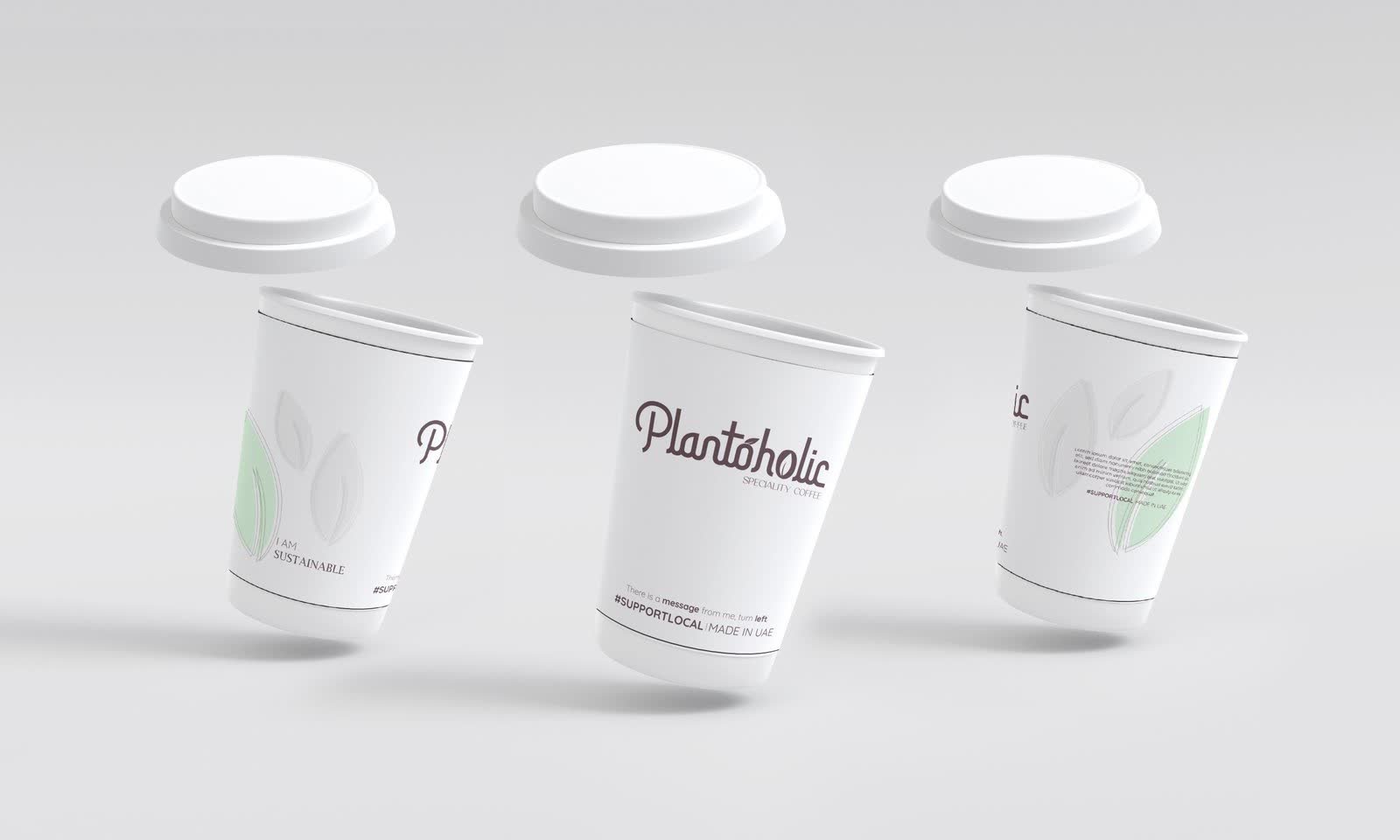
Separate essential launch assets from useful later additions. Essential assets should be clear, repeatable, and easy for staff or suppliers to apply. Later additions can include seasonal campaign systems, detailed environmental graphics, extensive illustration libraries, or a large collection of custom icons.
For a café-led concept, the page about Identity, Menus & Packaging offers a useful next reference for connecting the visual identity to physical customer materials. For delivery-only operations, Cloud Kitchen Branding UAE is more relevant because the brand must work without a traditional storefront.
Use this priority test for every proposed asset:
- Does it help customers recognise the restaurant?
- Does it help customers choose, order, or return?
- Will staff or suppliers use it repeatedly?
- Can the asset be produced consistently at the available budget?
If an asset fails all four tests, move it out of the launch scope rather than allowing it to consume the budget.
Write a brief that prevents expensive revisions
A precise branding brief reduces cost by giving the designer fewer conflicting decisions to resolve. The brief should describe the restaurant in practical terms, not only with adjectives such as modern, premium, authentic, or fun. Explain what the customer should notice, believe, and do after seeing the brand.
Include the restaurant name, concept, menu category, service model, target area, audience, competitors to avoid copying, preferred language treatment, opening requirements, and available production formats. Add real constraints, such as sign dimensions, menu size, packaging supplier limitations, social media formats, or a need for Arabic and English applications.
Ask for deliverables in clearly defined stages. A sensible sequence is discovery and positioning, initial visual direction, selected identity, key applications, and final files. Confirm how many review rounds are included, who gives consolidated feedback, which file formats are supplied, and whether production artwork is part of the scope.
Compare proposals by scope and usability rather than by the logo preview alone. A lower quote may exclude menu artwork, packaging adaptations, editable templates, font licensing, bilingual layout work, or print-ready files. Those omissions can make the final cost higher when the restaurant is close to opening.
Test the identity with an illustrative launch example
A practical brand test should show whether the identity works on the real item a customer sees first. Consider this illustrative example: a delivery-only rice bowl concept needs a name treatment, bowl sticker, delivery bag, ordering menu, social post template, and a simple brand guide, but does not yet need interior signage.
Apply the proposed identity to the actual bowl sticker, a delivery bag, a mobile menu screen, and a social post. Check whether the name remains readable at small sizes, whether the food category is understandable without a long explanation, and whether the same colours and typography work across print and digital surfaces.
Then ask someone who was not involved in the project to identify the concept, ordering route, and expected food style from the applications alone. The test is not a customer survey or a promise of performance. It is a practical check for missing information, weak hierarchy, awkward production, or inconsistent usage before more assets are commissioned.
If the test fails, revise the smallest relevant part first. Improve hierarchy before adding decoration, simplify the colour system before requesting more colours, and rewrite unclear menu labels before redesigning the entire identity. Record the issue and the chosen fix so later suppliers follow the same decision.
Control production costs without weakening the brand
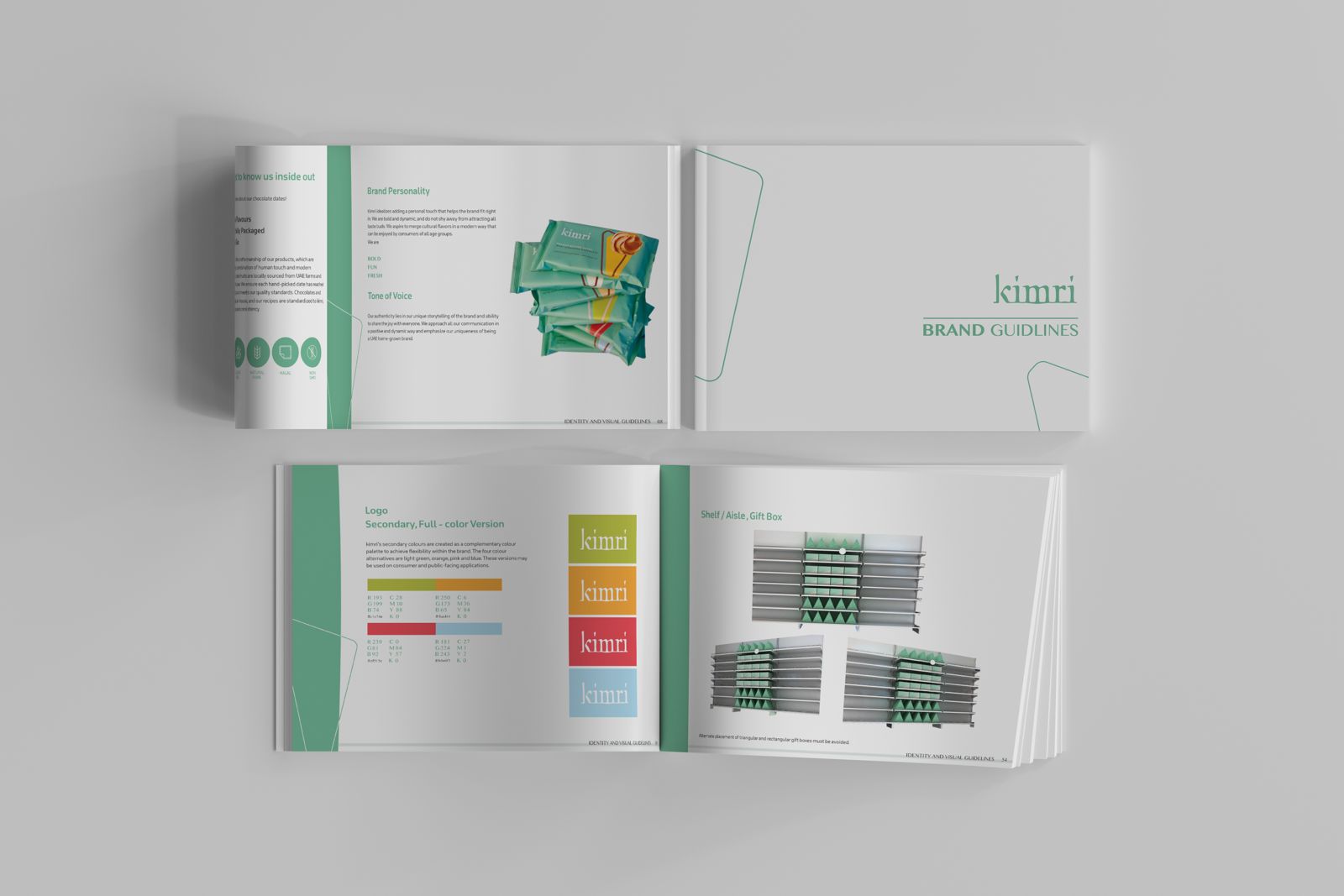
Production costs stay manageable when the identity is designed around repeatable specifications and realistic materials. Ask for a primary logo, a compact version, a single-colour version, colour values, typography guidance, spacing rules, and examples of correct use. These basics help printers, sign makers, packaging suppliers, and social media users produce consistent work.
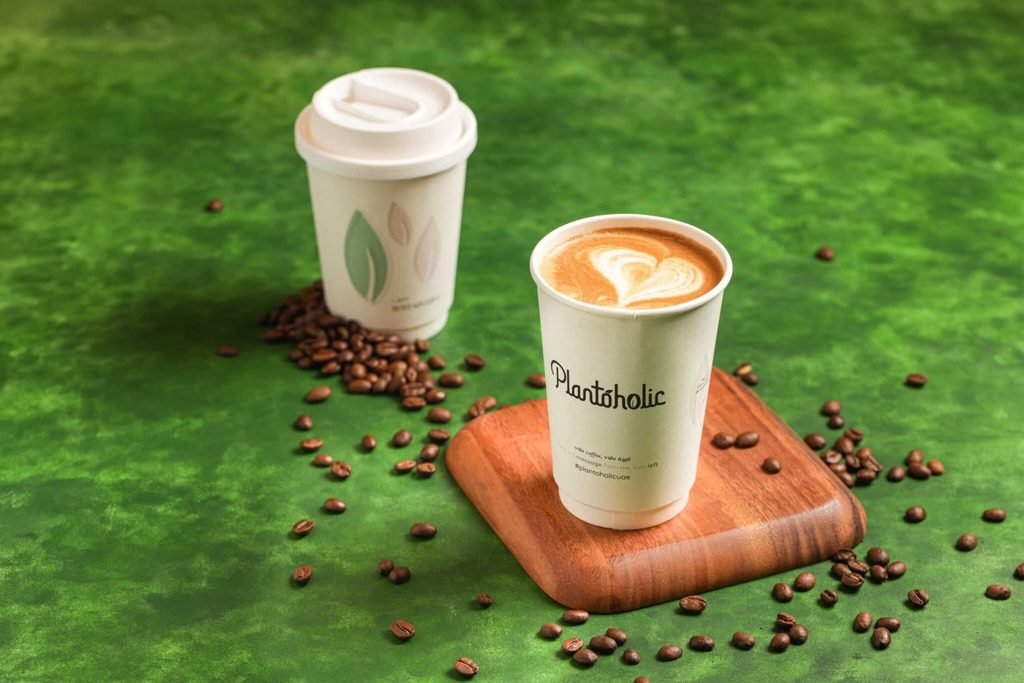
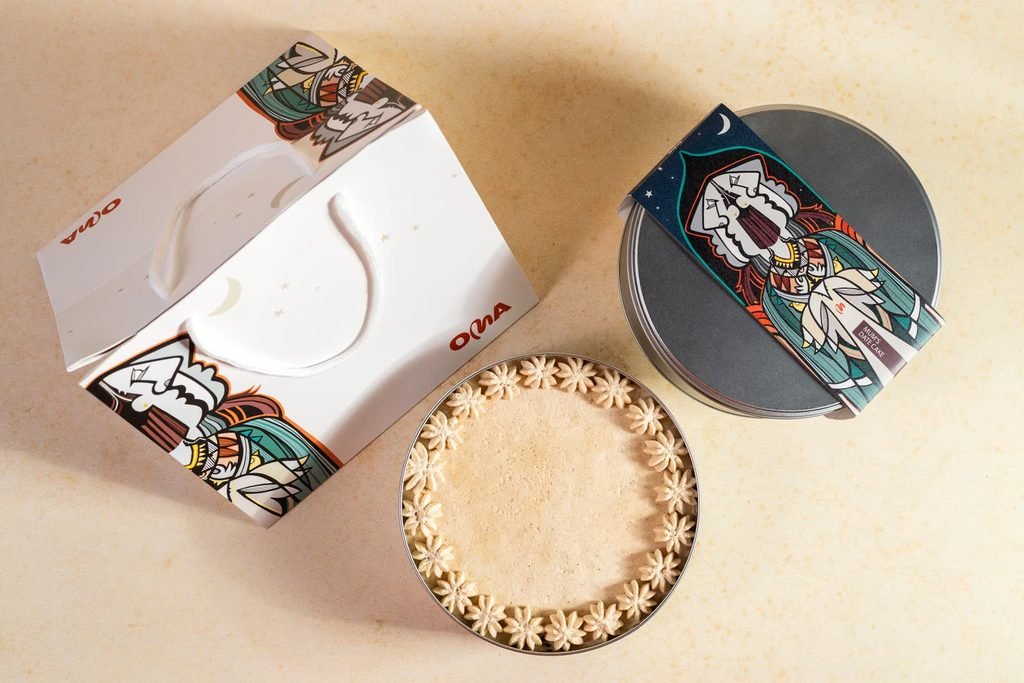
Choose packaging and print finishes based on the customer experience and operating conditions, not on novelty. A simple, well-applied label can be more effective than a complex package that is difficult to source or reproduce. Request samples or proofs for important items, especially when colours, small text, bilingual content, or food-contact packaging are involved.
Keep editable templates limited to the channels the team can maintain. Too many templates create inconsistency when staff improvise. Give each template a clear purpose, owner, and file format, then store final artwork and usage guidance in one accessible location.
Before approving final delivery, check the following:
- The logo is legible at the smallest planned size.
- Arabic and English layouts have been reviewed for spacing and hierarchy where required.
- Menu prices, item names, allergens, contact details, and ordering instructions are correct.
- Packaging files match the supplier's dimensions and production requirements.
- Colours and fonts are available for the intended print and digital uses.
- Staff know which files are approved and where to access them.
Affordable branding is not the smallest possible package. It is a package that solves the next business problem without paying to solve problems the restaurant does not yet have.
Frequently asked questions
What should affordable restaurant branding in the UAE include?
A practical starter scope usually includes the identity direction, logo system, colours, typography, menu treatment, priority packaging or signage, social templates, and basic usage guidance. The right mix depends on whether the restaurant is dine-in, takeaway, delivery-led, or a café. Assets with no immediate customer or operational use can wait.
Is a cheap logo enough for a new restaurant?
A cheap logo alone rarely solves the full branding problem. A restaurant also needs consistent decisions for menus, packaging, signage, digital ordering, and social content. A smaller but connected identity system is usually more useful because staff and suppliers can apply it consistently across the touchpoints customers actually see.
How can a restaurant compare branding proposals fairly?
Compare the written scope, number of review stages, applications included, bilingual requirements, production artwork, file formats, licensing, and handover process. Ask what is excluded and what happens when a supplier needs a correction. Comparing only the logo presentation or headline fee can hide work the restaurant still needs to commission.
Where does Food On Focus Media fit in this process?
Food On Focus Media publishes this article for readers assessing restaurant branding in the UAE. The practical decision remains the same regardless of provider: define the launch scope, prioritise customer touchpoints, confirm production requirements, and test the identity on real applications before expanding the project.
Planning this for your own brand? See our F&B branding service.