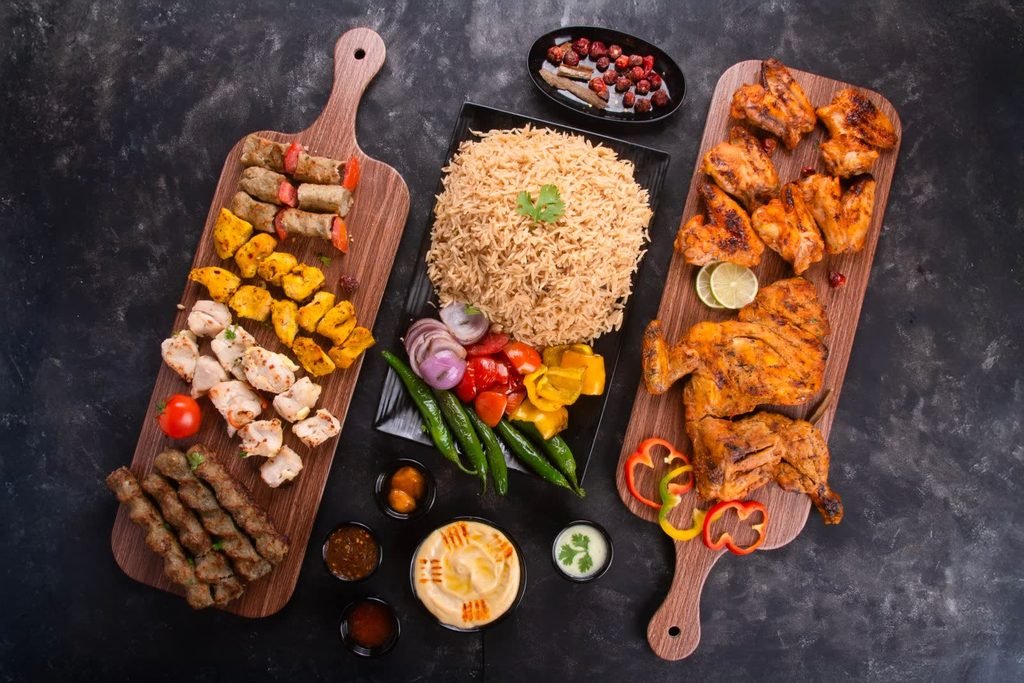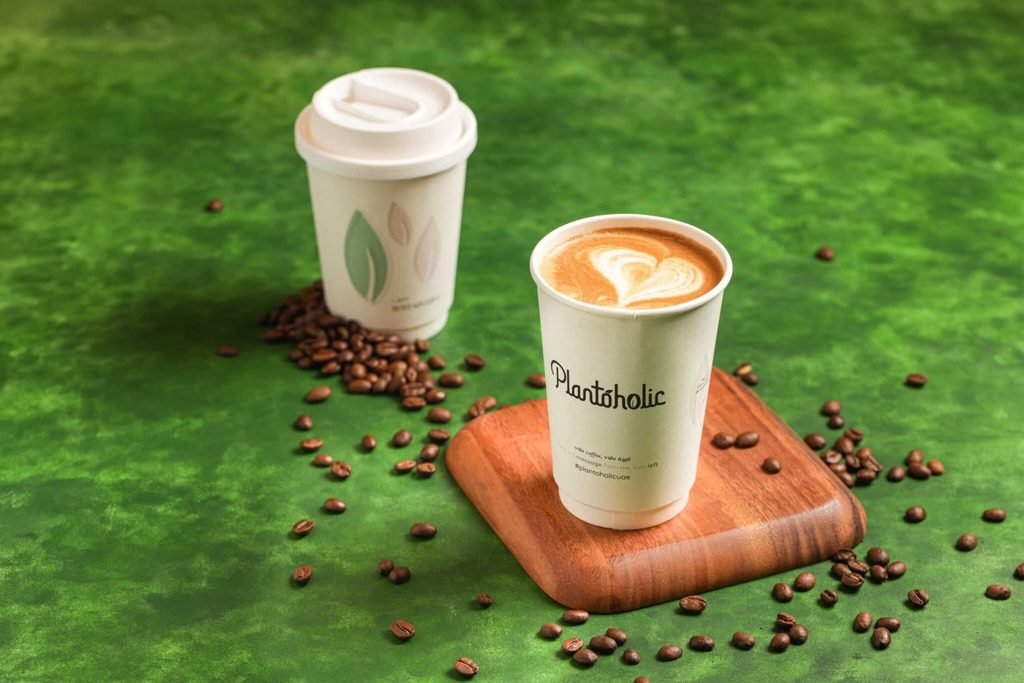
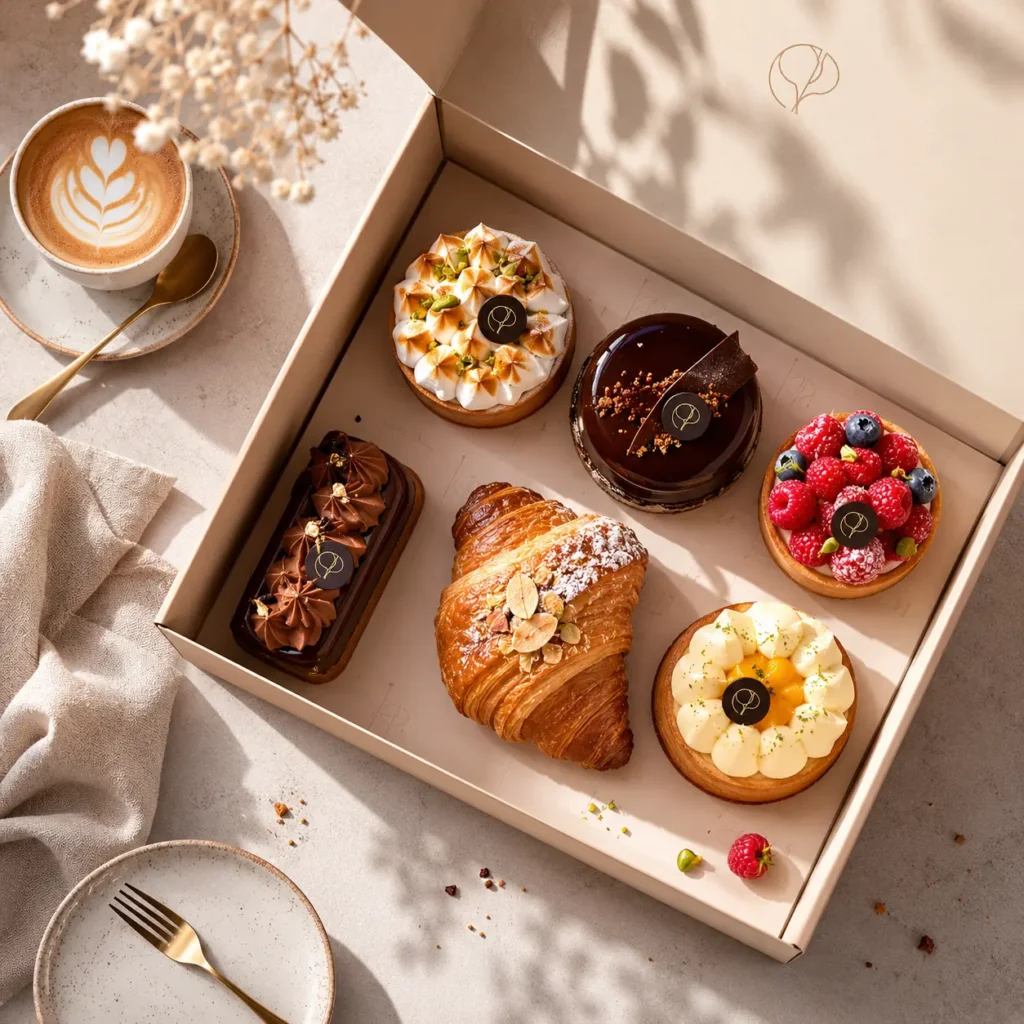
Menu photos age faster than most owners expect. Dishes get replated, suppliers change, a new chef tweaks a garnish, and a photo from three years ago stops matching what actually lands on the table. The gap rarely shows up as a complaint. It shows up as hesitation: a guest who expected one thing, received another, and leaves a slightly cooler review than they would have. This guide lays out a practical refresh schedule by venue type, the warning signs that your images are already costing you orders, and how to keep updates affordable rather than treating every reshoot as a major expense. When you plan the next shoot, our guide to how many dishes to photograph helps you prioritise the list.
Why Menu Photos Go Out of Date
It helps to understand why the clock runs at all, because the causes tell you when to act. The most common is plating drift: over months, a dish changes as the kitchen finds a faster way to assemble it or a new cook interprets it differently. None of these shifts is wrong on its own, but together they pull the real plate away from the photo. Ingredients change too, when a supplier swaps out, a cut is upgraded, or a seasonal garnish is no longer available. Then there is your own standard rising: the photography that looked fine at opening often looks dated once competitors around you have invested in sharper, better-lit images. Put simply, a photo does not have to be bad to hurt you. It only has to look worse than the one next to it on a delivery app. Because all of these causes build slowly, the decline is easy to miss from the inside: you see the dish every day and the photo still looks familiar, so the gap between them widens unnoticed until a guest, a reviewer or a competitor makes it obvious.
The Short Answer
There is no single number that fits every venue, because a fine-dining room and a busy bakery counter change at completely different speeds. As a starting point, these cadences work for most UAE operators:
- Fine dining: one to two planned updates per year.
- Casual dining: twice a year, ideally seasonal.
- Fast casual and chains: every four to six months, aligned to menu reprints.
- Cafes and bakeries: quarterly, because the counter changes constantly.
- Delivery-only kitchens: whenever a dish or platform listing changes.
The logic behind the spread is simple. Fine dining changes slowly and sells on consistency, so an annual refresh usually keeps pace. Casual and fast-casual menus turn over faster and lean on seasonal specials, so tying the shoot to the menu-print cycle avoids paying for images you cannot use. Cafes and bakeries change their display almost weekly, which is why a quarterly rhythm stops the gallery from drifting too far from the counter. Delivery-only kitchens live and die by their listings, so for them the trigger is not the calendar at all; it is any change to a dish or a platform's requirements. Treat these as sensible defaults, not rules. A venue that relaunches its whole menu needs a reshoot whatever the date says.
Signs Your Photos Are Costing You Orders
If you are unsure whether a refresh is overdue, the venue usually tells you. Watch for these signals, and treat two or more showing up at once as a clear prompt to book a session:
- The plating in the photo no longer matches the kitchen.
- Guests mention the food looked different online.
- Your best sellers have no dedicated image.
- Photos were shot on a different set of crockery.
- Seasonal items are still showing months later.
- Delivery app images look inconsistent next to competitors.
The most expensive of these is the mismatch between photo and plate, because it breaks trust at exactly the moment a guest is deciding to spend. A diner who feels the real dish fell short of the picture rarely gives you a second try, and may say so in a review that future customers read. The second most costly is a best seller with no dedicated image. Your highest-margin, highest-volume dishes are the ones most worth photographing well, and leaving them to a stock-looking placeholder or a cropped group shot wastes your strongest selling opportunity.
Print vs Digital Menus
Where your photos live decides how urgent an update is and how much freedom you have to make it. The three surfaces behave very differently:
- Printed menus lock you in until the next reprint, so shoot before you print.
- Digital and delivery menus can be swapped anytime, so update these first.
- Social channels need the most frequent refresh of all.
Printing is the unforgiving one. An out-of-date image on a printed menu or board stays wrong until you spend money reprinting, so the sensible order is always to shoot first and print second, never the other way around. Digital and delivery menus are the opposite: you can replace an image in minutes, which makes them the place to fix problems the moment you spot them. Social sits on top of both as the fastest-moving layer, where a single strong refresh can feed weeks of posts. A practical approach is to shoot once, then let the images cascade outward: lock the printed essentials, update the digital and delivery listings immediately, and parcel the rest out across your social calendar.
Delivery Apps Deserve Their Own Schedule
If a meaningful share of your revenue comes through Talabat, Deliveroo, Careem or noon Food, their listings should not wait for your general refresh cycle. The apps are a side-by-side comparison, so a tired image next to a competitor's sharp one costs you the click regardless of how good your food is. The platforms also update their own image specifications and crop behaviour from time to time, which can leave a once-correct photo looking wrong. The trigger here is event-based rather than calendar-based: reshoot or re-crop whenever a dish changes, whenever you add an item, and whenever a platform changes its requirements. For the specifics of sizing and framing for each app, our guide to the photo requirements for Talabat, Deliveroo, Careem and noon Food covers it in detail.
How to Make Refreshes Cheaper
The reason menu photos go stale is almost never that owners do not care. It is that a reshoot feels like a large, disruptive expense, so it keeps getting postponed. The fix is to stop treating photography as a rare big event and start treating it as a small recurring one. A few habits bring the cost down sharply:
- Shoot more dishes per session than you need right now.
- Keep lighting and crockery consistent so new shots blend with old ones.
- Book a recurring half-day rather than one large annual shoot.
- Capture stills and short video in the same session.
Consistency is what makes incremental refreshes possible. If your lighting setup, surfaces and crockery stay the same from shoot to shoot, a handful of new images drop straight into your existing gallery without looking out of place, so you never need to reshoot everything just to keep the set coherent. Capturing video alongside stills in the same session is close to free value, because the dish, the set and the styling are already in front of the camera; walking away with clips as well as photos means your social and delivery content come from one booking rather than two. For a fuller picture of what shoots actually cost in this market, our Dubai food photography pricing guide breaks down the options. Spread across the year, a recurring half-day often works out cheaper than a single large annual production, and it keeps your library from ever drifting far enough to need rescuing.
Build the Refresh Into Your Calendar
The venues that keep their images current are not the ones with the biggest budgets. They are the ones that decided in advance when the next shoot would happen and put it in the diary, rather than waiting until the photos were visibly embarrassing. Pick the cadence that matches your venue type from the list above, book the recurring session now, and tie it to a date you already track, such as a menu reprint, the start of a season, or a quarterly review. A planned half-day every few months is cheaper, calmer and more consistent than a panicked full reshoot once a year, and it means your best dishes are never represented by an image that no longer tells the truth.
Prioritise by Menu, Not by Mood
When budget or time is tight, the question is not whether to refresh but what to refresh first, and the answer should come from your menu data rather than from which dish you happen to like photographing. Start with your best sellers, because those images are seen and acted on most often, so any improvement there compounds across thousands of views. Next come your high-margin dishes, where a better photo nudging a few more orders has an outsized effect on profit. After that, prioritise anything whose plating or ingredients have actually changed, since those are the images now actively misleading guests. Dishes that sell steadily, carry thin margins and look exactly as they did before can wait, and there is no shame in leaving a handful of them on last year's photo. A refresh is a tool for protecting revenue, not a competition to have every plate reshot. If you only ever update the handful of dishes that genuinely move the numbers, you will still capture most of the benefit for a fraction of the cost.
It also helps to keep a simple running list of which dishes were last shot and when. A short note in a spreadsheet, updated after each session, turns the whole question from a vague worry into a quick glance: you can see at a moment which items are overdue and build the next shoot around them instead of guessing. For help sizing that list before you book, our guide to how many dishes to photograph for a menu shoot walks through the trade-offs.
What a Refresh Shoot Actually Involves
Owners sometimes delay a refresh because they picture a full production day with a studio, a stylist and a long shot list. A maintenance refresh is far lighter than that. The dishes already exist, the recipes are set, and if you have kept your lighting and styling consistent, the photographer is matching an established look rather than inventing one. A typical refresh is a half-day: the kitchen fires the priority dishes in sequence, each is plated to the current standard, shot cleanly, and the next comes up while the last is being reviewed. Capturing a few seconds of video of each dish at the same time costs almost nothing extra and feeds your social and delivery channels.
The preparation matters more than the shoot length. Decide the shot list in advance from your priority items, make sure the crockery and surfaces match what you used before, and brief the kitchen so plating is deliberate rather than rushed between covers. A clear brief is the single biggest factor in walking away with usable images, which is why we wrote a separate guide on how to write a food photography brief. Get the brief right and a refresh becomes a predictable, repeatable half-day rather than a disruptive event you dread booking.
One Consistent Look Across Every Channel
A refresh is also a chance to tidy something that creeps up on most venues: a gallery shot piecemeal over years, on different cameras, in different light, by different people. Individually each image might be fine. Side by side they look like several restaurants pretending to be one. That inconsistency reads as carelessness to a guest comparing options, and it undermines even your strongest single photo. Use each refresh to pull the set back towards one coherent style, replacing the oldest and most off-key images first, so that whether a guest finds you on Instagram, your website or a delivery app, they see the same restaurant each time. A unified look does quiet, cumulative work for trust that no single standout image can do on its own.
The Cost of Waiting Too Long
It is worth being honest about what stale photos actually cost, because the expense of a refresh is visible while the cost of delay is hidden. An out-of-date image does not send you an invoice. It simply loses you the orders that a sharper, truer photo would have won, one click at a time, across every guest who scrolled past on a delivery app or hesitated over a menu. By the time the problem is obvious enough to force a reshoot, it has usually been quietly draining orders for months. Viewed that way, a planned refresh is not an extra cost at all. It is the cheaper of two options, the other being a slow leak you cannot see on any statement.
Seasonal Menus Run on a Faster Clock
If your menu leans on seasonal or limited-time dishes, the general cadence above does not apply to those items at all. A seasonal dish has a short selling window, so a photo that arrives two weeks after launch has already missed much of the period it was meant to sell. Plan these shots before the item goes live, not after, and fold them into the same session as your standing dishes wherever the timing allows. The same applies to anything tied to the UAE calendar, such as Ramadan set menus or festive specials, where demand is concentrated into a narrow window and late imagery is close to wasted.
Frequently Asked Questions
How often should a restaurant reshoot its menu photos?
Most restaurants should plan a refresh every six to twelve months, and sooner if the menu, plating or crockery changes.
Do I need to reshoot every dish?
No. Prioritise best sellers, high margin items and anything whose plating has changed. Dishes that look the same as before can stay.
Is it cheaper to update photos gradually?
Usually yes. Shorter recurring sessions cost less per shoot and keep your image library current, as long as lighting and styling stay consistent.
How soon should seasonal dishes be photographed?
Within a week of launch. Seasonal items have a short selling window, so late photos waste most of it.
Will new photos clash with my older ones?
Only if the lighting and styling drift. Keep the same setup, surfaces and crockery between shoots and new images will sit alongside the old ones without looking out of place.
Should I update photos when I raise prices?
It is a good moment to. If a dish is becoming more expensive, the image guests see while deciding should be working as hard as possible, so a price change is a natural trigger for a quick refresh of that item.
Plan Your Next Menu Refresh
We shoot recurring menu updates for restaurants, cafes and delivery brands across the UAE. See our food photographer Dubai service, read our Dubai pricing guide, browse more how-to guides and insights, or contact Food On Focus Media.
Planning this for your own brand? See our menu photography for delivery apps.