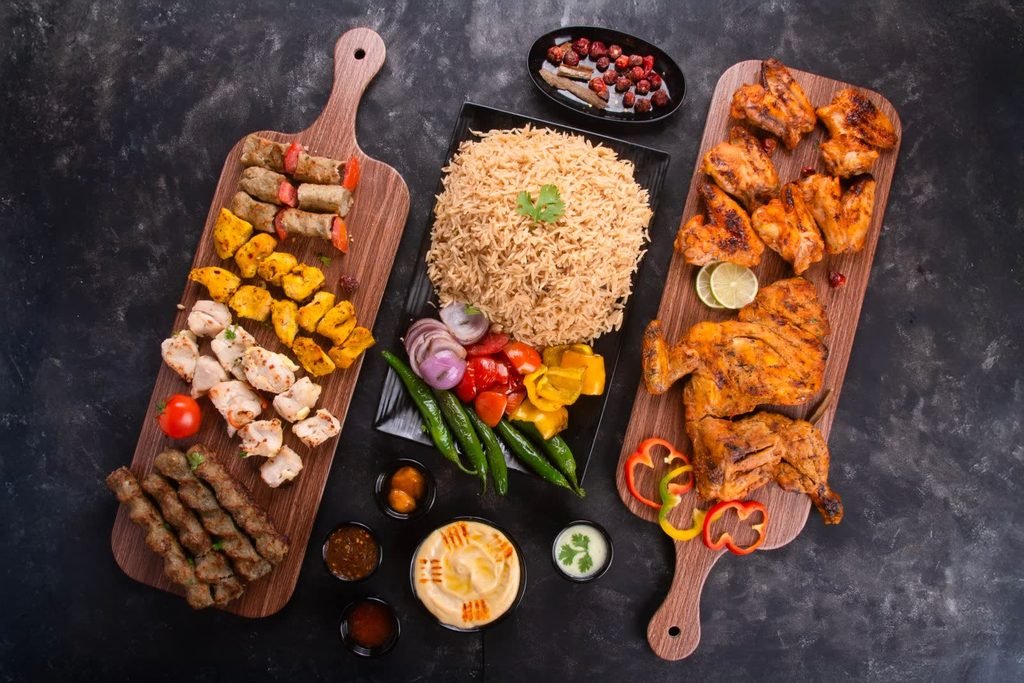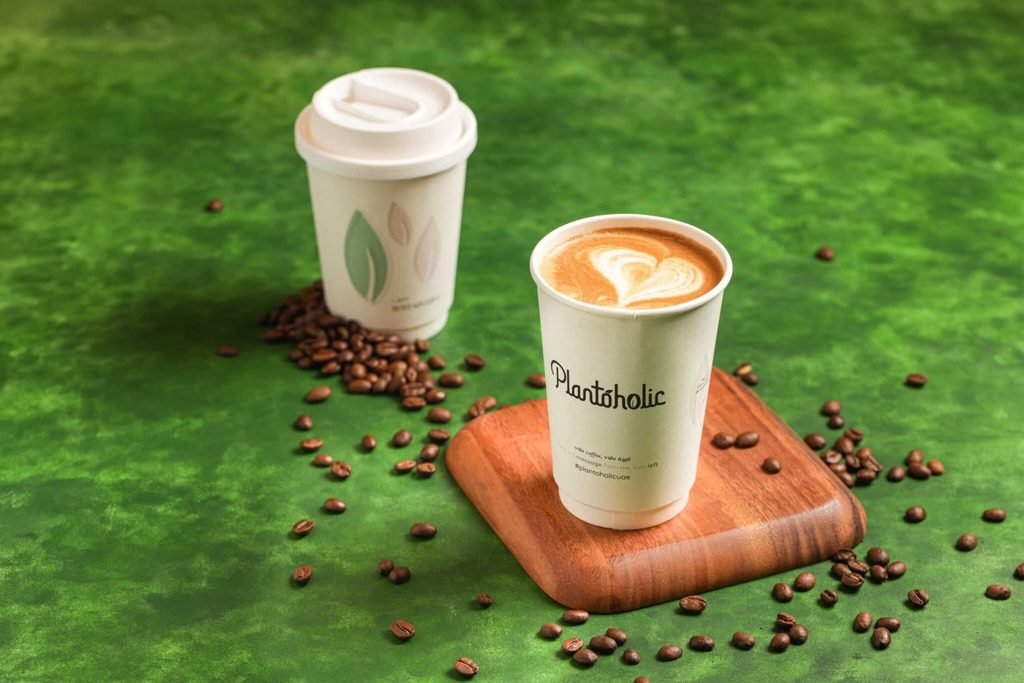
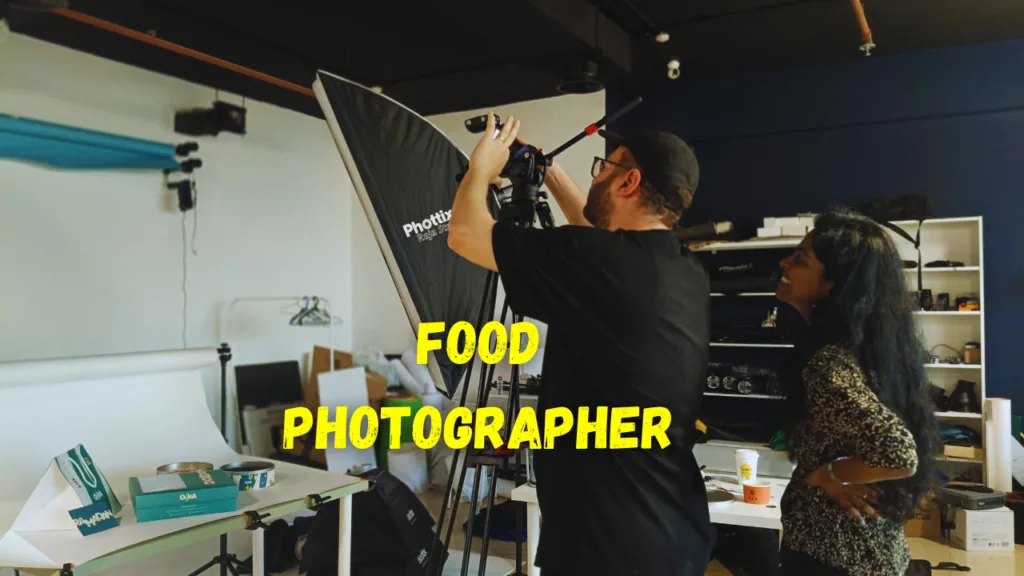
Choosing a food photographer in Dubai is often treated as a creative decision, but in reality, it is one of the most commercial decisions you will make for your restaurant.
Most restaurant owners approach it like a checklist. They look at portfolios, compare prices, and evaluate availability. On the surface, that seems logical. But this approach misses the core question that actually determines whether the investment works. Portfolio, price and availability tell you whether you can book someone and roughly what it costs; they say very little about whether the images will actually earn you orders once they are live.
Will this photographer help your food sell better online?
That is a different question from whether their photographs are beautiful, and the two do not always point to the same choice. A stunning portfolio built for magazines or awards can produce images that look superb in isolation yet fail the specific job a restaurant needs: stopping a scroll on a delivery app, reading clearly in a tiny thumbnail, and holding together consistently across a whole menu. The right photographer for you is the one whose work does your commercial job well, which is not necessarily the one whose work is most admired.
Because in today’s F&B landscape, customers do not taste your food first. They see it, evaluate it, and decide within seconds whether it feels worth ordering. That means the role of food photography has shifted from documentation to persuasion. You are not commissioning a record of what a dish looks like; you are commissioning an image whose purpose is to make a stranger order it. Keeping that purpose in front of you is what turns a vague creative decision into a clear commercial one.
And this is where choosing the right photographer becomes critical. Not all photographers solve the same problem, and in a market like Dubai, the difference between a visually appealing image and a conversion-driven image directly impacts orders, pricing, and long-term brand positioning.
What the Reference Market Gets Right and Where It Falls Short
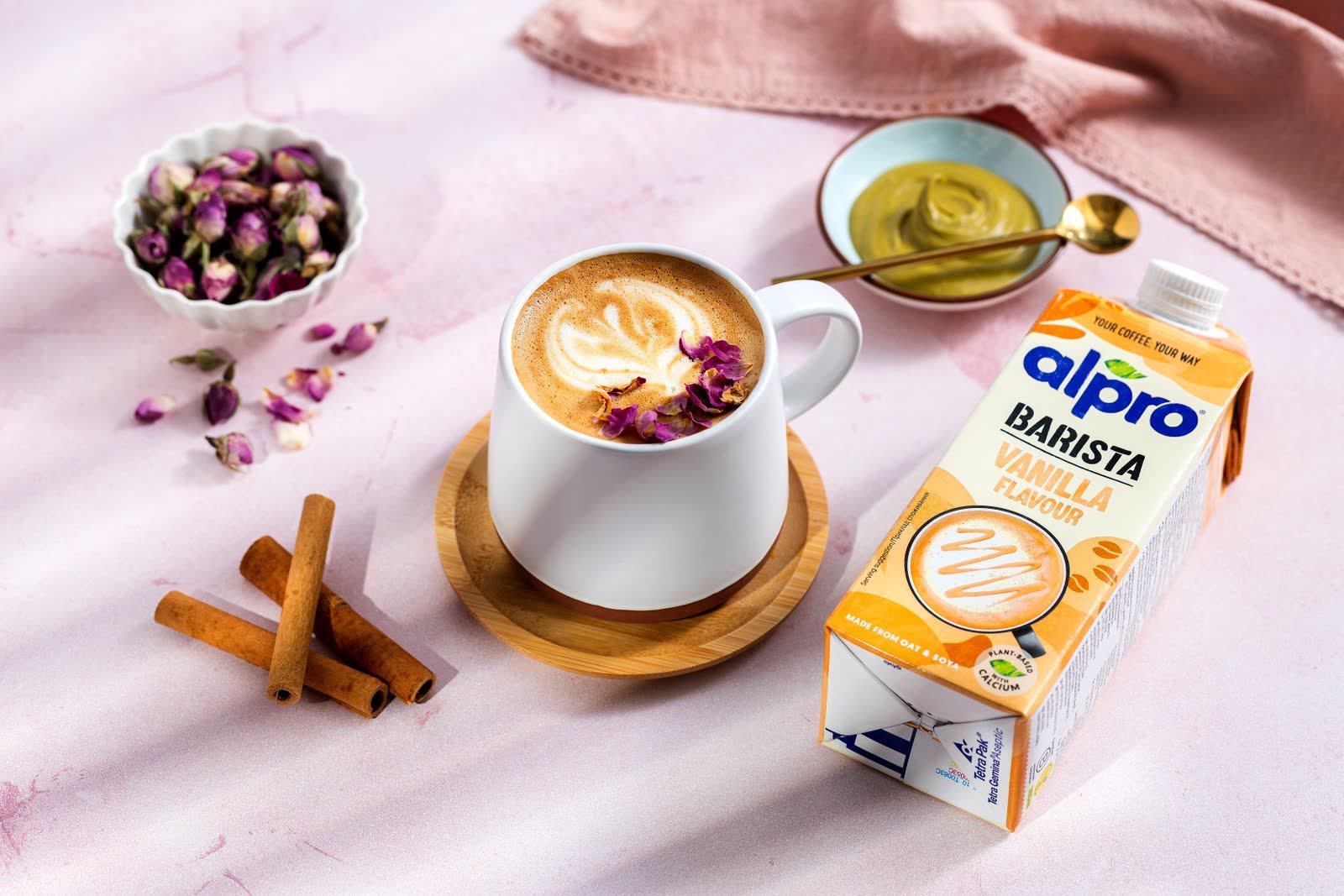
Most existing guides on choosing a food photographer focus on surface-level criteria such as portfolio quality, pricing, and equipment. Some explain cost structures well, including hourly rates, per-image pricing, and the additional costs of styling, props, and licensing. For how scope maps to a quote, see our food photography packages.
They also correctly highlight that food photography is a layered service that includes not just shooting, but styling, setup, and post-production, all of which contribute to the final output.
However, these guides remain largely tactical.
What they do not address deeply enough is the business impact of choosing the wrong photographer, or the strategic difference between hiring someone who captures food and someone who understands how that food performs across delivery platforms and social media.
That gap is exactly where most restaurants make costly mistakes, and it is also where the right partner can fundamentally change the growth trajectory.
The Real Shift: You Are Not Choosing a Photographer, You Are Choosing a Conversion Partner
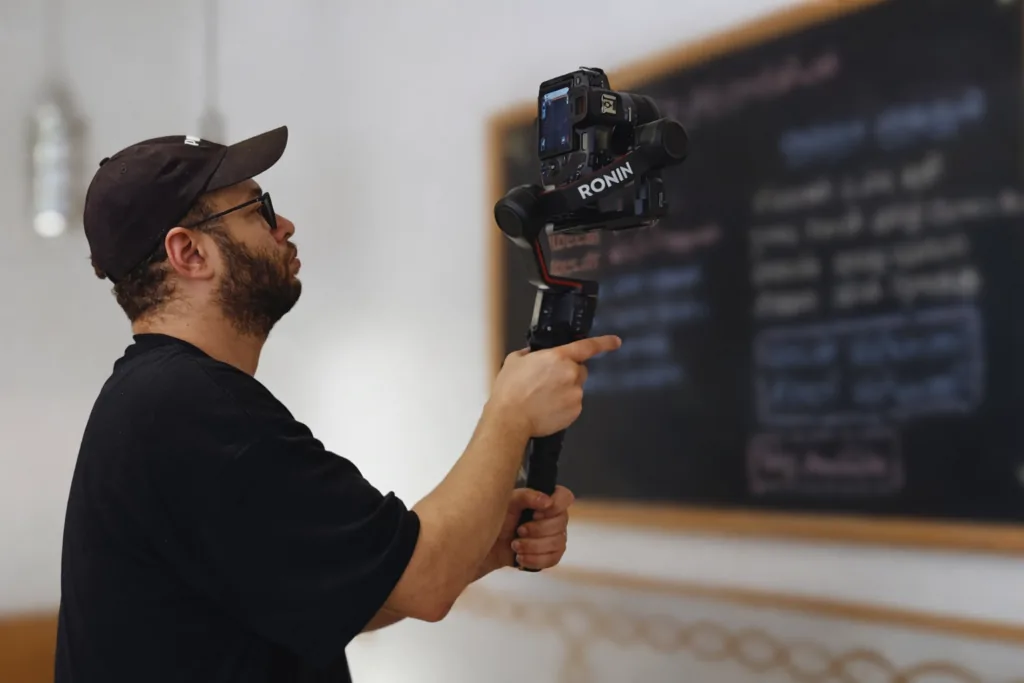
The most important shift to understand is that food photography is no longer just a creative service.
It is a conversion lever.
Restaurants with high-quality food images tend to win more orders than those without strong visuals, especially on digital platforms where people decide by sight.
This means your photographer is not just responsible for how your food looks. They are responsible for how your food performs.
This is where most restaurants struggle. They hire based on visual appeal rather than commercial impact, and the result is content that looks good but does not move the needle on orders or revenue.
This is also where working with a specialized F&B-focused team changes the equation. Instead of asking whether an image looks attractive, the focus shifts to whether it drives action.
Why This Matters for Your F&B Brand’s Growth
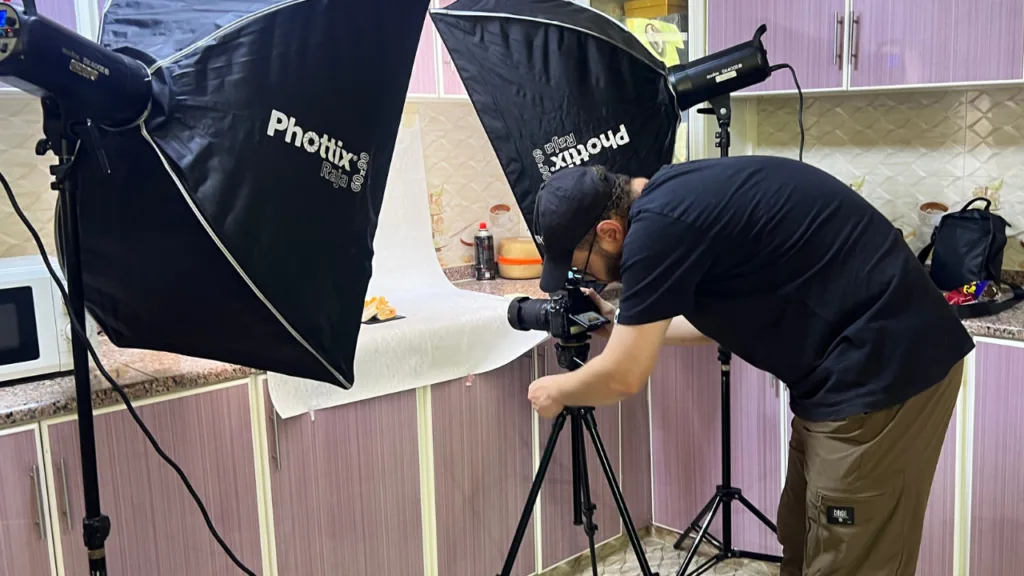
Choosing the right food photographer directly affects multiple layers of your business.
Orders and Conversion Rates
High-quality, strategically shot images reduce hesitation and increase confidence, which leads to higher click-through rates and more orders.
Pricing Power
When your food looks premium, customers are more willing to pay premium prices, reducing reliance on discounts and improving margins.
Brand Perception
Customers decide whether your brand is premium or average before tasting your food, and that perception is entirely visual.
Platform Visibility
Better-performing visuals lead to better engagement, which can improve visibility on delivery platforms and social media.
This is why food photography should not be treated as a cost line item. It should be evaluated as a revenue driver.
And this is where most restaurants realize that the real challenge is not understanding the importance of visuals, but executing them correctly.
How to Choose a Food Photographer in Dubai: The Strategic Criteria
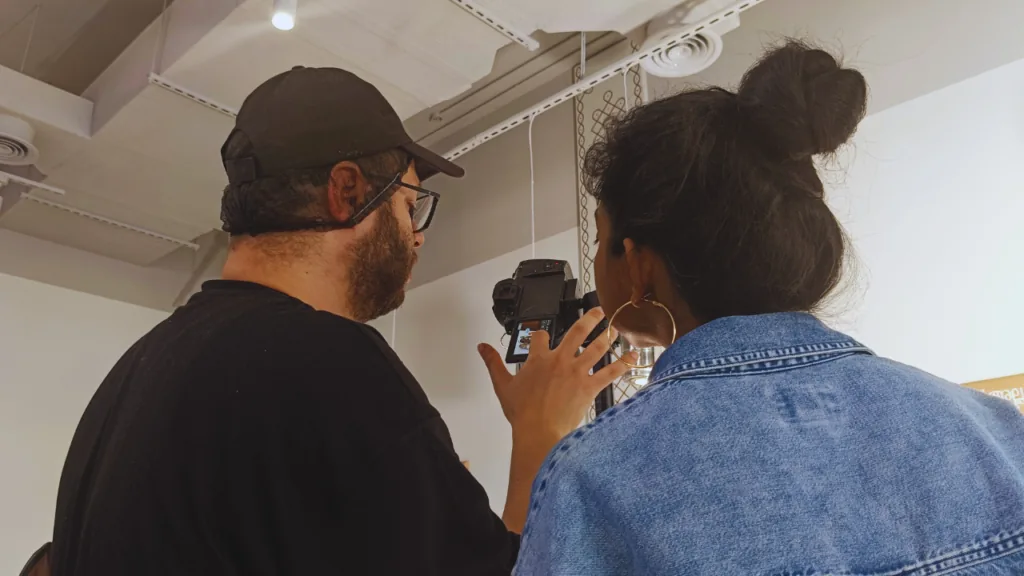
1. Look Beyond Portfolio Aesthetics
A visually strong portfolio is important, but it is not enough.
Many photographers can create beautiful images in controlled conditions. The real question is whether those images are designed for real-world performance across delivery apps, menus, and ads.
Ask yourself whether the food looks:
- Order-worthy, not just attractive
- Clear in portion and texture
- Designed for small-screen viewing
This is where most restaurants misjudge quality, and this is where a specialized F&B creative team tends to outperform general photographers by focusing on outcomes, not just visuals.
2. Evaluate Their Understanding of Platforms
A dish that works on Instagram may not work on Deliveroo.
Different platforms require different framing, lighting, and composition because the context of viewing changes. Thumbnails on delivery apps are small and competitive, while social media content needs to stop the scroll.
Most photographers do not think in terms of platform behavior.
This is where execution breaks down, and this is where working with a team like Food on Focus becomes valuable because the approach is built around how content performs across platforms, not just how it looks in isolation.
3. Understand What You Are Actually Paying For
Pricing in Dubai varies widely, from a few hundred dirhams per hour for freelancers to several thousand for full-service shoots that include styling and production.
What many restaurant owners overlook is that they are not just paying for time. They are paying for:
- Creative direction
- Food styling
- Lighting expertise
- Post-production
- Usage rights
These elements collectively determine the final outcome.
This is why cheaper shoots often lead to underwhelming results. The missing investment shows up in execution quality, and that ultimately affects performance.
4. Check for Strategic Thinking, Not Just Creative Skill
A strong photographer should be able to answer questions like:
- Which dishes should be prioritized
- How to position hero items
- What visuals will perform best in ads
- How to create consistency across platforms
If the conversation is limited to logistics and pricing, you are likely hiring a vendor, not a strategic partner.
This is where many restaurants realize that they do not just need a photographer. They need someone who understands how visuals connect to business outcomes.
5. Assess Their Ability to Create Consistency
Consistency is what builds brand recall.
If your menu images, Instagram posts, and ads all look different, your brand feels fragmented. Customers may not consciously notice it, but it affects trust and recognition.
High-performing brands invest in visual consistency across all touchpoints.
This is another area where specialized F&B teams stand out, because they approach shoots as part of a broader brand system rather than isolated projects.
Questions to Ask Before You Book
A short, specific conversation before booking tells you more than a portfolio ever will, because it reveals how a photographer thinks about your business rather than just their craft. A few questions worth asking every studio you consider:
- How many finished, edited images do you deliver per shoot day? The camera is rarely the bottleneck; a clear figure lets you plan the dish list against reality rather than hope.
- How do you handle the different platforms? A strong answer names delivery-app crops, social formats and web use as separate jobs, not one file for everything.
- What exactly is included, and what is extra? Styling, props, revisions, usage rights and turnaround should all be spelled out, so two quotes become genuinely comparable.
- How do you keep a full menu consistent? Consistency across many dishes is harder than one hero shot, and it is where weak photographers come unstuck.
- What do you need from us to make the day work? A photographer who asks for a brief, a shot list and service windows is one who has run real shoots.
The quality of these answers separates a photographer who takes nice pictures from one who understands that the images have a commercial job. Our guide to writing a food photography brief covers what you should be bringing to that conversation, and our Dubai pricing guide explains what actually drives the number you are quoted.
Red Flags to Watch For
Just as useful as knowing what to look for is knowing what to avoid. A few signals should give you pause, whatever the portfolio looks like:
- A flat per-image price with no questions about your menu, your platforms or how the images will be used. It usually means a generic shoot, not one matched to your business.
- A portfolio of beautiful single hero shots but no evidence of a consistent full menu. One stunning image is easy; forty that match is the real test.
- No mention of usage rights or crops. You can end up unable to use images where you intended, or re-cropping everything yourself.
- A reluctance to work from a brief. It often signals a shoot run on instinct rather than to your goals.
None of these is automatically disqualifying, but each is worth a direct question before you commit, because the cost of the wrong choice is not just the fee, it is a set of images that quietly underperform for a year.
Fit the Shoot Into a Longer Plan
Choosing well is not only about a single shoot; it is about a relationship that keeps your visuals current as your menu changes. Menus drift, dishes are replated and new items launch, so the photographer who can match an established look months later, keeping lighting and styling consistent, saves you from reshooting everything each time. That continuity is worth as much as the quality of any one session.
Think about the shoot as part of a wider content plan rather than a one-off purchase. Our guide on how often to update menu photos sets out a sensible refresh cadence, our guide to how many dishes to photograph helps you scope the first session, and the wider how-to guides and insights hub collects the rest.
What Most Restaurants Get Wrong
Many restaurants make similar mistakes when choosing a food photographer.
They prioritize cost over outcome, leading to underinvestment in a key growth driver. They treat photography as a one-time task instead of an ongoing asset. They fail to align visuals with platform requirements, resulting in content that does not perform where it matters most.
Perhaps the biggest mistake is assuming that any good photographer can deliver strong F&B results.
Food photography is one of the most specialized forms of visual content, and without experience in this category, even technically good photographers can produce images that fail commercially.
This is where most restaurants struggle, and this is where the gap between intent and execution becomes visible.
What High-Performing F&B Brands Do Differently
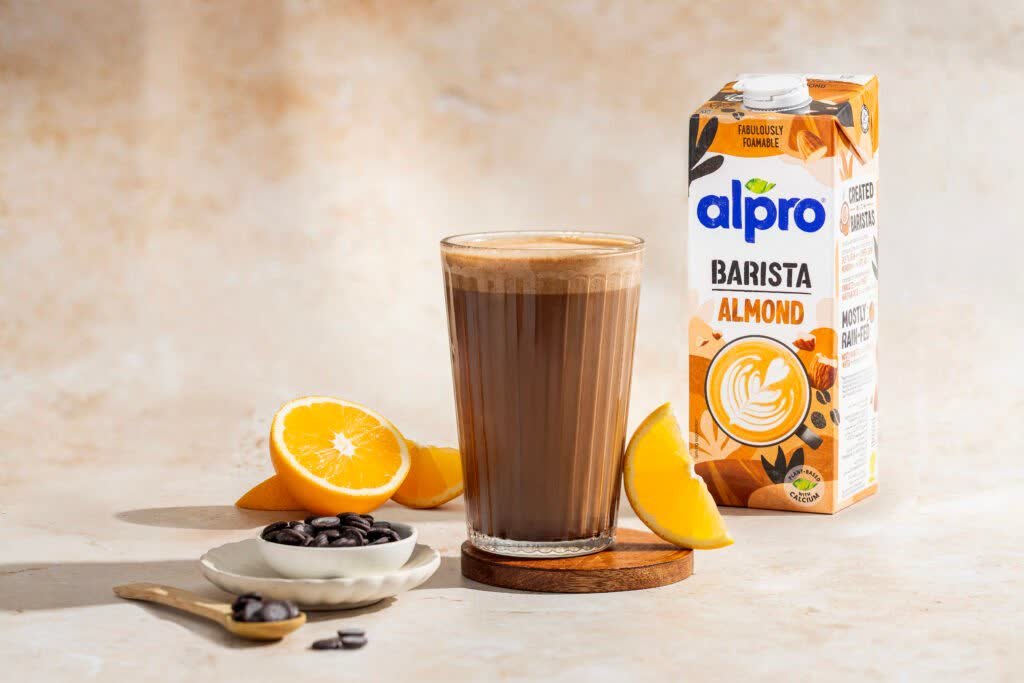
High-performing brands approach food photography with a completely different mindset.
They invest in visuals that are designed for conversion, not just presentation. They maintain consistency across all channels so their brand feels cohesive and recognizable. They plan shoots strategically, focusing on high-impact dishes and campaign needs rather than random content.
Most importantly, they treat visuals as a core part of their growth strategy.
This is why brands that work with specialized F&B teams tend to scale faster. The difference is not just creative quality. It is strategic alignment between content and business goals.
Real-World Scenario: Same Dish, Different Sales
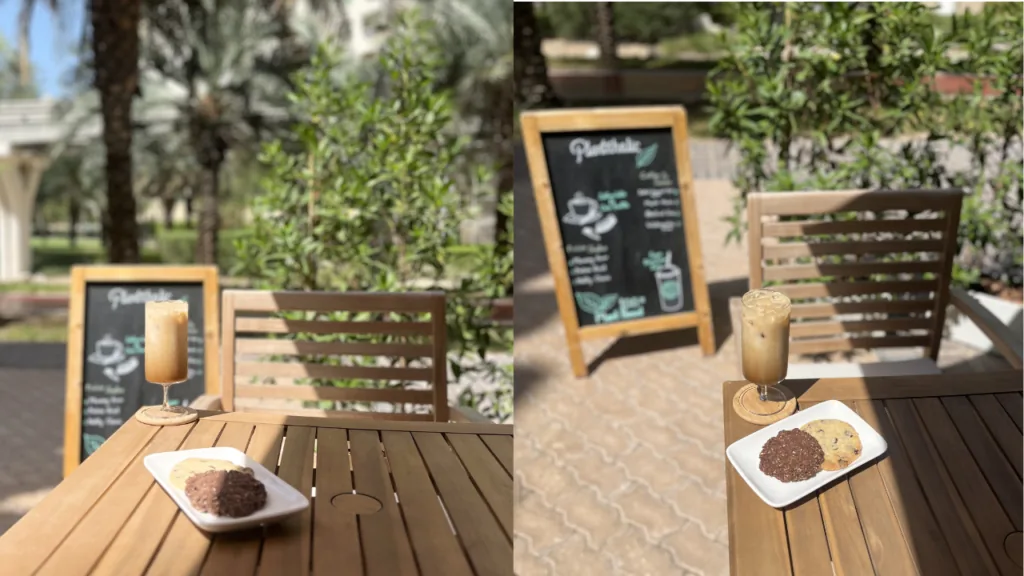
One uses a flat, poorly lit image where textures are unclear. The other uses a well-styled image that highlights layers, contrast, and freshness.
The product is identical. The outcome is not.
Customers respond to what they see, and that response translates directly into clicks and orders.
This is the practical reality of visual psychology in the F&B space. Strong visuals create desire. Weak visuals create hesitation.
And that difference compounds over time.
When Should You Work with an F&B Creative Agency
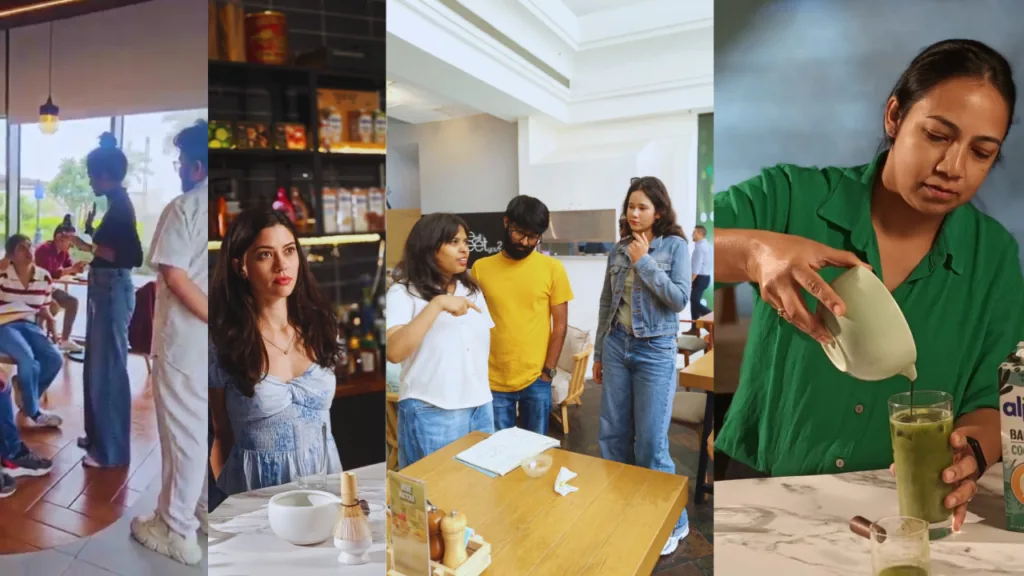
There are specific points where hiring a specialized team becomes necessary rather than optional.
When you are launching and need to make a strong first impression.
When you are rebranding and need to shift perception.
When your conversions are low despite traffic.
When your ads are not delivering results.
When your brand feels visually inconsistent or forgettable.
At these stages, the issue is rarely the food. It is how the food is being presented and positioned.
This is where working with a focused F&B creative partner like Food on Focus becomes relevant, because the goal is not just to create content, but to create content that improves performance.
The Bigger Insight: You Are Buying Outcomes, Not Images
The biggest mistake restaurants make when choosing a food photographer is evaluating them based on output rather than outcome.
Photos are not the result.
Orders are.
This shift in thinking changes how you evaluate quality, pricing, and long-term value. It also changes who you choose to work with, because not every photographer is equipped to deliver results at a business level.
FAQs
Why is food photography important for restaurants
Food photography shapes customer perception and directly influences ordering decisions, especially on delivery platforms where visuals are the first point of interaction.
Does better food photography increase orders
Yes. Restaurants with high-quality food visuals tend to see more orders, and the size of the effect depends on how well the photos are done.
How much does food photography cost in Dubai
Costs vary widely based on experience and scope, ranging from hourly freelance rates to full-service shoots that can cost several thousand dirhams depending on styling and production needs.
How can restaurants improve delivery platform conversions
By using high-quality, platform-optimized visuals that clearly communicate value, portion size, and freshness, along with consistent branding across listings.
Do I need professional branding for my café
Yes. Strong branding and visuals help customers recognize, trust, and choose your café, especially in competitive markets where discovery happens online.
If you want a starting list, our round-up of food photographers in Dubai covers seven studios. We publish it and we are on it, so check every studio against the points above rather than taking any single name, ours included, on trust. The right choice is the one whose work does your commercial job, and only you can judge that against your own menu and platforms.
Planning this for your own brand? See our food photography service in Dubai.