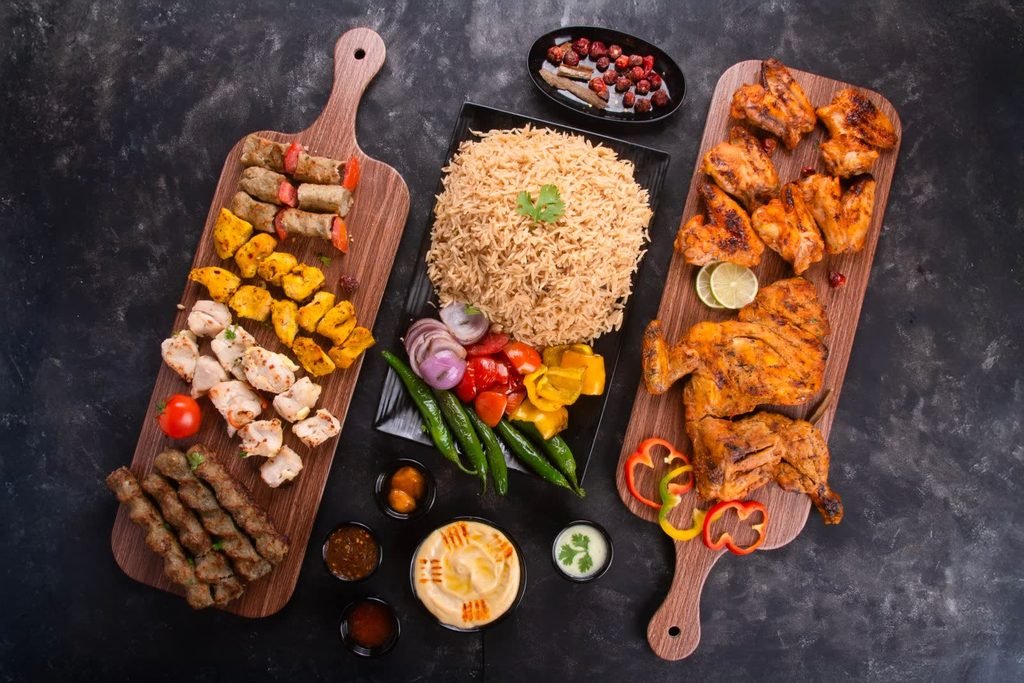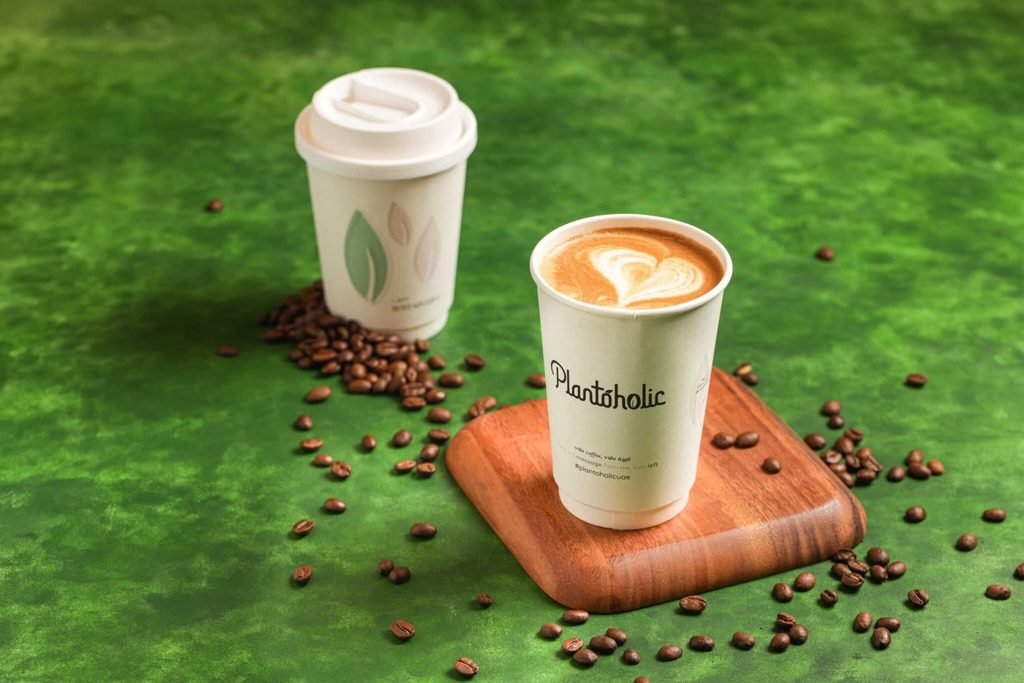
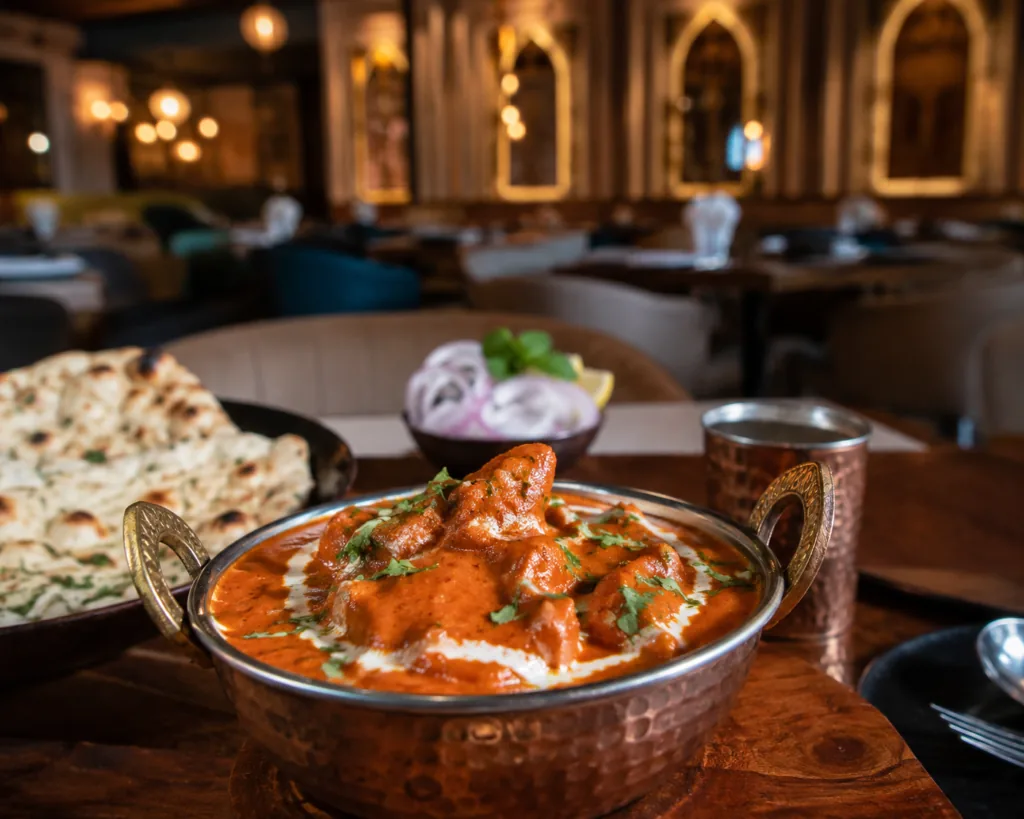
Opening night gets all the attention. But the three months after it often decide whether a new restaurant builds a regular customer base. A well-planned restaurant content calendar Dubai strategy helps you stay visible, build reviews, drive orders and give guests a reason to return. The venues that struggle are rarely the ones with bad food. They are the ones that went quiet in week two, let the opening-night buzz fade, and never gave the city a reason to think about them again.
This guide lays out a practical content plan for those crucial first 90 days, split into three phases with a clear job for each. It is built for the reality of a new Dubai venue: a small team, a tight budget, a kitchen still finding its rhythm and a market where people decide where to eat by scrolling. You do not need a huge following or a big ad spend to make this work. You need consistency, a handful of strong images and a plan you can actually keep to while you are also running a restaurant.
Before You Start: What You Need Ready
A content calendar is only as good as the material you have to fill it with. Before day one, make sure you have professional photos of your three to five hero dishes, a clean set of interior shots, and your brand basics in order. If you have not shot yet, our pre-launch photography checklist for Dubai openings lists everything to line up, and our guide on how to write a food photography brief helps you get usable images from the first shoot rather than the third. You do not need your whole menu photographed on day one, but the dishes you plan to lead with have to look the part from the start, because first impressions on a feed are unforgiving.
Get your brand basics settled at the same time, because a scattered look costs you trust before anyone has tasted the food. That means a consistent handle across platforms, a legible logo, one or two brand colours you stick to, and a short, plain description of what you are and where. None of this needs an agency. It does need deciding once and then holding to it, so that a guest who finds you on Instagram, Google and a delivery app recognises the same restaurant each time.
Days 1 to 30: Prove You Exist
The first month has one job: tell the city you are open, where you are and what you serve. This sounds obvious, but it is where most new venues underperform. They post a single opening announcement, a few blurry phone photos and then go quiet, assuming word of mouth will carry them. In a market as busy as Dubai, silence reads as closed. Your goal in these thirty days is simply to show up, clearly and repeatedly, so that anyone who hears your name and searches for you finds a living, appealing presence.
- Post your three hero dishes individually in week one.
- Publish location, parking and opening hours content.
- Complete your Google Business Profile with full photo categories.
- Share one behind the scenes clip per week.
- Reply to every review and comment within 24 hours.
Treat your Google Business Profile as seriously as your Instagram grid in this phase, because it is where people land when they search your name or “restaurants near me”. Fill every photo category, keep the hours accurate and add your real menu. Good profile photos quietly do a lot of work, which is why we wrote a separate note on shooting photos that sell on the delivery apps and listings. The behind-the-scenes clips matter too: a thirty-second look at a dish being plated or the room filling up on a Friday humanises the venue and gives the algorithm fresh video to push.
Pace the hero dishes rather than dumping them all in the first few days. One strong dish post every two or three days keeps your feed alive for the whole month and gives the algorithm a steady signal, where a single opening-day carousel of everything you serve is forgotten within a week. Hold a few back deliberately, so you always have something ready when a quiet day arrives and you have nothing new to shoot.
Days 31 to 60: Build Proof
By the second month, people know you exist. Now they want reassurance that you are worth the trip. This phase is about social proof: other people enjoying your food, faces behind the brand and a clear sense of what you do best. The content shifts from “here we are” to “here is why people keep coming back”.
- Reshare guest photos and tagged stories weekly.
- Post one short video per week showing a dish being made.
- Introduce the chef and team with faces and names.
- Highlight your best-selling item and say why it sells.
- Start collecting reviews actively at the table.
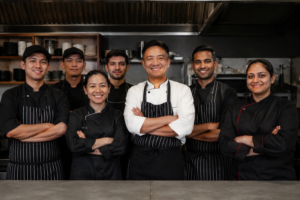
Guest content is the most valuable thing you can post in this window, because people trust other diners far more than they trust your own marketing. Make it easy and worth their while to tag you: a clear handle on the menu and the receipt, a small prompt from the team, and a quick reshare when they do. Introducing the chef and the team is not vanity either. A new venue is an unknown quantity, and putting real names and faces to it turns an anonymous storefront into somewhere people feel they already know a little.
Days 61 to 90: Build Repeat Visits
The final phase is about turning first-time guests into regulars and giving lapsed visitors a reason to return. The opening novelty has worn off, so your content now has to work a little harder and say something, not just look good. This is where a point of view, a signature series or a reason to come back on a particular day starts to pay off.
Lean into what has already worked. By now you can see which dishes and which posts got the most response, so make more of those. Introduce light recurring formats, such as a weekly special, a staff pick or a short series on how a signature dish is made, because recurring formats give people a reason to keep checking in. Keep replying to every review, keep resharing guest content, and start thinking about collaborations with the right local creators, now that service is stable enough to handle the attention.
Choose creators for fit rather than follower count. A food-focused account with a genuine local audience in your area will send you more of the right guests than a larger, broader page whose followers will never visit. Invite them in during a normal, well-run service, brief them lightly on the two or three dishes you want seen, and let them cover it in their own voice. One honest, well-made post from someone whose audience trusts them is worth more than a handful of transactional shout-outs, and it gives you content you can reshare for weeks afterwards.
Work the UAE Calendar Into Your Plan
A ninety-day plan does not run in a vacuum. It runs across a calendar that, in the UAE, shapes how and when people eat out. Building a few of these moments into your schedule ahead of time means you are ready with content rather than reacting late.
The biggest of these is Ramadan, when the rhythm of the day shifts entirely and iftar and suhoor become the occasions that matter. If your opening window overlaps it, plan iftar-focused content, set menus and timings well in advance, and photograph them properly rather than improvising on the night. Eid that follows is a celebration and a natural reason for a special or a family offer. Dubai Shopping Festival and the cooler winter season bring more footfall and more people willing to travel for a meal, so it is worth saving some of your strongest content for then. UAE National Day in early December is another fixed point people expect brands to mark.
Beyond the big dates, the weekly cycle matters. The UAE weekend falls on Saturday and Sunday, with Friday evening already busy, so your push for bookings and walk-ins should build towards the back half of the week rather than spread evenly. You do not need to chase every occasion. Pick the two or three that genuinely fit your venue, prepare for them early, and let the rest pass.
Captions, Hashtags and the Words Around Your Photos
Strong images do the heavy lifting, but the words around them decide whether a scroll turns into a saved post or a visit. Keep captions short and specific: name the dish, say one true thing about it, and give a clear next step, whether that is a booking link, your location or an order button. Avoid filler and avoid overclaiming. A plain, honest line reads better than a paragraph of adjectives.
On hashtags, a small, relevant set beats a wall of generic tags. Mix a few that place you (your area and city) with a few that describe the food, and keep your own branded handle visible so guest posts have something to tag. The aim is to be findable by someone already looking for what you serve nearby, not to chase reach for its own sake.
Common Mistakes New Venues Make
Most of the ways a new venue wastes its first 90 days are avoidable. Watching for these is often more useful than adding more to the plan.
- Going quiet after the opening post, so the early buzz fades with nothing to follow it.
- Relying on rushed phone photos for hero dishes, when those are the images that set the first impression.
- Leaving the Google Business Profile half-finished, with missing hours, no menu and few photos.
- Ignoring reviews, or replying only to the good ones, which tells future diners you are not paying attention.
- Posting in bursts and then disappearing, rather than keeping a steady weekly rhythm.
- Treating delivery-app listings as an afterthought when orders are part of the business.
None of these are about talent or budget. They are about consistency and follow-through, which is exactly what a simple calendar is there to protect.
Which Platforms, and What For
You do not need to be everywhere. For a new UAE restaurant, three channels carry most of the weight, and each has a different job.
- Instagram is your shop window and your proof wall. The grid shows what you serve and the mood of the room; Stories and Reels keep you in the feed between visits. This is where your hero photography earns its keep.
- TikTok rewards personality and process over polish. Short, honest clips of food being made or a busy service can reach well beyond your followers, which is exactly what a new venue needs.
- Google Business Profile is where intent lives. People searching your name or your area are close to deciding, and a complete, well-photographed profile with recent reviews turns those searches into walk-ins.
Delivery apps sit alongside these as their own channel with their own rules. If orders matter to you, treat your Talabat and Deliveroo listings as seriously as your grid, and get the images right to the platform specs. For the detail on that, see our guide to the photo requirements for Talabat, Deliveroo, Careem and noon Food.
How to Produce 90 Days of Content Without Burning Out
The plan above only works if you can sustain it, and a new restaurant team has very little spare time. The answer is batching. Rather than scrambling for a post each day, set aside one planned shoot that captures a library of images and clips in a single session, then schedule them out across the weeks. One good content day, built from a clear brief, can cover most of your first month. A short monthly top-up keeps it fresh after that.
Plan your posts a week or two ahead in a simple calendar so you are never staring at a blank feed at closing time. Keep a running folder of guest photos, quick phone clips and reviews, so you always have raw material to draw on. If producing this consistently alongside a live kitchen is unrealistic, that is exactly the gap an F&B content creation partner fills, building the library so your team can focus on service.
What to Measure
Do not drown in metrics in the first 90 days. Watch a small number of things that actually signal health: saves and shares on Instagram, which show content people want to come back to or send to a friend; the number and recency of Google reviews, which drive local discovery; and your delivery-app order volume if that is part of your model. Vanity follower counts matter far less than whether people are saving your posts, reviewing you and ordering. Check these monthly, see what is working, and let that steer the next phase rather than guessing. One clear signal to act on beats a dashboard full of numbers you never use, so pick the two or three that map to how your venue actually makes money and ignore the rest until you have the time to go deeper.
Restaurant Content Calendar Dubai: A Simple Weekly Rhythm
If the three phases feel like a lot to hold in your head, reduce the whole thing to a weekly rhythm you can repeat: one strong food post, one short video, one piece of guest or behind-the-scenes content, and a daily pass to reply to every comment and review. Four touchpoints a week, kept up without fail, will out-perform a burst of ten posts followed by two weeks of silence every single time. Consistency is the entire game in the first 90 days.
Frequently Asked Questions
How often should a new restaurant post?
Three to four times a week is realistic and sustainable. Consistency matters more than volume in the first 90 days.
What content works best right after opening?
Hero dishes, location details and behind the scenes clips. New customers need to know what you serve and how to find you.
Do I need all my photos before opening?
You need your hero dishes and interiors before opening. The rest of the menu can be shot in the first few weeks once plating settles.
When should I start working with creators?
Usually around month two, once service is stable. Inviting creators during a chaotic first week often backfires.
Should I run paid ads in the first 90 days?
A small, well-targeted boost behind your best-performing organic posts can help, but it is not a substitute for consistent content. Fix the content first, then put a little money behind what is already working.
Planning an Opening?
We build launch content libraries for new venues across the UAE. See our F&B content creation services, read our delivery menu photo guide, browse more how-to guides and insights, or contact Food On Focus Media.
Planning this for your own brand? See our social media content and management.