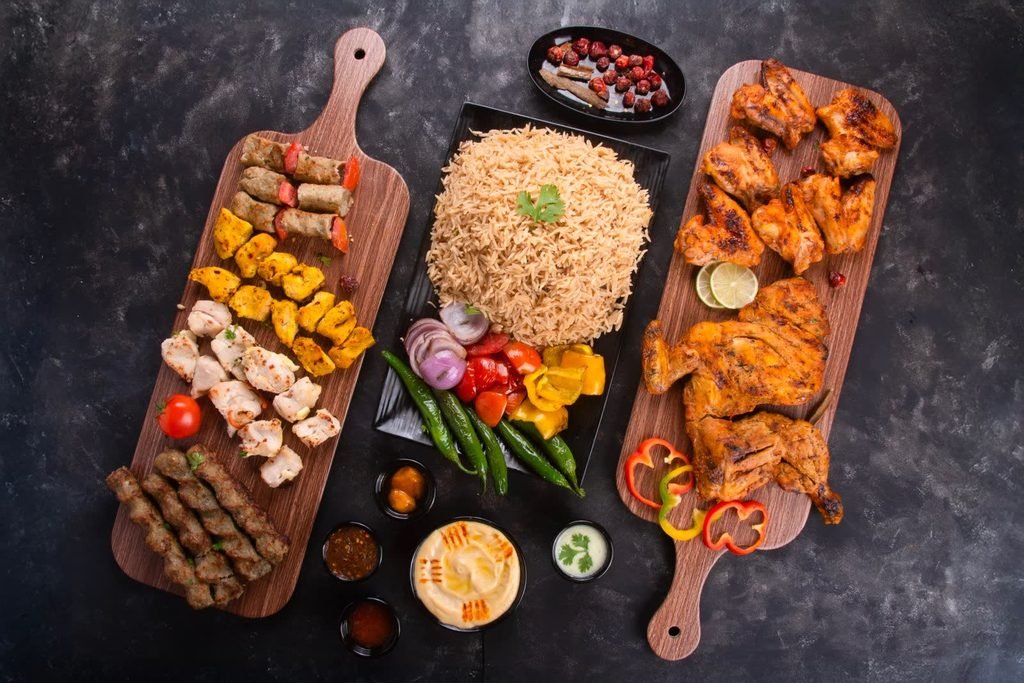
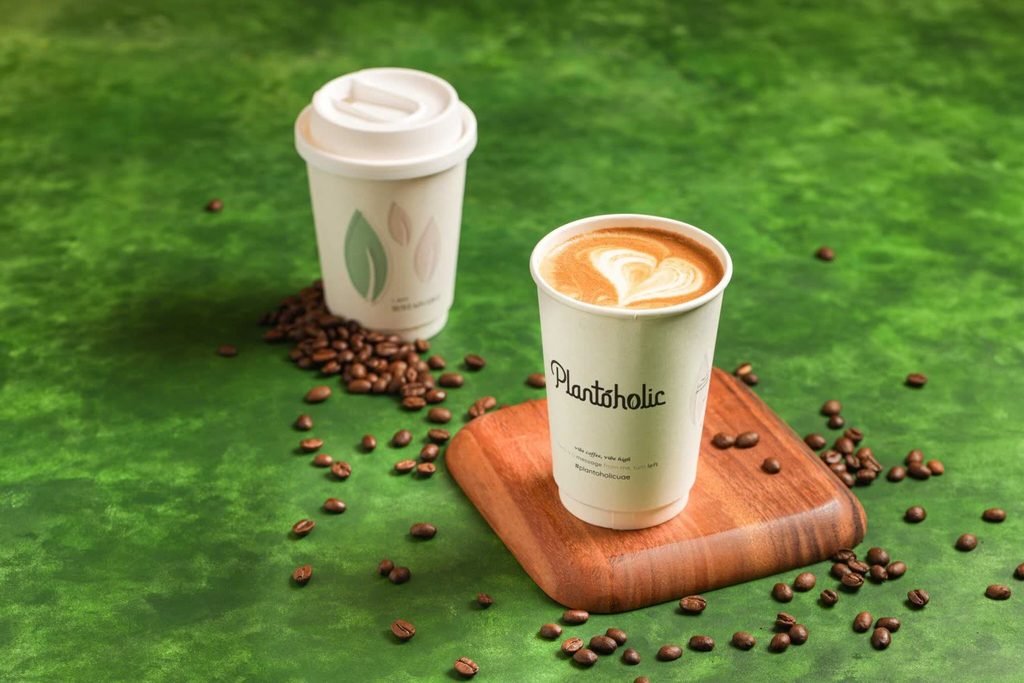
Product Photography in Dubai: Why Your Photos Sell More Than the Product Itself
Most people buy with their eyes first. Before anyone tastes your food or holds your product, they see a photo of it. They see it on a delivery app, on an online store, on Instagram, or in a Google search. That one photo decides whether they stop and look, or scroll past. In a city like Dubai, where a customer sees hundreds of brands in a single day, the photo often matters more than the product.
This is why product photography in Dubai is no longer a nice extra. It is part of how a brand sells.
Many businesses still get this wrong. They spend a lot of money making a good product, designing nice packaging, and running ads. Then they take the photos quickly at the end, with a phone and poor light. The product is good, but the photo makes it look ordinary. So it does not sell as well as it should.
How people shop now, and why the photo decides the sale
Shopping has changed. People decide fast. They scroll quickly, compare a few options, and choose in seconds. Most of that choice is based on how the product looks.
Think about how you shop yourself:
- On a delivery app, you pick the dish that looks the tastiest.
- On an online store, you judge quality from the photos alone.
- On Instagram, you notice a brand because a photo caught your eye.
- Before buying, you compare how two products are presented.
At every step, the photo is doing the selling. If the product looks premium, people assume it is good. If it looks plain, they hesitate. That hesitation is lost sales.
Product photography today is more than a plain studio shot
A clean photo on a white background still has its place, mainly for online store listings. But on its own, it is no longer enough. Good product photography today usually includes a mix of styled shots that show texture and detail, lifestyle shots that show the product in use, packaging shots that make the brand easy to recognise, and ingredient shots that build trust. When these work together, the brand looks the same everywhere the customer sees it, and that consistency is what makes a brand feel trustworthy.
Why online brands need strong photos the most
If you sell online, your photos do the job your shop would normally do. The customer cannot touch the product, smell it, or taste it. The photo has to stand in for all of that.

Take a simple example. A brand sells premium snacks online. Shot flat, under dull light, the snack looks like any other packet on the shelf. Shot well, with good light and a little styling, the same snack looks worth paying more for. The product did not change. Only the photo did. And the better photo brings more sales.
Restaurants need this too
Restaurants are not only selling dishes in their dining room any more. Many now sell packaged items, retail products, and food online. A sauce, a dessert box, a ready meal, a branded coffee bag. All of these sit next to other brands on a screen, and they are judged on their photos. If the restaurant is known for quality but the product photo looks cheap, the two do not match, and customers notice. Good product photography keeps the quality of the restaurant and the quality of the packaged product looking the same.
Common mistakes that hold brands back
Even brands that know photos matter often slip up. The usual mistakes are:
- Quick in-house photos. Convenient, but they often miss good light and styling, and customers can tell.
- Shooting with no clear goal, so the photos do not suit the delivery app, the ad, or the feed.
- A different look on every platform, which makes the brand hard to recognise.
- Shooting once a year, so the content starts to look tired next to competitors.
- Using the same photo everywhere, when each place needs its own version.
Fixing these is usually simple once someone plans the shoot properly before the camera comes out.
Same product, two very different results
Picture two drink brands launching online on the same day. The first uses basic photos taken in a rush. The second invests in styled shots with good light and a real sense of the product. The second brand gets more attention, looks more premium, and turns more viewers into buyers. The drink is the same in both. The difference is the photography.
Why this matters for your growth
Good photos do more than look nice. They shape how people see your brand, how much they trust it, and how likely they are to buy. When the photos get better, the brand feels stronger, and stronger brands convert more customers.

At Food on Focus, we do not just take photos. We plan them around your goals, so each image has a job to do and helps the business grow. Your product may be excellent. But if the photo does not show it, most customers will never find out. In Dubai's crowded market, strong product photography is one of the simplest ways to get noticed, build trust, and sell more.
FAQs
Why is product photography important?
It shapes how people see your product and whether they trust it. A strong photo gets more attention and turns more viewers into buyers.
Does product photography increase sales?
Yes. Clear, appealing photos get more clicks and give customers the confidence to buy, which lifts sales.
What is the cost of product photography in Dubai?
It depends on how many products you shoot and what the shoot needs. Most agencies put together a package to fit the job, so it is best to ask for a quote.
Can product photography improve e-commerce conversions?
Yes. Better photos remove doubt, so more people who view a product go on to buy it.
Do I need branding along with product photography?
Yes. When the look stays consistent across your photos, people recognise your brand faster and trust it more.
A quick check on your current photos
Ask yourself: do your products look premium, do the photos make people want them, do they justify your price, and do they stand out from competitors? If the answer is no, your photos may be holding your sales back, and that is where we can help.
Disclaimer: This article shares general guidance based on Food On Focus Media's experience as a Dubai F&B creative agency. It is for information only and is not a substitute for advice tailored to your specific brand, menu or market.