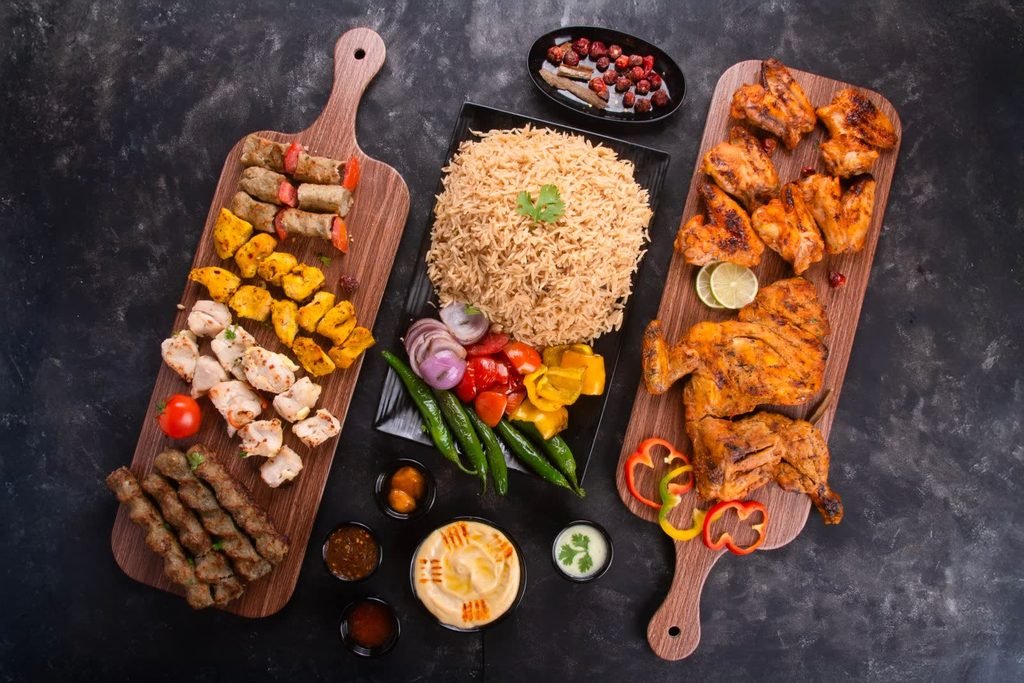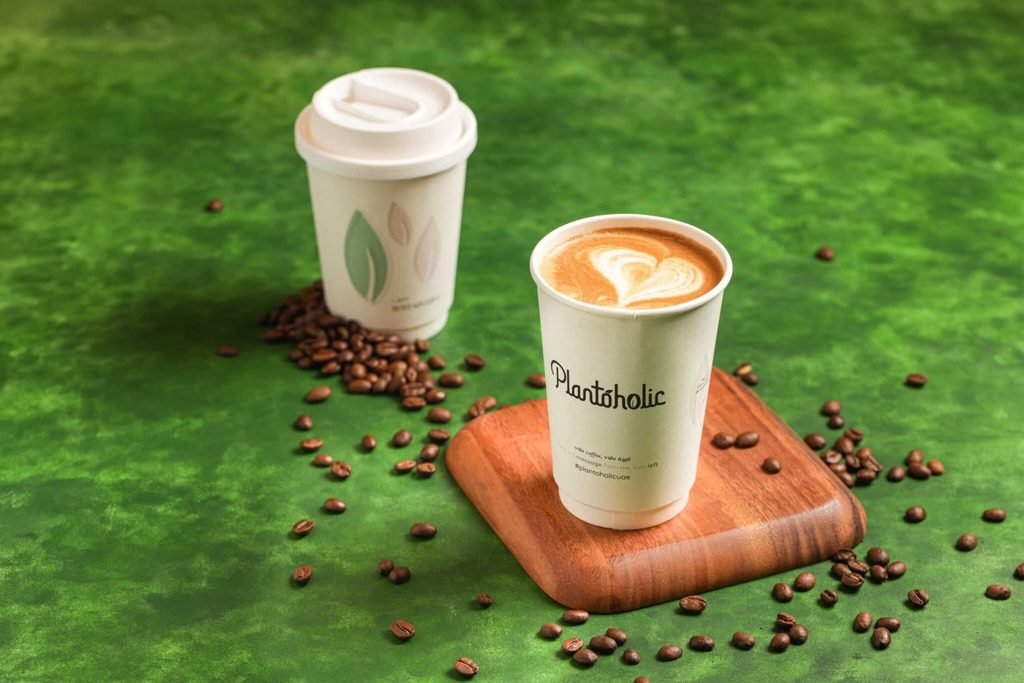
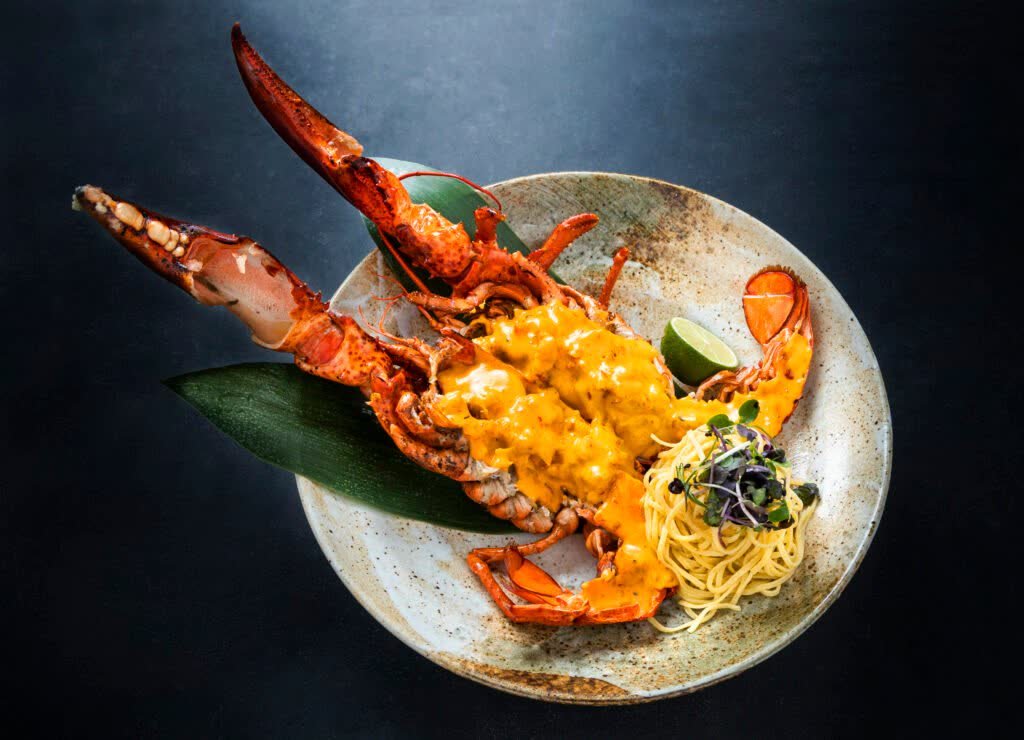
How Food Photography Helps Restaurant Marketing
Today, your food is judged long before it is tasted. Discover How Food Photography Helps Restaurant Marketing!
Customers no longer discover restaurants by walking past them. They discover them through delivery apps, Instagram, Google listings, and online menus. In this digital-first environment, visuals have become the primary decision-making factor.
This is why food photography helps restaurant marketing in a way that directly impacts revenue, conversions, and brand growth.
Professional food photography influences customer decisions, strengthens brand identity, and increases engagement across platforms. Restaurants that invest in strong visuals improve their ability to attract customers and drive business growth.
This shift has fundamentally changed how restaurants grow.
It is no longer enough for food to taste great. It must look irresistible online.
When customers scroll through delivery apps, they compare restaurants visually. When they browse Instagram, they stop for appealing food imagery. When they open menus, they gravitate toward dishes that look appealing.
This means visuals are no longer just marketing assets. They are sales drivers.
And this is where many restaurants unknowingly lose revenue.
Because poor visuals reduce clicks.
Fewer clicks reduce orders.
Lower orders reduce growth.
This is why food photography helps restaurant marketing far beyond aesthetics. It directly influences business performance.
The Shift in Restaurant Marketing: Customers Eat With Their Eyes First
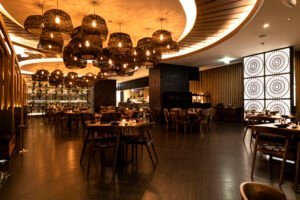
Human decision-making is highly visual, especially when it comes to food.
Clear, high-quality food images help customers decide faster, which can lift orders from menus and delivery apps.
This happens because visual content creates emotional response faster than text.
Customers do not read menus first.
They scan images first.
Then they decide what to order.
This behavioural shift is especially important for:
- Cloud kitchens
• Delivery-first restaurants
• New restaurant launches
• Cafés relying on Instagram discovery
• Brands competing on aggregator platforms
In these environments, your food visuals act as your storefront.
This is where execution matters.
Restaurants often assume any image is good enough. In reality, poor visuals reduce perceived quality and weaken brand positioning.
This is where specialised F&B creative partners like Food on Focus influence outcomes. Not just by capturing food, but by designing visuals that drive conversions, improve perception, and support brand growth.
How Food Photography Helps Restaurant Marketing Across Key Channels
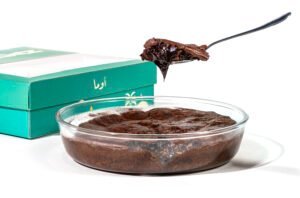
Food Photography Improves Delivery Platform Conversions
Delivery platforms are highly competitive environments where customers scroll rapidly and make quick decisions.
If your visuals fail to capture attention immediately, your restaurant gets ignored.
Professional photos usually earn more clicks and more orders than amateur images. This happens because:
- High-quality images build trust
• Clear presentation improves perceived taste
• Professional styling increases desirability
• Consistent visuals improve recognition
Consider a simple scenario.
Two restaurants sell the same burger.
Restaurant A uses a poorly lit phone image.
Restaurant B uses a professionally styled visual.
Restaurant B attracts more clicks, more orders, and stronger brand recall.
Same dish. Different visuals. Different revenue.
This is how food photography helps restaurant marketing in measurable terms.
This is also where many restaurants struggle. They upload images once and expect long-term results.
High-performing restaurants update visuals regularly, optimise for platforms, and focus on hero dishes.
This is where Food on Focus typically shifts restaurants from content creation to conversion-driven visual strategy.
Food Photography Increases Instagram Engagement
Instagram is one of the most important discovery platforms for restaurants.
However, many restaurants struggle with:
- Low engagement
• Weak brand recall
• Poor reach
Visual content significantly improves engagement because customers respond more to images than text.
Visual posts tend to drive more engagement and customer interest on social platforms.
Strong food visuals help restaurants:
- Increase saves
• Improve shares
• Boost engagement
• Strengthen brand perception
However, posting random food photos is not enough.
High-performing F&B brands focus on:
- Consistent visual identity
• Campaign-driven content
• Seasonal shoots
• Product-focused storytelling
This is where execution breaks down for many restaurants.
They post inconsistently, use mixed styles, and fail to build brand recall.
This is where Food on Focus helps shift restaurants from random posting to structured brand storytelling.
Food Photography Strengthens Brand Identity
Your visuals communicate your brand positioning instantly.
Premium visuals suggest high-end dining.
Bright visuals suggest casual dining.
Minimal visuals suggest modern concepts.
Professional food photography enhances credibility, builds trust, and improves brand recognition across marketing channels.
When visuals are consistent:
- Customers recognise your brand faster
• Pricing perception improves
• Brand recall increases
Without consistent visuals, restaurants appear generic.
Generic brands compete on price.
Strong brands compete on perception.
This is how food photography helps restaurant marketing beyond engagement. It builds long-term brand value.
Food Photography Improves Menu Performance
Menus are sales tools.
Every dish with strong visuals becomes easier to sell.
Menus with photos generally convert more customers than text-only menus and shape what people order.
This leads to:
- Better upselling
• Higher order value
• Faster decisions
A dessert without visuals sells occasionally.
A dessert with strong visuals becomes a top seller.
This is visual psychology in action.
Food on Focus often helps restaurants identify:
- Signature dishes
• High-margin items
• Hero menu products
Then builds visuals around them to improve performance.
This is where food photography becomes a growth strategy.
What Most Restaurants Get Wrong
Despite understanding the importance of visuals, many restaurants struggle with execution.
Common mistakes include:
Amateur Visuals
Poor lighting and inconsistent styling reduce perceived quality.
Customers associate poor visuals with poor food.
No Strategy
Restaurants shoot everything randomly instead of prioritising high-performing dishes.
Inconsistent Branding
Different styles across platforms reduce brand recall.
One-Time Shoots
Menus evolve but visuals remain outdated.
No Platform Optimisation
Instagram visuals differ from delivery platform visuals.
Most restaurants ignore this.
This is where execution breaks down.
This is where specialised F&B creative teams like Food on Focus change outcomes.
What High-Performing F&B Brands Do Differently

Successful F&B brands treat visuals as growth assets.
They focus on:
- Conversion-focused imagery
• Consistent branding
• Campaign-driven shoots
• Platform-specific content
• Regular updates
These brands understand visuals influence:
- Pricing power
• Brand recall
• Customer perception
• Ad performance
This is why premium brands invest in professional food photography.
Because they understand the ROI.
Real World Scenarios
Same Dish Different Sales
Restaurants update visuals for top dishes.
Orders increase without changing recipes.
Better Visuals Higher Pricing
Premium visuals increase perceived value.
Customers accept higher pricing.
Better Ads Performance
Strong visuals increase click-through rates.
Lower ad costs.
Better ROI.
These are direct business outcomes.
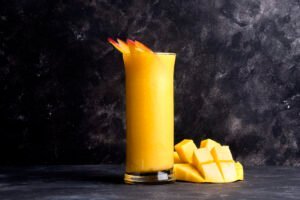
Why This Matters for Your F&B Brand’s Growth
Food photography impacts:
- Orders
• Conversion rates
• Brand perception
• Pricing power
• Platform visibility
Better visuals attract more customers.
Better perception builds trust.
Better trust increases conversions.
This creates sustainable growth.
When Should You Work With an F&B Creative Agency
Consider working with a specialised F&B creative agency when:
- Launching a new restaurant
• Rebranding
• Scaling delivery
• Running ads
• Experiencing low conversions
This is where Food on Focus helps restaurants transform visuals into growth drivers.
Frequently asked questions
Why is food photography important for restaurants?
Food photography improves customer perception, increases engagement, and drives higher conversion rates across delivery platforms and social media.
Does food photography increase orders?
It usually helps. Clear, appetising photos make it easier for customers to choose a dish, which is why professional visuals tend to lift clicks and orders on delivery apps and social media.
How much does food photography cost in Dubai?
Costs vary depending on number of dishes, styling requirements, and shoot complexity. Prices can range widely depending on production scale. Our food photography cost guide explains what drives the quote.
Can food photography improve delivery conversions?
Yes. Professional visuals improve click-through rates and ordering behaviour across delivery platforms.
Do restaurants need branding along with photography?
Yes. Photography without branding lacks consistency and reduces long-term impact.
Final Thought
Look at your delivery platforms.
Look at your Instagram.
Look at your menu.
Ask yourself one question.
Do your visuals make customers hungry enough to order immediately?
If not, your visuals are costing you revenue.
This is where a specialised F&B creative partner like Food on Focus becomes the natural next step.
Because in today’s restaurant landscape, great food gets remembered.
But irresistible visuals get ordered first.
Planning this for your own brand? See our food photography service in Dubai.