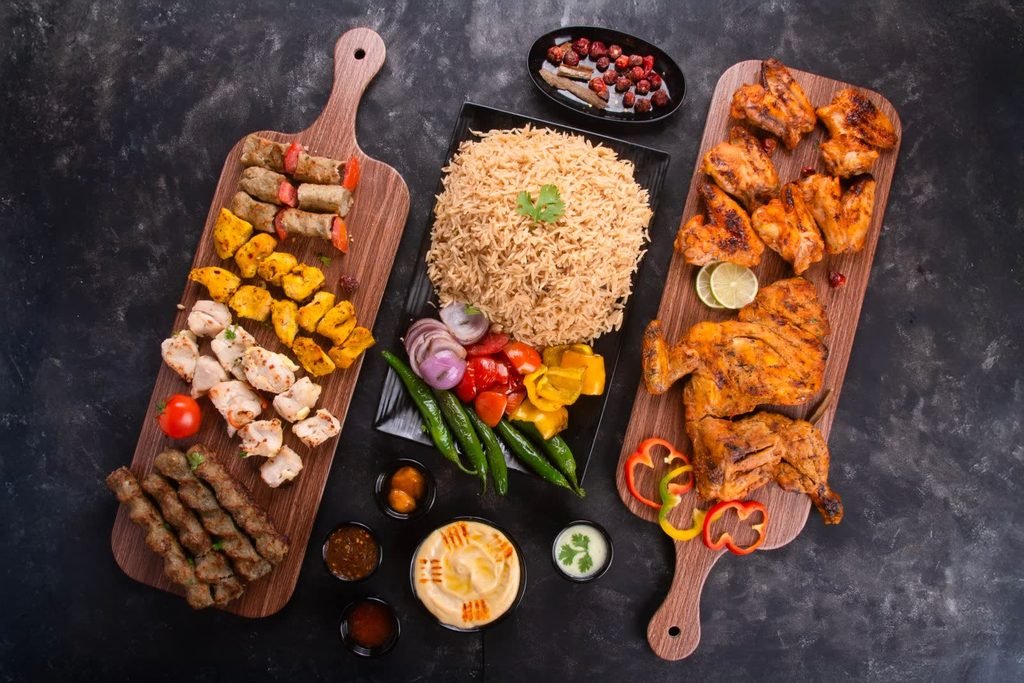
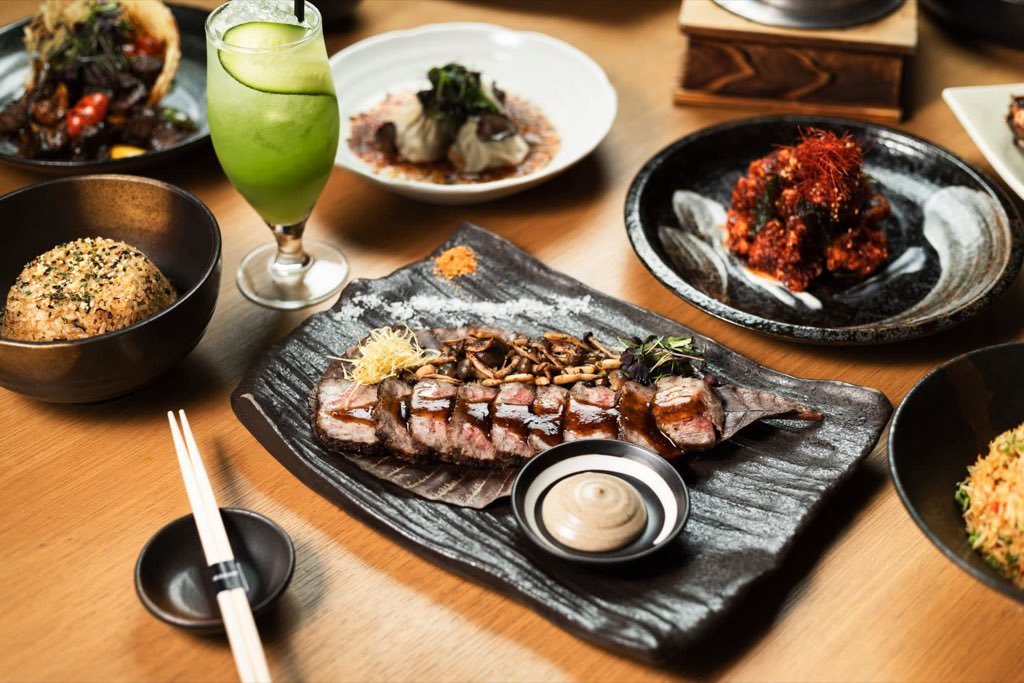
A restaurant shoot and a hotel shoot get quoted the same way, and they are not the same job. A restaurant has one kitchen, one menu, one room and one person who signs off. A hotel has several of each, running at the same time, under one marketing budget.
Most hotel F&B briefs that reach us ask for a number of dishes. Very few say which outlet each dish belongs to. That one missing column is what turns a planned shoot day into a scramble, because the dishes are spread across venues that are never free at the same hour.
Count the outlets before you count the dishes
Before anything else, write down every place on the property that serves food or drink. A mid-sized UAE property usually has more than the marketing team is holding in their head:
- The signature restaurant
- All-day dining
- The lobby lounge, and afternoon tea if it runs as its own offer
- The pool or beach bar
- In-room dining
- Banqueting and events catering
- The club or executive lounge
- Any leased or franchised outlet operating inside the property
Each of those has its own menu, its own look, and often its own social account. Several of them are selling to a different guest than the hotel is. A beach venue sells to residents who will never book a room, and its photography has a different job to do.
Once that list exists, the question stops being "how many dishes" and becomes "how many venues, and which ones earn the time". That is a decision for the F&B director, and it is far easier to make in a meeting than on a shoot day.
Service is the constraint, not the light
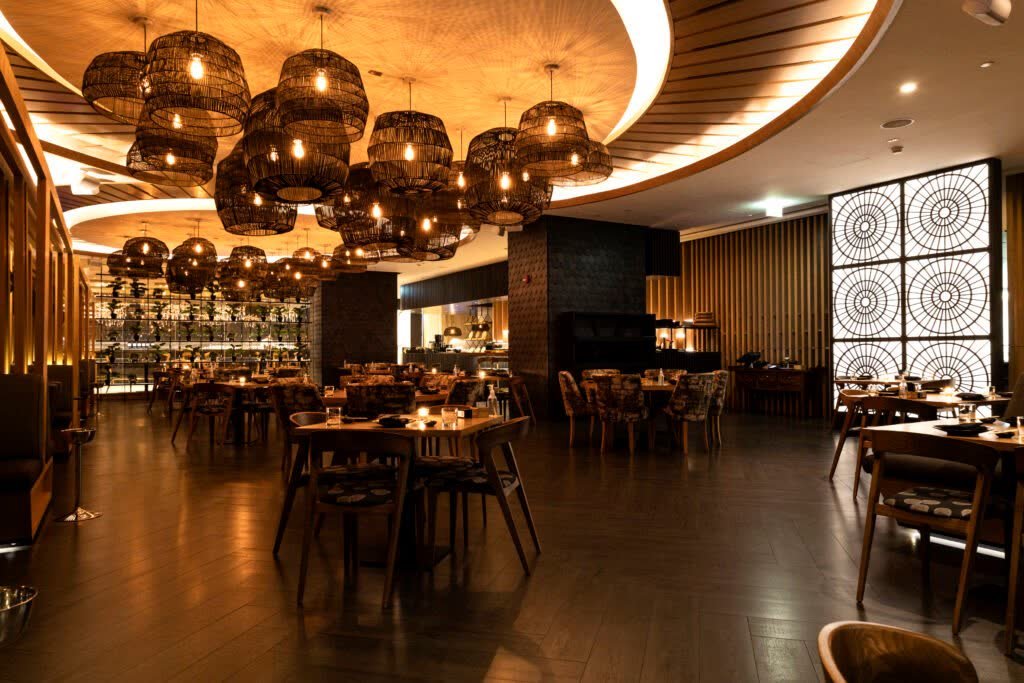
A hotel restaurant does not close. Breakfast runs into the late morning, lunch follows it, and dinner prep starts in the afternoon. The gap in between is your shoot window, and it is shorter than a working day.
This is the real difference from a standalone restaurant, which can shut for a day and hand you the room. In a hotel you are either working in live space around guests, or you are working before the building wakes up.
Two approaches work. Shoot in the venue early, before first service, while the room is clean and empty and you still control the light. Or shoot away from the floor altogether, in a back-of-house area or a function room set up as a temporary studio, and have the dishes brought to you. The second is faster for volume and gives up the venue's character, so most properties need some of both.
Either way the kitchen has to be briefed. A chef who has not been told a shoot is happening will plate for service rather than for camera, and the difference is visible in every frame.
Brunch and buffet are the hardest hour on the property
Brunch is a UAE hotel institution, and it is the hardest thing in the building to photograph well. Most venues moved it from Friday to Saturday when the country shifted to a Monday to Friday working week in 2022, but the format did not change: a long sitting, a large spread, and a room that fills fast.
The problems are physical, not creative:
- Chafing dishes and heat lamps throw a strong warm cast that fights the daylight coming through the windows, so a single frame carries two colour temperatures
- Steam and condensation settle on everything near the hot section
- A display built for a hundred covers is designed for volume and reach, not for a camera's eye line
- Hot food looks its best for a few minutes and then stops looking like food at all
The answer is to build for the camera instead of photographing what the kitchen built for guests. Have a section dressed fresh before doors open, shoot it immediately, and let service restock it afterwards. A buffet photographed an hour into brunch will always look like a buffet an hour into brunch.
Your outlets should not all be graded the same
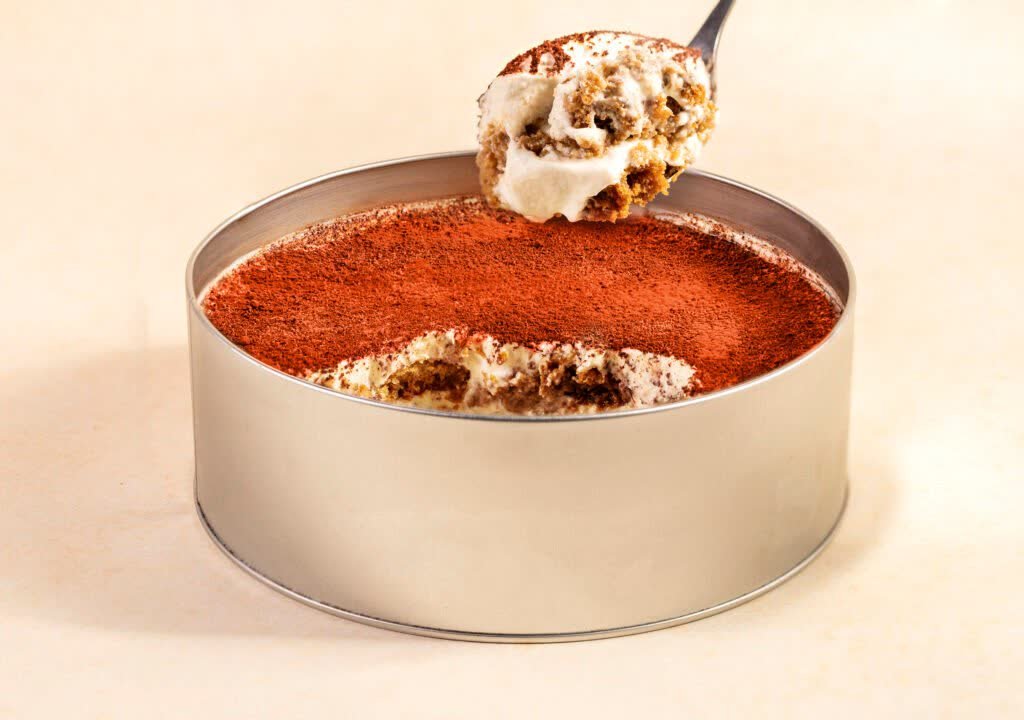
A hotel with six venues has six visual registers and one photographer. The temptation on a multi-outlet shoot is to grade everything into a single house look, because it feels consistent and it is quicker. It also flattens the thing that makes each outlet worth choosing.
The signature restaurant and the all-day dining room are selling different evenings to different people. Dark, low, tightly lit frames suit one of them and make the other look shut. A pool venue shot in the same key as a steakhouse throws away the daylight that is its whole proposition.
Agree the register per outlet during the brief, in plain words, before anyone picks up a camera. "Warm and low" for one and "bright and open" for another is enough to steer both the shoot and the edit.
Shoot two versions of every beverage hero
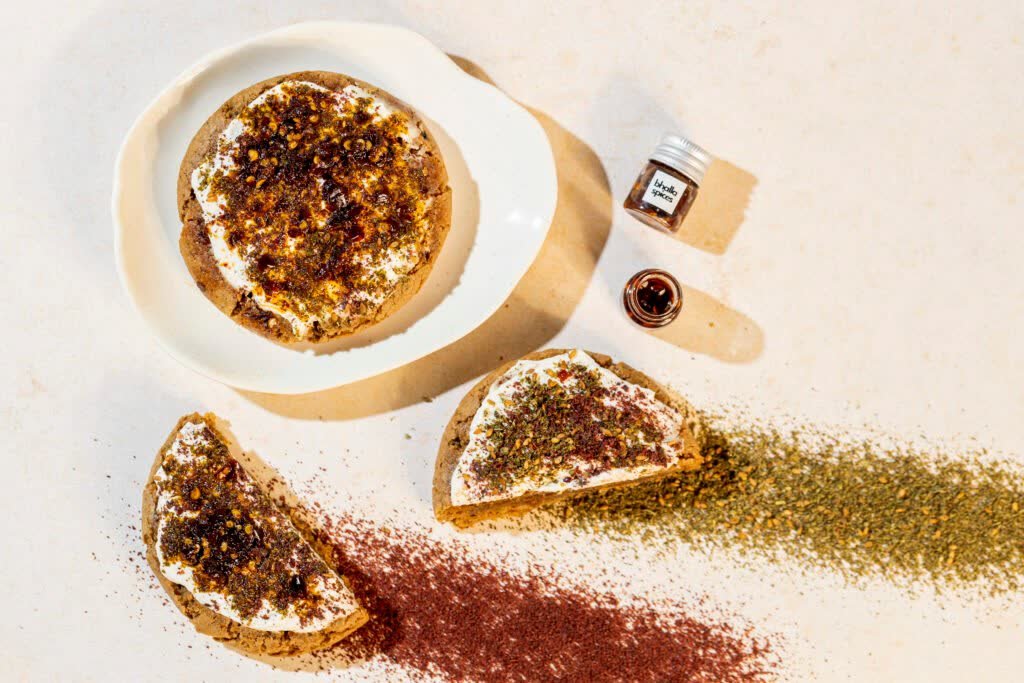
Beverage photography in a licensed hotel venue carries a constraint that food does not. What the bar serves and what the marketing team is cleared to publish are not the same list, and what is permitted varies by channel, by the market a campaign runs in, and by the hotel group's own brand standards. The marketing manager usually knows those rules. The photographer usually does not, and they tend to surface after the shoot rather than before it.
The fix costs very little on the day. For every beverage hero, shoot the frame as intended, then shoot it again with the drink out of frame or swapped. You end up with one set that runs anywhere and one set that runs where the first cannot. Retrofitting this later means a reshoot, because you cannot remove a drink from a frame that was composed around it.
The approval chain is the schedule risk
On a restaurant shoot the owner is usually standing in the room. On a hotel shoot, sign-off can run through the chef, the outlet manager, the F&B director, the cluster marketing team and sometimes a regional brand team in another country.
That chain does not slow the shoot day down. It slows down everything after it, and it is where hotel projects quietly lose weeks. Two things help. Name one approver who is physically on the floor while you shoot and who can accept a frame as it is taken. And settle beforehand which decisions are theirs and which genuinely have to travel up the chain.
Ask for the files per outlet
Hotel marketing teams publish into more places than a single restaurant does, and the files need to arrive ready for all of them. Ask for delivery split by outlet rather than as one folder, because the people who use the images work on one venue at a time and should not have to sort a shared drive to find their own venue.
For each hero, the set worth having is a wide landscape frame for the website and booking channels, a square or near-square for listings and profiles, and a vertical for stories and short form. Those are framing decisions taken at the camera, not crops made afterwards. A frame composed for landscape does not have a vertical hiding inside it.
Frequently asked questions
Can you shoot while the restaurant is open?
Yes, but it limits what is possible. Working around live covers means no lighting stands in walkways, no long resets, and no control over who walks through the back of frame. Anything that needs the full room should be shot before first service.
Can one shoot day cover all our outlets?
It depends entirely on how many dishes each outlet needs and how fast the kitchens can plate. The camera is almost never the bottleneck. Ask any photographer you are considering for the number of finished frames they expect to deliver per day, get it in writing, and plan the outlet list against that figure rather than against a hope.
Do you photograph the buffet during brunch service?
We photograph it just before doors open, with sections dressed for the camera, and then cover the room and the guests during service. Hot displays do not hold up once they have been running for an hour.
Do you shoot interiors as well as food?
Yes, and for a hotel the interiors usually matter more than they do for a standalone restaurant, because the venue frame is what carries the booking. Our notes on interior photography for Dubai venues cover how we approach the room.
What should the brief contain?
At minimum: the outlet list, the dish list mapped to outlets, the service windows for each venue, the named approver, and the channels the images are going to. We have a template for writing a food photography brief that covers the rest.
Where to start
Start with the outlet list, not the dish list. Once you know how many venues you are covering and when each of them is genuinely free, the shape of the shoot falls out of it, and the quote you get back will be for the job you actually have.
Our food photography for hotels and fine dining page covers how we scope and run these shoots across Dubai, Abu Dhabi and the wider UAE. If you are opening rather than refreshing, the pre-launch photography checklist is the better starting point.