Cloud kitchens have fundamentally changed how food businesses operate.
Lower overhead costs, faster expansion opportunities, and delivery-first business models have made them one of the fastest-growing segments in the F&B industry. Unlike traditional restaurants, cloud kitchens eliminate dine-in operations and focus entirely on online ordering and delivery.
But while many founders focus heavily on kitchen operations, packaging, delivery logistics, and platform onboarding, they often overlook the one factor customers interact with before anything else.
The visuals.
Customers cannot smell your food. They cannot experience your service. They cannot see your restaurant ambiance. They only see a thumbnail, a menu image, or a social media post.
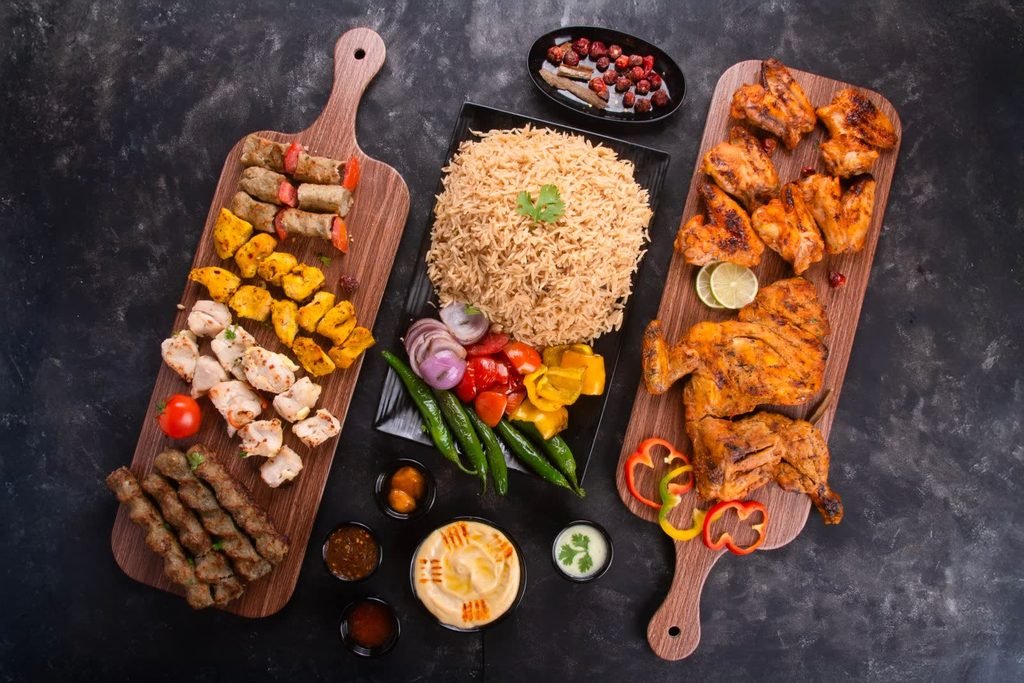
That means food photography for cloud kitchens is not simply a creative asset. It is one of the most important conversion tools in the entire business.
And in a category where dozens of brands compete side by side on delivery apps, the difference between getting ignored and getting ordered often comes down to how your food looks online.
What Most Articles About Food Photography for Cloud Kitchens Get Right and Where They Fall Short
Most guides correctly explain the technical side of food photography.
They discuss:
- Lighting
- Camera angles
- Styling
- Composition
- Equipment
These are important.
However, most articles stop at aesthetics.
They explain how to make food look attractive, but they rarely explain why certain images generate more orders, why some delivery listings outperform others, or how visual presentation directly influences customer behavior.
That missing layer is where the real business impact exists.
Because cloud kitchens operate in a completely different environment than traditional restaurants.
A restaurant can benefit from location, ambiance, foot traffic, and customer experience.
A cloud kitchen cannot.
Its first impression is entirely digital.
Why Food Photography Matters More for Cloud Kitchens Than Traditional Restaurants

A traditional restaurant has multiple opportunities to influence perception.
The interior design creates atmosphere.
The service creates experience.
The location creates visibility.
Cloud kitchens lose all of those advantages.
Instead, they rely almost entirely on digital touchpoints.
This means your food photography becomes:
- Your storefront
- Your menu presentation
- Your first impression
- Your strongest sales tool
This is why food photography has a disproportionately larger impact on cloud kitchens than on traditional restaurants.
Research consistently shows that strong menu photography improves engagement, conversions, and customer confidence. Professional delivery-platform photography can increase orders significantly depending on platform and execution quality.
The implication is straightforward.
Customers are not ordering food.
They are ordering perceived value.
And perceived value is visual.
The Real Psychology Behind Food Photography for Cloud Kitchens
Most customers make ordering decisions in seconds.
They are scrolling through multiple listings at once.
Every restaurant is competing for attention within the same screen.
This means customers are not analyzing details logically.
They are reacting emotionally.
Visual cues influence:
- Appetite
- Trust
- Quality perception
- Portion expectations
- Price justification
A well-photographed burger feels more premium.
A better-lit pasta dish feels fresher.
A professionally styled dessert feels worth paying extra for.
The food itself may not have changed.
The perception has.
And perception influences purchasing behavior.
This is where many cloud kitchens struggle because they underestimate how much revenue is influenced by presentation.
If you want a deeper understanding of how visuals influence restaurant performance, the article on how food photography helps restaurant marketing and drives real revenue growth provides additional perspective on how visual strategy impacts business outcomes.
What Makes Great Food Photography for Cloud Kitchens

Focus on Conversion, Not Just Beauty
Many food photos look attractive.
Far fewer actually convert.
The difference is intent.
A conversion-focused image highlights:
- Texture
- Freshness
- Portion size
- Ingredient quality
Customers should immediately understand what makes the dish appealing.
The goal is not artistic appreciation.
The goal is appetite.
Optimize for Delivery Platforms
Delivery apps are highly competitive environments.
Your image is often displayed as a small thumbnail beside multiple competitors.
Images that work well for websites or billboards often fail inside delivery apps because critical details disappear.
High-performing cloud kitchen photography prioritizes:
- Close framing
- Clear food visibility
- Strong contrast
- Immediate readability
This is where execution becomes critical.
A beautiful image that does not perform on Deliveroo, Talabat or Careem is still a weak business asset.
Build Consistency Across Every Platform
Customers encounter brands across multiple channels.
They might discover you through Instagram.
Order through Deliveroo.
See an ad later.
Consistency across these touchpoints strengthens recall and trust.
This is why successful brands develop visual systems rather than isolated photoshoots.
The strongest cloud kitchens treat photography as part of branding.
Not as a one-time production task.
This is also why many growing delivery brands eventually work with specialists such as Food on Focus, because consistency becomes difficult to maintain when content is produced without a long-term visual strategy.
Real-World Scenario: Same Dish, Different Revenue Outcome
Imagine two cloud kitchens selling nearly identical fried chicken burgers.
The first listing uses:
- Flat lighting
- Weak composition
- Inconsistent colors
The second listing uses:
- Professional lighting
- Texture-focused closeups
- Strong visual hierarchy
Both products cost the same.
Both products may even taste similar.
Yet customers consistently perceive the second option as more premium.
The result is higher click-through rates, stronger conversion rates, and often higher average order values.
The difference is not culinary.
It is visual.
What Most Cloud Kitchens Get Wrong
Many founders spend months planning operations and only a few hours planning visual presentation.
Common mistakes include:
Using Phone Photos Without Strategy
Modern smartphones are capable of excellent photography.
But equipment is not the issue.
Strategy is.
Without understanding composition, lighting, platform behavior, and food styling, even expensive phones produce weak results.
Treating Photography as a One-Time Expense
Menus evolve.
Campaigns change.
Platforms reward freshness.
Photography should function as an ongoing business asset rather than a launch-day task.
Ignoring Video Content
Customer attention increasingly favors motion.
This is where many cloud kitchens fall behind.
They invest in photos but ignore video.
Meanwhile, competitors gain engagement through reels, short-form content, and platform-native advertising.
No Platform-Specific Optimization
The same content does not work everywhere.
Instagram behavior differs from delivery-app behavior.
What succeeds on social media may fail inside a menu.
This is where many brands lose performance despite having decent content.
What High-Performing Cloud Kitchen Brands Do Differently
The strongest delivery-first brands approach photography differently.
They invest in:
- Conversion-focused visuals
- Consistent branding
- Platform-specific content
- Regular content refreshes
- Video integration
Most importantly, they align visual production with business objectives.
Their goal is not simply to create content.
Their goal is to influence decisions.
This is where execution separates growing brands from stagnant ones.
Brands that integrate photography, branding, and social strategy together often outperform competitors because every visual asset serves a specific purpose.
This is also why restaurant marketing agencies and specialized F&B creative teams continue to become more important as cloud kitchen competition increases.
Why This Matters for Your Cloud Kitchen’s Growth
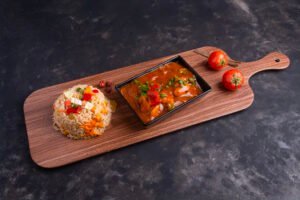
Food photography directly influences:
Orders
Customers order what looks desirable.
Conversion Rates
Strong visuals reduce hesitation.
Pricing Power
Premium visuals support premium pricing.
Brand Perception
Visual quality shapes perceived quality.
Platform Visibility
Better-performing listings often generate stronger engagement signals.
All of these factors compound over time.
Which means food photography is not simply an operational decision.
It is a growth decision.
When Should You Hire a Professional Food Photographer for Your Cloud Kitchen
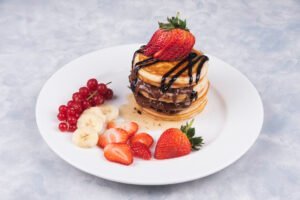
There are specific stages where professional support becomes increasingly valuable.
When launching a new cloud kitchen.
When rebranding.
When delivery sales plateau.
When ads are generating clicks but not conversions.
When your content feels inconsistent across platforms.
At this point, the issue is rarely effort.
It is execution.
And this is where specialized food photographers, visual strategists, and F&B-focused creative partners can have a measurable impact on performance.
If you are evaluating options, exploring experienced food photographers in Dubai can help you understand how professional visual production differs from generic commercial photography.
The Bigger Insight
Cloud kitchens operate inside digital marketplaces.
Customers do not experience your brand physically before ordering.
They experience it visually.
That means your food photography is no longer supporting the business.
In many cases, it is driving the business.
The brands that understand this invest accordingly.
The brands that do not often find themselves competing through discounts instead of differentiation.
And that is a much harder battle to win.
FAQs
Why is food photography important for cloud kitchens?
Cloud kitchens rely entirely on digital ordering, which means customers evaluate food primarily through visuals. Strong photography improves trust, increases appetite appeal, and directly influences ordering decisions.
Does professional food photography increase delivery orders?
Yes. Professional food photography can improve click-through rates, customer engagement, and order volume because customers are more likely to choose listings that appear premium and visually appealing.
What type of food photos work best on Deliveroo and Talabat?
Images that clearly show texture, freshness, portion size, and ingredient quality generally perform best. Close framing and platform-specific optimization are especially important.
How much does food photography cost for cloud kitchens in Dubai?
Pricing varies depending on the number of dishes, production complexity, styling requirements, and content deliverables. Costs should be evaluated against the potential increase in orders and brand positioning rather than treated purely as an expense.
Can food photography help a new cloud kitchen launch faster?
Yes. Strong photography helps new brands create trust quickly, improve conversion rates, and compete more effectively against established players on delivery platforms.
Planning this for your own brand? See our menu photography for delivery apps.