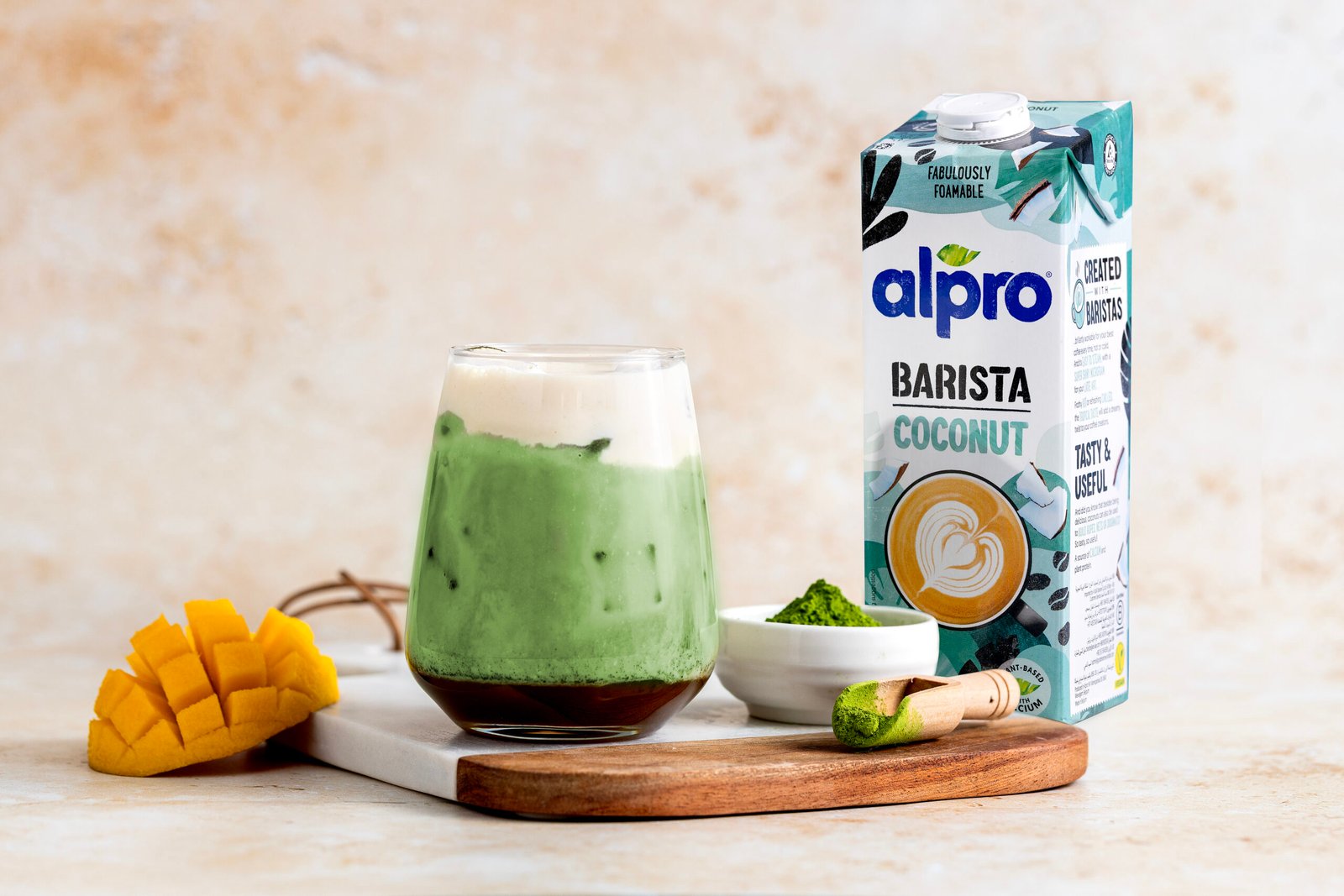
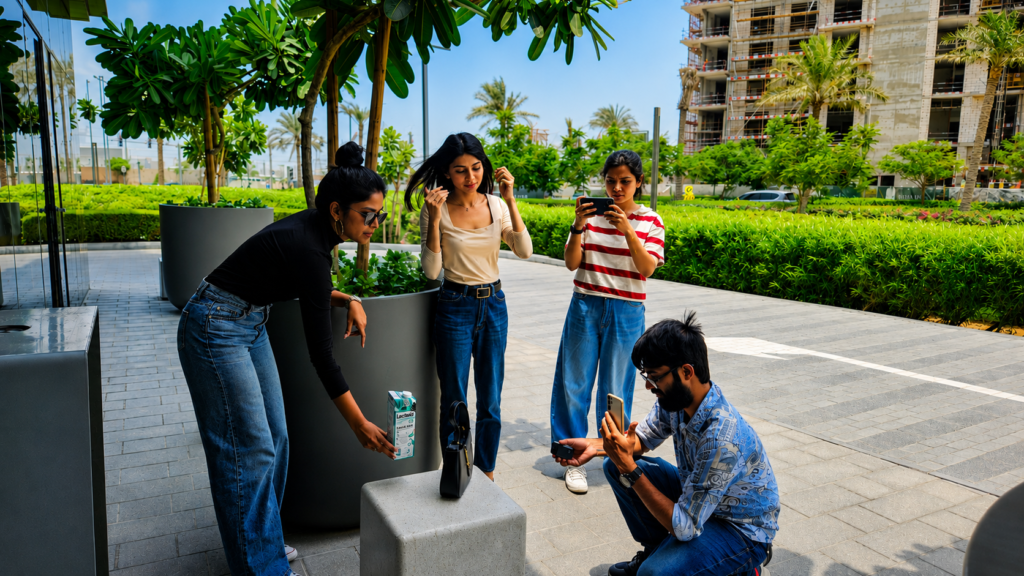
In most Dubai restaurants, the dish that arrives at the table is excellent. The kitchen is disciplined, the chef is talented, and the ingredients are sourced with real care. Yet many of these same restaurants quietly struggle to fill seats, lift their delivery numbers or justify the prices their food deserves.
The gap rarely sits in the kitchen. It sits in the few seconds before anyone tastes the food, when a customer is scrolling Instagram, comparing thumbnails on Talabat or deciding whether your storefront looks worth a tap. That decision is made almost entirely on what your food looks like online, which is precisely why food content creation in Dubai has shifted from a nice-to-have into one of the most direct levers a F&B brand has over its own revenue.
This is not a comfortable idea for operators who built their reputation on flavor and hospitality, and it can feel unfair that a beautifully cooked plate loses to a competitor with average food and a far stronger feed. But fairness is not how digital discovery works. The customer is not choosing the better meal. They are choosing the better-looking option among the choices in front of them, and in a city as visually saturated and competitive as Dubai, that option wins more often than most owners want to admit.
The New Reality of F&B in Dubai: You Sell the Photo Before You Sell the Plate
Dubai is one of the most digitally mature food markets in the world. Internet penetration in the UAE sits near 99 percent, smartphone use is close to universal, and a large share of food ordering across the wider Middle East and North Africa now happens on mobile, with industry estimates placing mobile at roughly 70 percent of delivery transactions in the region. The practical consequence is simple. Before a customer experiences your hospitality, your ambience or your signature dish, they experience your photographs. The image is the first product you sell, and the meal is the second.
This reorders the entire customer journey. A diner discovers you through a reel, a delivery thumbnail, an influencer post or a search result, and within a moment they form a judgement about quality, price and trust. That judgement is visual long before it is rational. When the visual is weak, the customer does not pause to consider that your kitchen might be exceptional. They simply move to the next option, and you never learn that you lost them. This is the quiet leak in most F&B businesses, and it is invisible precisely because the customer who scrolls past never becomes a data point you can see.
The deeper point is that visual quality now functions as a proxy for everything a customer cannot verify in advance. A sharp, appetizing, well-lit image signals that the food is fresh, the brand is established, and the experience will be worth the spend. A dim or inconsistent image signals the opposite, regardless of how good the food actually is, and in a market where customers have endless alternatives a few taps away, that signal does most of the selling.
Why Food Content Creation in Dubai Has Become a Performance Decision

It helps to separate two ways of thinking about content. The first treats content as decoration, something you produce because everyone else does and because a feed needs filling. The second treats content as a performance asset, where every image and video is built to move a specific number: orders, conversion rate, average ticket, return visits. The brands that grow in Dubai are firmly in the second camp, and the data behind their thinking is hard to argue with.
Delivery platforms have repeatedly reported that adding strong photography to a menu lifts performance in measurable ways. DoorDash has indicated that high-quality photos can increase delivery volume by around 15 percent, GrubHub has cited sales uplifts closer to 30 percent on menu pages with food photography, and Deliveroo has reported figures in a similar range. These are platform and vendor claims rather than independent peer-reviewed studies, so they are best read as directional rather than precise, and you should verify the exact impact on your own menu. Even read conservatively, though, the direction is consistent and commercially significant. A separate Google survey of around 600 consumers found that seeing a picture was rated meaningfully more important than reading the menu description or even the reviews, which tells you where attention actually goes when someone is deciding what to order.
The implication for food content creation in Dubai is straightforward. If a stronger photograph can move conversion on a single menu item, then content is no longer a branding expense to be minimized. It is a variable that sits directly inside your revenue equation, and treating it casually means leaving measurable money on the table every single day. This is the point at which most restaurants realize they have been investing in the wrong order, polishing the kitchen while neglecting the asset that decides whether anyone ever orders from it.
What Most Restaurants Get Wrong with Food Content Creation in Dubai
The most common failures are not dramatic. They are small, repeated decisions that compound into a weak commercial position over time, and almost every struggling F&B brand recognizes at least a few of them.
The first is amateur visuals. Phone photos taken under fluorescent kitchen light, shot quickly between service rushes, simply cannot carry the weight you are asking them to carry. They may show the food, but they do not sell it, and on a delivery platform where your image competes head to head with a professionally shot rival, showing is not enough. The food can be better and still lose, because the customer is comparing pictures, not plates.
The second is the absence of strategy. Many restaurants produce content reactively, posting whatever was cooked that day with no thought to which dishes drive margin, which items need a conversion push, or what the image is supposed to achieve. Content without a commercial brief is activity, not marketing. It fills a feed without moving a number, and over months it creates the illusion of effort while the business sees no return.
The third is inconsistent branding. When every post looks like it came from a different restaurant, with clashing colours, random filters and no visual signature, the brand never accumulates recognition. Recognition is what allows a customer to recognise you in a crowded feed and trust you before they have read a word. Inconsistency quietly resets that trust to zero each time someone encounters you.
The fourth is the one-time shoot. A restaurant invests once, builds a small library of images, and then runs those same photos for two years across a changing menu and shifting platform trends. Content decays. Audiences tire of repetition, platforms reward freshness, and a feed that looked current eighteen months ago now signals a brand that has stopped paying attention. This is where execution most often breaks down, because the initial intention was right but the system to sustain it was never built.
The fifth is the lack of platform optimization. The visual that performs on an Instagram reel is not the same crop, ratio or style that converts on a Talabat thumbnail or a Google listing. Treating every platform as a place to dump the same asset wastes the strengths of each one. A serious approach tailors the content to where the customer actually is and to the decision they are making in that moment.
What these mistakes share is that they are all execution gaps rather than ambition gaps. The owners want strong content. They simply lack the system, the consistency and the conversion-focused thinking to produce it reliably. This is exactly where a specialised F&B creative team changes outcomes, because the problem is rarely a lack of effort and almost always a lack of structure. A partner such as Food on Focus exists to close that structural gap, building visuals around the way customers actually decide rather than around what happens to be convenient to shoot.
Food Content Creation in Dubai: What High-Performing F&B Brands Do Differently
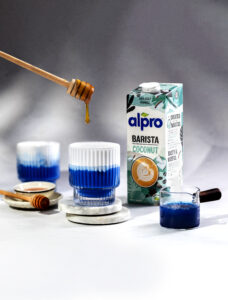
The brands that consistently win attention in Dubai are not necessarily the ones with the biggest budgets or the most famous chefs. They are the ones that treat visual content as a discipline, and a few patterns separate them clearly from the rest.
They build conversion-focused visuals. Every key image has a job, whether that is lifting orders on a high-margin dish, making a new launch feel essential, or repositioning a familiar item as something worth paying more for. The photograph is briefed against an outcome, not produced and then captioned as an afterthought. This single shift, from decoration to intent, changes how every shoot is planned.
They are relentlessly consistent. Their feed, their delivery listings and their ads share a recognisable visual language, so a customer who sees them once begins to recognize them everywhere. That consistency compounds into brand recall, and recall is what turns a one-time scroller into someone who thinks of you by name when the craving hits. Recall is also what allows a brand to spend less on each new campaign, because the audience already knows who it is looking at.
They produce platform-specific content. They understand that a vertical reel built for discovery, a clean overhead shot built for a delivery thumbnail and a lifestyle image built for brand storytelling are different tools for different jobs, and they shoot with those destinations in mind so each asset performs where it lands.
Above all, they think strategically. They plan content around launches, seasons, Dubai’s distinct dining calendar and the specific items that move the business, rather than reacting week to week. This is the difference between a feed that simply exists and a content system that actively pulls revenue. High-performing brands rarely build this capability alone, which is why so many work with a dedicated F&B creative partner focused on converting visual quality into commercial performance.
Real-World Scenarios: When Better Visuals Change the Numbers
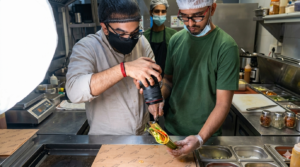
The abstract case for content becomes concrete the moment you look at how visuals behave in practice.
Consider the same dish presented two ways. A popular burger is photographed once on a phone, flat and grey, and once by a professional team with proper lighting, styling and a thumbnail built for the platform. The recipe has not changed, the price has not changed, and the kitchen has not changed. Yet the second version pulls a meaningfully higher order rate on the delivery app, because the customer scrolling the menu is comparing two images and one of them simply looks more worth buying. Nothing about the food explains the difference. The visual does all of it.
Consider pricing power. A café selling a specialty dessert at a modest price struggle to push it higher, because the existing photograph makes the item look ordinary and ordinary items resist premium pricing. After a styled shoot that frames the dessert as a crafted, signature experience, the same item can carry a higher price without resistance, because the visual now justifies the number. Strong content does not just sell more units. It expands the range of prices a customer will accept, which flows straight to margin rather than just volume.
Consider advertising. Two restaurants run paid campaigns with identical budgets and targeting. One uses weak creative, the other uses content engineered for the feed, with a strong hook in the opening frame and a clear, appetizing payoff. The second restaurant earns a lower cost per result and a higher return on ad spend, not because it spent more but because the creative carried more of the work. In paid media, the creative is the largest lever you control, and weak visuals quietly inflate the cost of every campaign you run.
In each scenario the pattern repeats. The product stayed the same and the visual changed the outcome. That is the core argument for taking food content creation in Dubai seriously, and it is the reason a specialized creative partner is measured by business results rather than by how attractive the images look on their own.
Why This Matters for Your F&B Brand’s Growth
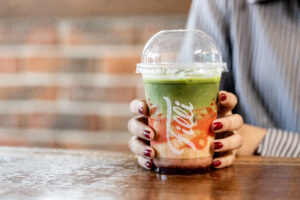
When you connect these threads, the impact of content spreads across the entire business rather than sitting in a marketing silo.
It affects orders, because stronger thumbnails and feeds pull more taps, more add-to-carts and more completed checkouts on the platforms where most Dubai food spending now happens. It affects conversion rates, because the same traffic converts at a higher rate when the visual removes hesitation instead of creating it. It affects pricing power, because content that frames your food as premium lets you hold or raise prices without losing demand, which protects you from the discount trap that erodes so many F&B margins. It affects brand perception, because consistent, high-quality visuals make a brand feel established and trustworthy, which shortens the distance between discovery and decision. And it affects platform visibility, because engaging, fresh, well-optimized content is rewarded by the very algorithms that decide who gets seen and who disappears.
The compounding effect is what makes this strategic rather than cosmetic. Better content lifts conversion, higher conversion improves your standing with the platforms, stronger platform performance brings more visibility, and more visibility brings more orders. Weak content runs the same loop in reverse, slowly and invisibly, which is why so many brands feel stuck despite working hard. They are not lacking effort. They lack the asset that would let their effort convert.
When Should You Work With an F&B Creative Agency

Not every restaurant needs a creative partner at every moment, but certain situations make the case clear and recognizing them early saves both money and momentum.
A launch is the most obvious. You only get one first impression in a market as fast-moving as Dubai, and entering with weak visuals wastes the attention a launch naturally attracts. A rebrand is another, because if you are repositioning your concept, your prices or your audience, your visuals have to lead that shift rather than lag behind it. Customers believe what they see, so the new direction has to be visible before it can be credible.
Scaling is a third. Opening new locations, expanding into delivery or moving into a cloud kitchen model multiplies your content needs and demands a consistency that ad-hoc shooting cannot sustain. Without a system, every new outlet dilutes the brand instead of strengthening it.
Persistently low conversions are a clear signal. If you have traffic but weak order rates, or strong food but disappointing delivery performance, the visual layer is one of the first places to investigate, because it is so often the hidden cause. Poor ad performance is the final flag. If campaigns underdeliver despite reasonable budgets and targeting, the creative is usually the bottleneck, and no amount of media spend fixes weak content.
In each of these moments the common need is the same. You require visuals built deliberately around business outcomes, produced consistently and optimized for the platforms that matter in this market. That is the specific role Food on Focus is built to play, working as a growth partner focused on conversions and performance rather than as a photography service that simply hands over a folder of images and disappears.
Frequently Asked Questions
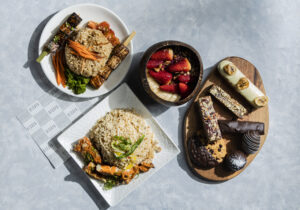
Why is food photography important for restaurants in Dubai? Because customers decide where to eat or order from based on what they see before they ever taste your food. In a mobile-first, highly competitive market, your photograph is the first product you sell. Strong visuals build trust, signal quality and pull orders, while weak ones quietly send customers to competitors.
Does food content creation actually increase orders? The evidence points strongly in that direction. Major delivery platforms have reported order and sales uplifts from adding professional photos, often in the range of roughly 15 to 35 percent depending on the platform. These are platform-reported figures rather than independent studies, so treat them as directional and worth testing on your own menu, but the consistent pattern is that better visuals lift conversion.
How much does food content creation cost in Dubai? Cost varies widely depending on scope, shoot frequency, video requirements and the level of strategy involved, so any single figure would be misleading. The more useful question is return rather than price. A shoot that lifts conversion, supports higher pricing and improves ad performance is measured against the revenue it generates, not against its invoice. Ask a prospective partner to frame their work around business outcomes.
How can I improve my delivery platform conversions? Start with platform-specific, conversion-focused visuals rather than reused social images. Use clean, appetizing thumbnails optimized for the exact crop and context of each platform, keep your highest-margin and signature items visually strong, and refresh content regularly rather than running the same images for years. Consistency and optimization usually matter more than volume.
Does my restaurant really need branding, or just good photos? You need both, and they work together. Good photos win the individual decision, while consistent branding makes customers recognize and trust you across every touchpoint, which is what builds recall and reduces how much you have to spend to win each new customer. Photography without branding produces scattered attention. Branding without strong photography produces a coherent look that still fails to convert.
A Final Audit Before You Spend Another Dirham on Marketing
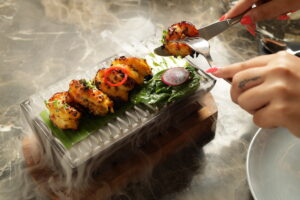
Before you increase your ad budget, launch another discount or wonder why a strong kitchen is not translating into strong numbers, take an honest look at your own visuals. Open your Instagram, your delivery listings and your latest campaign beside your toughest competitor in Dubai and ask yourself a simple question. If you were the customer scrolling, comparing thumbnails and deciding in a second, would you choose your food or theirs based on the image alone? If the answer is anything other than a confident yes, your visuals are likely costing you revenue you cannot currently see.
That audit is where real growth usually begins, because it shifts the conversation from how good your food is to how well your food is actually being sold. If you want a clear, experienced view of where your content is helping you and where it is quietly leaking orders, Food on Focus can review your current visuals and show you exactly what stronger food content creation in Dubai could do for your conversions, your pricing and your growth.