
In Dubai’s hyper-competitive dining scene, where visuals drive every decision, hiring professional food photographers in Dubai is no longer a luxury—it’s a core business strategy. High-quality images directly shape how customers see your brand, whether they find you on Zomato, Instagram, or Talabat. It’s the critical first impression that turns a casual scroller into a paying customer.
Why Your Restaurant Needs More Than Great Food
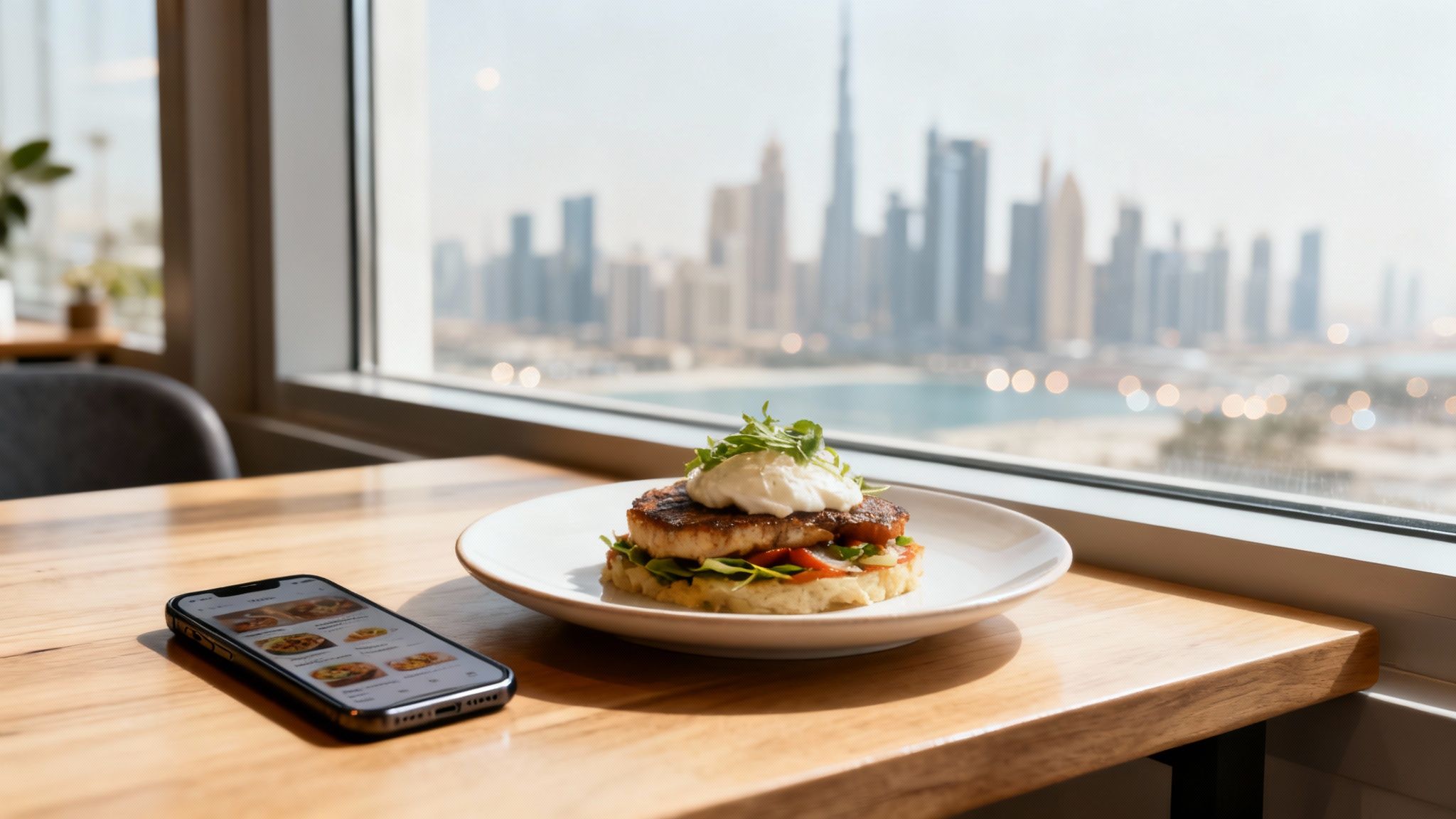
In a city with literally thousands of places to eat, your restaurant’s survival depends on grabbing attention long before a potential customer ever tastes your food. The battle for diners is won online, and your most powerful weapon is visual appeal. Amateur photos, no matter how delicious the dish is in real life, often scream “low quality” online, killing clicks and orders before they even happen.
This is where professional food photographers in Dubai become an essential part of your marketing team. They’re visual storytellers who know how to translate the flavour, texture, and aroma of your best dishes into a single, compelling image that makes people hungry.
First Impressions Are Formed Online
Think about how people decide where to eat. It nearly always starts with a search on an app or social media. When someone is scrolling through a list of restaurants, what makes them stop? It’s the hero image—that one vibrant, professionally shot photo that makes their mouth water.
Take a new cloud kitchen in a crowded area like Jumeirah Lakes Towers (JLT). With no physical storefront, its entire brand identity and customer base rests on its digital presence. DIY photos snapped on a phone might show the food, but they fail to communicate professionalism or build trust. This almost always leads to weak engagement and disappointing order numbers.
But investing in a professional shoot completely changes the game. A skilled photographer uses expert lighting, composition, and styling to create scroll-stopping images that signal quality and care from the first glance.
A professional food photographer doesn’t just take pictures of your menu; they craft a visual identity that builds brand trust, enhances perceived value, and directly influences purchasing decisions.
The Tangible Impact on Your Business
The return on investment from professional photography is real, measurable, and significant. These visuals aren’t just for looking pretty; they are powerful conversion tools. Here’s how they directly boost your bottom line:
- Increased Orders on Delivery Platforms: On apps like Talabat and Zomato, restaurants with superior images consistently get higher click-through rates and more orders. Your photos are competing side-by-side against dozens of others on the same screen.
- Enhanced Social Media Engagement: Platforms like Instagram are visual-first. Striking food photography gets more likes, shares, and saves, which expands your organic reach and helps build a loyal community around your brand.
- Higher Perceived Value: Professional photos simply make your food look more desirable. This allows you to command better pricing and reinforces a premium brand image. Customers are far more willing to pay for a dish that looks like it was expertly prepared and presented.
Ultimately, partnering with the right food photographers in Dubai is a direct investment in your restaurant’s profitability and long-term success. You can explore more about why professional food photography in Dubai is worth the investment in our detailed guide. It’s all about making sure the visual story you tell is just as exceptional as the food you serve.
How To Evaluate A Food Photographer’s Portfolio
Flicking through a portfolio from a potential food photographer in Dubai is about way more than just finding ‘pretty pictures.’ You need to get under the hood of their work, looking for technical chops, artistic flair, and a style that actually clicks with your brand. Think of it as a visual interview where their past projects do all the talking.
The first thing to zero in on is lighting. Food has texture, sheen, and shadows that make it look real and delicious. A great photographer knows exactly how to bend light—whether it’s the soft, natural glow from a café window or a moody, dramatic studio setup—to make a dish pop.
Look for a portfolio that shows they can handle different lighting scenarios. Can they make a dark, intimate steak dinner look just as tempting as a bright, airy brunch spread? That kind of versatility is a huge clue that you’re dealing with a real pro.
Look Beyond The Hero Shot
Every photographer will show you their absolute best ‘hero’ shots—those single, perfect images. But the real story is in the depth and consistency of their portfolio. One jaw-dropping photo of a burger is nice, but what about the fries, the drinks, or even the simple garnish? You need someone who can make everything on your menu look compelling.
Dig into their portfolio and check for consistency across different kinds of restaurants.
- Fine Dining: Do their shots feel elegant and precise? Look for clean compositions and sophisticated styling that screams quality.
- Casual Cafes: Can they capture that relaxed, cosy vibe that makes you want to drop in for a coffee and a croissant?
- Cloud Kitchens: Are the photos bright, clean, and punchy enough to grab attention on a crowded delivery app?
A portfolio that nails these different settings shows they can adapt, which is non-negotiable in Dubai’s dynamic F&B scene. This is how you spot a true specialist whose eye aligns with your vision.
The aim here is to find a photographer whose style feels like a natural extension of your brand, not something cookie-cutter. The images should look like your food, in your space, telling your unique story.
Technical Skills And Storytelling
Once you’ve got a feel for their lighting and consistency, it’s time to zoom in on the details. Composition isn’t just about sticking a plate in the middle of the frame. It’s about leading the viewer’s eye, creating balance, and telling a mini-story in every shot.
Look for interesting angles, smart use of negative space, and a clear focal point. Do the images make you feel like you’re right there, about to take a bite? That’s what great composition does. Editing is just as crucial. The colours should be vibrant and true-to-life, making the food look fresh and appetising—not weirdly saturated or fake.
The best photographers can make even a simple plate of hummus look like a work of art. For more on what makes certain dishes pop on camera, check out our guide on how to choose the right dish for a photoshoot.
Finally, step back and look at the overall narrative. Does the portfolio feel like a random collection of food pics, or does each project tell a brand’s story cohesively? The strongest portfolios show an ability to build a full visual world for a client, from hero shots to lifestyle moments and detailed close-ups. That storytelling skill is what separates a good photographer from a great one.
Portfolio Red Flags vs Green Flags
To make it even simpler, here’s a quick cheat sheet. Use this table to instantly spot the good, the bad, and the just-not-right-for-you when you’re reviewing portfolios.
| Attribute | Green Flag (What to Look For) | Red Flag (What to Avoid) |
|---|---|---|
| Lighting | Versatile; handles both natural and studio light well. Food has depth. | Flat, harsh, or unnatural lighting. Overuse of flash. |
| Consistency | Strong, cohesive style across an entire project, not just one shot. | Only single “hero” shots. Inconsistent quality from one photo to the next. |
| Styling | Food looks appetising and natural. Props enhance the story, not distract. | Messy, unappetising food. Overly styled, fake-looking dishes. |
| Composition | Dynamic angles, clear focal points, and good use of space. | Boring, centered shots. Cluttered backgrounds that distract from the food. |
| Editing | Colours are vibrant but realistic. Editing enhances, not overpowers. | Over-saturated, unnatural colours. Heavy filters or trendy presets. |
| Storytelling | You get a clear sense of the restaurant’s brand and atmosphere. | Photos feel generic; could be from any restaurant, anywhere. |
Think of this as your quality-control checklist. A portfolio full of green flags means you’re likely talking to a professional who understands how to create images that don’t just look good, but also drive business. Too many red flags? It’s probably best to keep looking.
Crafting A Creative Brief That Delivers Results
An amazing photoshoot with the best food photographers in Dubai doesn’t just happen. It’s born from a rock-solid creative brief. Think of this document as your roadmap—it’s how you translate the vision in your head into a clear, actionable plan for the photographer. Without it, you’re basically winging it, risking images that miss the mark and wasting a whole lot of time and money.
The brief is your contract of understanding. It’s where you get specific about what you need, from the overall mood down to the exact dishes that need to be in the spotlight. A detailed brief kills guesswork, prevents frustrating back-and-forths, and makes sure the final photos actually match your marketing goals. It is, without a doubt, the most important document you’ll create for the shoot.
Ultimately, you want to give your photographer everything they need to knock it out of the park before they even pick up the camera. A good brief is what separates a decent photoshoot from a truly great one.
Defining Your Core Objectives
Before you start dreaming up shot lists or pinning images to a mood board, stop and ask one crucial question: What is the primary purpose of these photos?
Your answer will shape every single decision that follows, from the photography style to the final file formats you receive. Are you giving your entire Talabat menu a facelift? Or are you launching a slick Instagram campaign for a new dessert? The requirements are worlds apart.
Different platforms have completely different appetites.
- Social Media: This needs variety. Think vertical shots for Reels and Stories, vibrant carousel images that tell a story, and lifestyle photos that feel authentic. The goal here is to stop the scroll and get people engaging.
- Website Banners: These are your digital billboards. You’ll need high-resolution, landscape-oriented images with a clear focal point and enough negative space for text overlays.
- Print Menus: This is all about clarity and consistency. You need clean shots of every single dish, usually against a simple background so the food is the hero and customers know exactly what they’re ordering.
- Advertising Campaigns: These are often more conceptual. You’re not just showing a dish; you’re selling a feeling—luxury, comfort, family fun. These visuals need to tell a story and pack a punch.
Getting this clear from the start ensures the photographer captures images that aren’t just beautiful, but are functional and fit for purpose. It’s this strategic thinking that lays the groundwork for success.
Building The Perfect Shot List
Your shot list is the nitty-gritty checklist for the photoshoot. It’s more than just a list of dishes; it’s a breakdown of what shot you need and where you’ll use it. A vague list creates chaos on set, but a specific one ensures every marketing need is covered with precision. Don’t be afraid to get granular—the more detail, the better.
A killer shot list should cover a mix of these categories:
- Hero Dish Shots: These are your showstoppers. We’re talking about your signature burger, that stunningly plated pasta, or the dessert everyone talks about. These images need to be flawless, captured from several perfect angles.
- Ingredient Close-Ups: Get in close on the details—fresh herbs, a luscious sauce drip, or perfectly melted cheese. These shots add texture and a “behind-the-scenes” vibe, screaming quality.
- Lifestyle & In-Context Shots: Show your food being enjoyed! A hand reaching for a slice of pizza, a coffee cup next to a laptop, or a group of friends sharing a platter. These images tell a story and make your brand feel human and relatable.
- Flat Lays & Table Scapes: These are the beautiful overhead shots of several dishes arranged on a table. They’re gold for social media banners and website galleries, showing off the variety you offer.
Your shot list isn’t just a to-do list; it’s a strategic plan to acquire a complete library of visual assets. A great photographer will use this list to plan their lighting, props, and schedule for maximum efficiency on shoot day.
Creating An Inspiring Mood Board
While the shot list is the “what,” the mood board is the “how.” It’s a visual collection of images that communicates the exact look and feel you’re going for. This is where you set the vibe. Are you bright, airy, and fresh? Or dark, moody, and dramatic? A mood board gives your photographer a clear visual reference that’s far more powerful than words alone.
Use a tool like Pinterest or even a simple slide deck to pull together your inspiration. Include examples of lighting, composition, colour palettes, and prop styling that you absolutely love. Just as importantly, throw in a few images of things you don’t like. This helps the photographer understand your no-go zones. To get an inside look at how F&B agencies tackle this, learn more about our content production process, where the brief is the foundation of everything we do.
Remember, your mood board should be a guide, not a rulebook to be copied. It gives your food photographer in Dubai the creative direction they need while leaving them the artistic freedom to bring their own expertise to the table. The result? Photos that feel uniquely yours.
Preparing For A Flawless Photoshoot Day
The difference between a chaotic, stressful photoshoot and a seamless, productive one comes down to one thing: planning. You’ve got your creative brief sorted, and now it’s time to handle the logistics. A great shoot day with the best food photographers in Dubai isn’t just about showing up; it’s built on organised teamwork, from your kitchen right through to your marketing team.
This is where your vision becomes a reality. The goal is simple: create an environment where the photographer can focus completely on capturing stunning images, backed by a well-prepped team and perfectly presented dishes. Every minute you save through good planning is another minute they can spend getting that perfect shot.
When the camera comes out, you want the entire process to flow smoothly. Proper preparation respects everyone’s time and, most importantly, your investment.
The flow diagram below recaps the core process we covered when building your creative brief—moving from the mood board to a concrete shot list that serves your business goals.
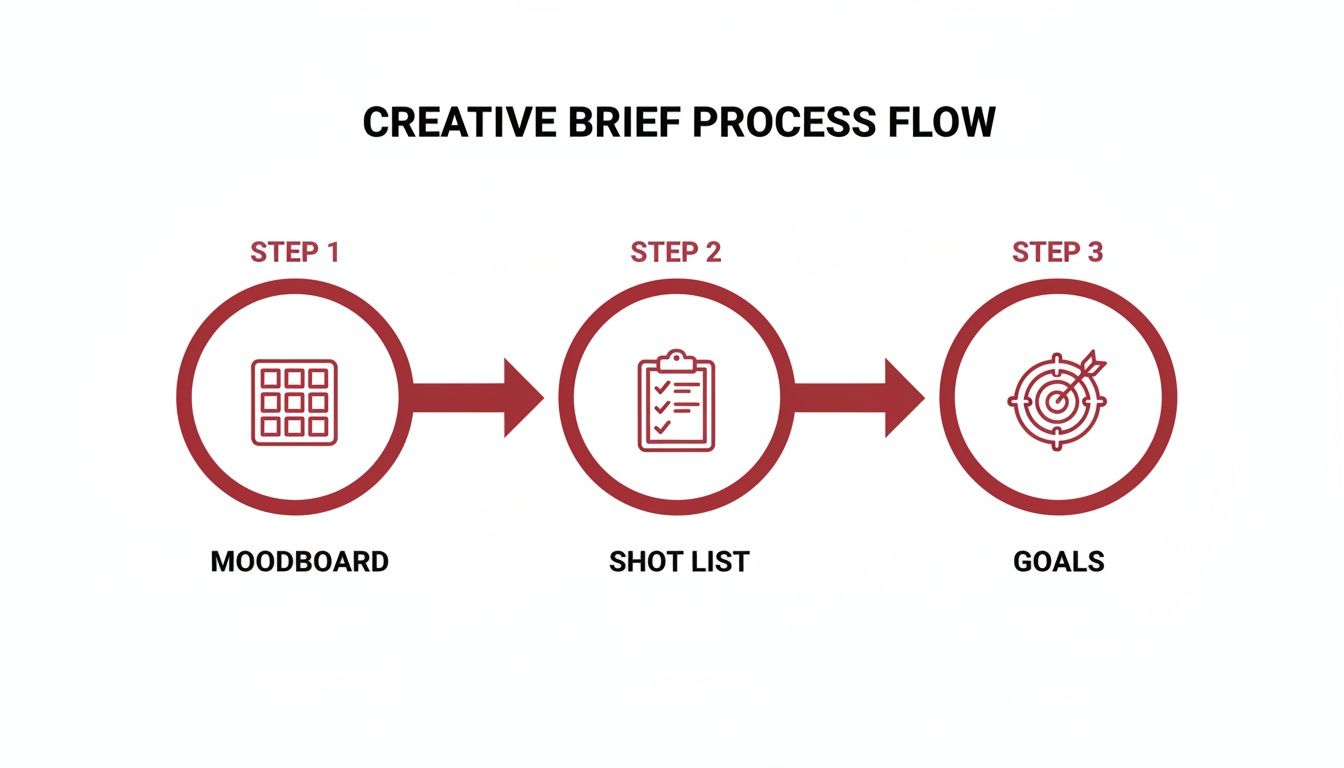
Think of this as your roadmap. It ensures every decision made on shoot day is strategic and aligns perfectly with your marketing objectives.
Mastering Food Preparation And Styling
Your food is the star of the show, but it can be a bit of a diva. It wilts, it melts, and it loses its vibrancy under hot studio lights. The secret to keeping dishes camera-ready is a mix of culinary skill and a few clever styling tricks, and your chef’s team is at the heart of it all.
Make sure you share the shot list with the kitchen well in advance. They need to know not just what to prepare, but in what order. Dishes should be cooked about 75% of the way through. This keeps them looking firm and fresh on camera, preventing that sad, overcooked look.
A common mistake is fully cooking the food as if you’re serving it to a customer. A camera picks up details the naked eye misses, and slightly undercooked food holds its structure, colour, and texture much better under the lens.
Here are a few tricks to keep your dishes looking their best:
- Herbs and Greens: Keep delicate herbs like coriander and parsley in ice water right up until the moment they’re needed. This makes them pop with colour and look incredibly crisp.
- Sauces and Drizzles: Have your sauces ready to go in squeeze bottles. This allows for precise, clean application just before the photographer is ready to shoot. A light spritz of water or a quick brush of oil can also bring a dish back to life if it’s been sitting out.
- Meats: Meats should be seared for that beautiful colour but left rare on the inside. This stops them from drying out and shrinking during a long shoot.
Hiring a professional food stylist can be a total game-changer. Your chef is an expert in flavour, but a stylist is an expert in making food look flawless on camera. They come with a kit full of tricks—from glycerin for creating fake condensation to tiny tweezers for placing a single sesame seed perfectly. It’s these small details that can elevate your photos from good to absolutely exceptional.
Selecting Props And Backgrounds
Props, tableware, and backgrounds are the supporting cast for your hero dishes. They add context, texture, and personality, helping to tell your brand’s story without ever overshadowing the food. The key is to choose elements that are perfectly aligned with your mood board and your restaurant’s identity.
Think about your brand. Are you a rustic Italian trattoria? Textured wooden boards, simple ceramic plates, and earthy linen napkins would feel right at home. Or are you a sleek, modern Japanese spot? Then you’d lean towards minimalist dark slate, clean lines, and geometric backgrounds.
A few things to keep in mind when choosing props:
- Colour Palette: Stick to the colours you defined in your creative brief. Your props should complement the food, not fight with it for attention.
- Size and Scale: This is a classic trick: use smaller plates and bowls than you normally would for service. It makes the portion of food look more generous and heroic in the frame.
- Authenticity: Choose props that feel genuine. Avoid anything that looks cheap or out of place, as it can instantly cheapen the look of your beautiful food.
Try to create a “prop library” before the shoot. Gather all the potential plates, cutlery, glasses, napkins, and surfaces in one place. This lets the photographer and stylist experiment on the day without scrambling to find the right piece, which saves a huge amount of time.
Organising Shoot Day Logistics
A well-structured schedule is the backbone of any successful shoot. Work with your photographer to map out a realistic timeline based on your shot list. It’s always a good idea to group similar shots together to minimise how often you need to change the lighting and camera setups. For example, shoot all your flat lays at once, then move on to the lifestyle shots.
Make sure everyone on your team has a clear role.
- The Point Person: Designate one person from your team (usually a marketing manager) as the main point of contact. This person is responsible for approving shots and making final calls, which prevents confusion and keeps things moving.
- Kitchen Lead: Your chef or a senior cook should be dedicated to the photoshoot, preparing dishes according to the schedule you’ve laid out.
- Support Staff: It’s always helpful to have an extra pair of hands available to help with cleaning, moving props, or running quick errands.
Finally, make sure the shooting space is prepped and ready before the photographer arrives. This means clearing the area, checking that power outlets are accessible, and having all your props and ingredients organised. A smooth workflow is a team effort, and this preparation allows the food photographer in Dubai you hired to focus on what they do best—creating incredible images for your brand.
Understanding Photography Pricing And Usage Rights
Let’s talk about the money side of things. Navigating the financial part of a creative partnership can feel a bit awkward, but getting it right from the start is absolutely crucial. It protects your investment and makes sure the whole collaboration runs smoothly.
When you hire one of the top food photographers in Dubai, you’re not just paying for a few hours of their time on shoot day. You’re investing in their expertise, their expensive gear, their artistic eye, and years of experience. A clear, upfront conversation about costs, what’s included, and what you can legally do with the final images prevents a world of headaches later on.
Decoding Photography Packages And Costs
Pricing isn’t just a random number pulled from thin air. It’s a reflection of the photographer’s skill, the complexity of your shoot, and the value those images will bring to your restaurant.
In Dubai’s buzzing food scene, costs can range from AED 1,500 to 4,400 for a typical 3-4 hour shoot that covers around 10 dishes. That breaks down to about AED 150-440 per dish. You can get a better sense of what these costs cover by exploring insights into food photography costs.
A standard package will almost always include:
- A pre-production chat to go over the brief and map out the shoot.
- A set number of hours for on-site photography.
- Professional lighting and camera equipment (this stuff isn’t cheap!).
- A specific number of professionally edited, high-resolution images.
- Basic usage rights for specific platforms, which we’ll dive into next.
Keep an eye out for what might cost extra. Things like hiring a professional food stylist, sourcing specialised props, or needing extensive retouching beyond the standard edits will usually be add-ons. Always, always ask for a detailed quote that breaks down every single cost. No surprises is the goal here.
The Critical Importance Of Image Licensing
This is probably the most misunderstood part of hiring any photographer. When you pay for a photoshoot, you are not buying the photos themselves. You are buying a licence to use those images in specific ways, for a specific period. The photographer nearly always keeps the copyright to their work.
Think of it like music. You can buy a song to listen to on your phone, but you can’t just stick it in a TV commercial without paying for a completely different—and more expensive—licence. Image rights work the exact same way.
Getting this wrong can lead to serious legal issues and unexpected bills down the road. It’s vital to have this discussion before the shoot and get it all down in writing.
Negotiating The Right Usage For Your Needs
Before you sign on the dotted line, be crystal clear about where and how you plan to use the images. This directly impacts the licensing fee. Different uses have different values, so you need to secure the right permissions for your marketing plans.
Here are the most common types of usage rights you’ll come across:
- Social Media: This is the most basic licence, covering rights to post the images on your brand’s Instagram, Facebook, and other social channels.
- Website & Digital Menus: This gives you permission to use the photos on your own website, blog, and on delivery platforms like Talabat or Zomato.
- In-Venue Print: This covers using the images for your physical menus, flyers, and posters displayed inside your restaurant.
- Paid Advertising: This is a much broader and more expensive licence. It allows you to use the images in digital ads (like Google or paid social media ads) or in print ads like magazines and newspapers.
- Retail Packaging: If you plan to use a photo on a product you sell in-store, this requires a very specific commercial licence.
Be upfront about everything you have in mind. If you think there’s even a small chance you might want to use a photo for a huge billboard ad a year from now, bring it up from the start. It’s almost always cheaper to negotiate a broader licence upfront than to go back and ask for an extension later.
If you need tailored advice on your specific project needs, a consultation with F&B experts can give you clarity on exactly what to ask for.
Turning Your New Photos Into More Customers
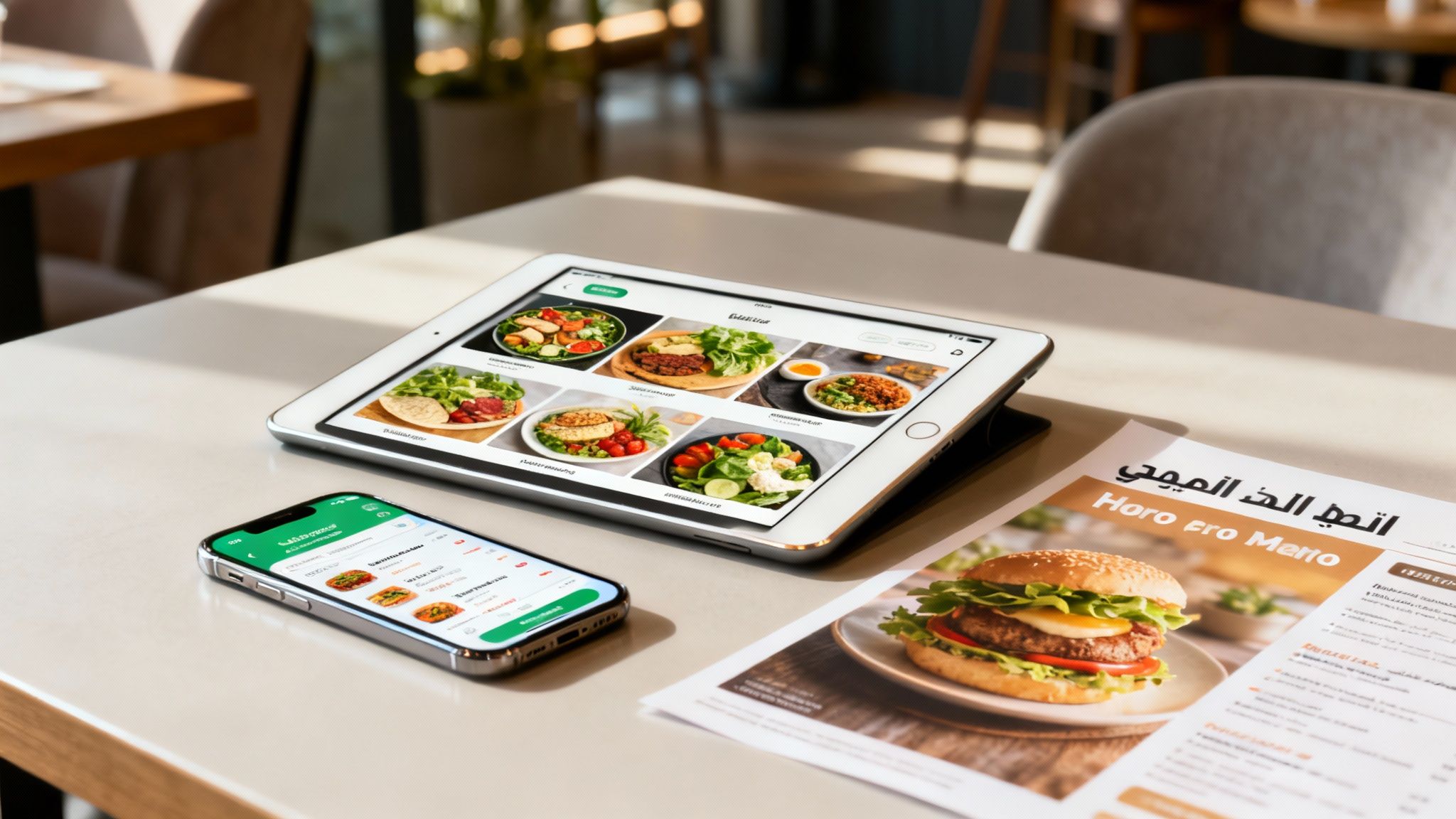
The real work starts the moment your photographer delivers that final gallery of images. It’s one thing to have a folder full of stunning photos; it’s another to turn them into actual business growth. This is where your investment in one of the best food photographers in Dubai truly pays off—by getting more diners in the door, boosting online orders, and cementing your brand’s reputation.
These images are powerful tools built for action. They need to be put to work strategically across every place a customer might find you, from a casual scroll on Instagram to the final decision on a delivery app. Let’s break down how to make your new visuals work as hard as you do.
Supercharge Your Social Media Presence
Think of your social media feed as your digital storefront. Your new photos are the ultimate window display, designed to stop people in their tracks. It’s time to go beyond just posting a single picture with a generic caption. You need a content rhythm that keeps your audience engaged and, more importantly, hungry.
- Create Compelling Carousels: Don’t just show the final dish. A carousel lets you tell a story. Lead with the “hero shot,” follow it up with a close-up on a key ingredient, a lifestyle shot of it being enjoyed, and maybe even a quick video of your chef plating it.
- Transform Stills into Reels: High-quality images are perfect for creating dynamic video content. A simple slideshow set to trending audio, a “zoom and reveal” of a signature dish, or a rapid-fire montage of your best menu items can get you massive reach.
- Refresh Your Profile: Your profile picture and story highlights are prime real estate. Update them with your absolute best shots to make an immediate impact on anyone landing on your page for the first time.
This isn’t just about posting pretty pictures. It’s about creating an immersive visual experience that makes followers feel like they’re already sitting at one of your tables.
Optimise Your Delivery App Menus
For a huge number of customers in Dubai, your menu on Talabat, Deliveroo, or Zomato is your restaurant. In this crowded digital food court, visuals are everything. It’s no secret that restaurants with high-quality photos for every single menu item see a major lift in orders.
Go through your delivery profiles one by one. Replace any old, blurry, or missing images with your new professional shots. Make sure they are bright, clear, and accurately show what the customer is going to get. This consistency builds trust and cuts down on the hesitation that leads to abandoned carts.
Your delivery app menu is a direct sales tool. Every dish without a professional photo is a missed opportunity for a conversion. Make your menu as visually appealing as possible to stand out from the competition just a scroll away.
This simple update can be one of the fastest ways to see a return on your photography investment. You are literally making your food look more delicious at the exact moment a customer is deciding what to order.
Revitalise Your Website And Digital Brand
Your website is the home for your brand’s story, and your new photo library is the perfect tool to tell it. A website refresh doesn’t have to mean a complete overhaul; strategically updating your visuals can breathe new life into your online presence.
Start with the areas that make the biggest impact:
- Homepage Banner: Your hero image is the first thing visitors see. Swap out the old one for a stunning new shot that captures the entire vibe of your dining experience.
- Gallery Page: Create a dedicated, beautifully curated gallery showing off your best food, interior, and lifestyle photos. This builds credibility and shows potential diners your full range.
- Online Menus: Just like with delivery apps, make sure your website menu has a professional photo for every item. This helps with both online ordering and encouraging table bookings.
By using these high-quality visuals consistently across all your platforms, you create a cohesive, professional brand image. It tells customers you care about quality in everything you do—from the food on the plate to the pixels on their screen. To dive deeper into building a complete visual strategy, our guide on working with a restaurant marketing agency in Dubai offers more insights.
At Food On Focus Media, we don’t just take pictures; we create visual assets that drive business results. From scroll-stopping photography to cinematic videography, our team of F&B experts helps Dubai’s restaurants, cafes, and cloud kitchens turn their culinary visions into conversion-ready content. Discover how we can help you at https://www.foodonfocus.com.
Crafted with the Outrank app