Why Choosing the Right Dish Matters
We’ve all scrolled through our feeds, stopped mid-scroll, and felt our stomachs grumble at a photo or video of food. That’s the magic of food photography and videography: it can turn a simple dish into a craving, a scroll-stopper, a shareable moment.
But here’s the catch, not all dishes look amazing on camera. Some practically demand the spotlight, while others need a little extra love to shine. Choosing the right dish for your shoot is the first step toward creating content that makes mouths water and thumbs stop scrolling.
In this guide, we’ll show you which foods work best, which need a little styling magic, and how to make everything from pasta to cocktails irresistible on screen.
1. Pasta & Saucy Comforts, The Crowd-Pleasers
There’s a reason pasta is a star on social media: it’s photogenic, versatile, and universally loved. Whether it’s twirled spaghetti or creamy fettuccine, the glossy sauce and flowing strands practically beg for slow-motion shots.
Why it works:
- Texture and shine catch the light beautifully.
- Twirls, lifts, and drizzles create motion and drama.
Tips for shooting pasta:
- Twirl with a fork or spoon for movement.
- Keep sauces glossy with a light brush of oil or water before shooting.
- Garnish with fresh herbs or cheese for color contrast.
Examples: Spaghetti Bolognese, creamy alfredo, penne arrabbiata, pesto linguine.
2. Stews, Curries & Casseroles, The Makeover Dishes
Dark, hearty dishes like stews and casseroles are tricky, they can look heavy or flat on camera. But with a little styling magic, they can still be mouthwatering.
Why it’s tricky:
- Monotone colors can appear dull.
- Thick textures don’t always translate well in photos.
Styling tips:
- Add fresh herbs (cilantro, parsley, microgreens) for color pop.
- Use contrasting props: rustic bread, colorful bowls, or patterned napkins.
- Highlight steam with backlighting, it instantly says hot and fresh.
Examples: Beef stew, lentil curry, baked moussaka, dal tadka.
3. Desserts, The Natural Show-Stoppers
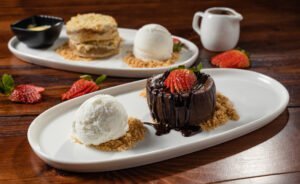
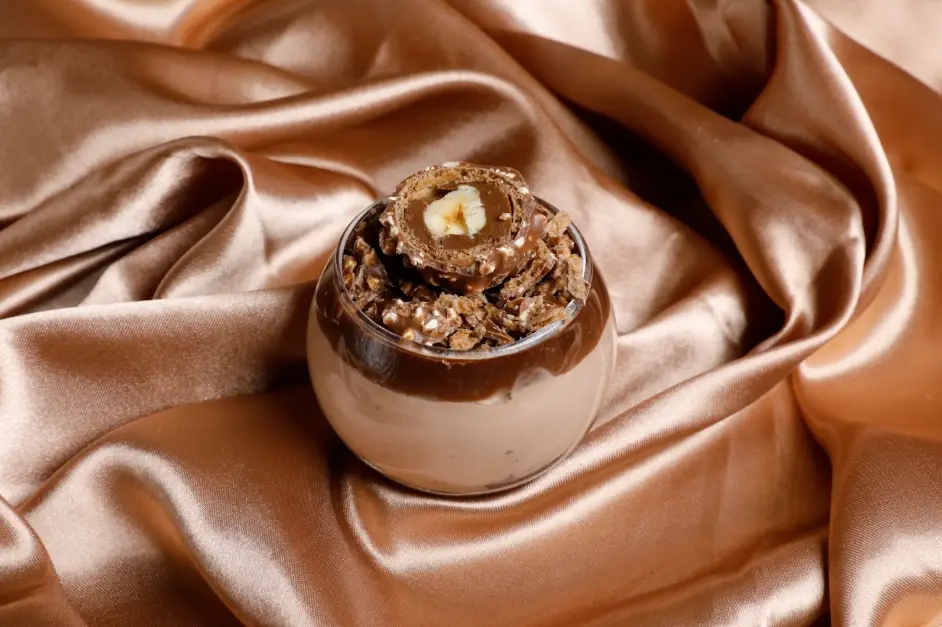
Desserts are the drama queens of food videography. Melting, dripping, or oozing desserts practically sell themselves on camera.
Why they work:
- Built-in motion: chocolate drips, ice cream melts, sauces pour.
- Color and texture make them irresistible.
Pro tips:
- Capture drips, pours, or melting moments in slow motion.
- Add vibrant fruits or nuts for visual contrast.
- Stack layers or sprinkle powdered sugar for extra appeal.
Examples: Lava cake, brownies, molten chocolate, cheesecakes with berry drizzle.
4. Fresh & Colorful Foods, The Camera’s Best Friends

Bright, fresh ingredients instantly attract attention. Salads, poke bowls, and smoothie bowls are visually appealing and signal health and quality.
Why they work:
- Vibrant colors pop on camera.
- Layered textures create depth and interest.
Tips:
- Layer ingredients to show variety.
- Add seeds, edible flowers, or citrus slices for extra pop.
- Keep vegetables crisp and fruits fresh to avoid dull shots.
Examples: Rainbow salad, poke bowl, smoothie bowl, avocado toast.
5. Meats & Grilled Dishes, The Sizzle Factor
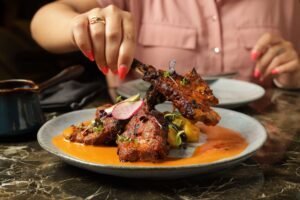
Juicy, textured meats are irresistible when styled right. Grill marks, glazes, and fat marbling give a sense of flavor and indulgence.
Tips for shooting meats:
- Highlight grill marks and sear lines.
- Show juices or slices being cut for a mouthwatering effect.
- Use side lighting to emphasize texture.
Examples: Steak, lamb chops, grilled chicken, kebabs.
6. Breakfast & Brunch, Light, Playful, Relatable
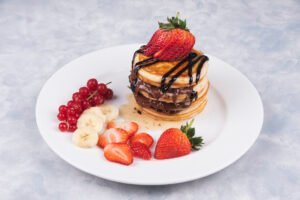
Breakfast foods are comforting, casual, and perfect for lifestyle shots. They’re fun to plate and easy to shoot with natural lighting.
Tips:
- Stack pancakes, drizzle syrup in slow motion.
- Show eggs being cut to capture runny yolks.
- Add props like mugs, napkins, or fruit slices for a cozy vibe.
Examples: Pancakes, sunny-side eggs, croissants, avocado toast.
7. Drinks, Crisp, Refreshing, Cinematic

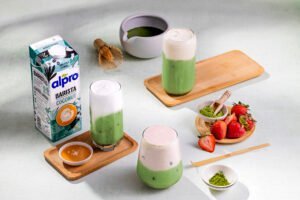
Beverages bring sparkle, movement, and a refreshing vibe to your feed. They also work great as filler or transitional shots.
Tips:
- Show pour shots or fizzing drinks.
- Ice cubes and condensation instantly communicate coldness.
- Layer colors in cocktails or mocktails for visual appeal.
Examples: Iced coffee, mocktails, smoothies, cocktails.
8. Street Food & Handhelds, Relatable & Fun
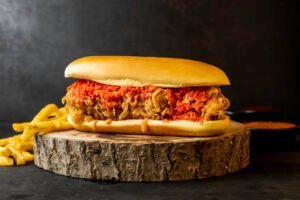
Burgers, wraps, and tacos are approachable and easy for your audience to relate to. Action shots, like bites, cheese pulls, or sauces dripping—work wonders.
Tips:
- Show cross-sections of wraps or burgers.
- Capture the “bite moment” for maximum relatability.
- Use natural lighting to keep textures vibrant.
Examples: Burgers, tacos, shawarma, wraps.
Final Rules of Thumb for Mouth-Watering Food Videography
As we wrap up this deep dive into the art of filming irresistible food content, it’s worth remembering that at the core, food videography is just like cooking: it’s a blend of Ingredients, Balance, and Creativity. There are a thousand techniques you can experiment with, but if you hold onto a Few Golden Rules, your videos will always turn out flavorful, visually and emotionally.
Here are the final rules of thumb to keep in mind:
1. Contrast Is Everything
Think of your video frame like a plate. A plate of food without contrast, say, a beige stew in a beige bowl on a beige table, will look flat and unappetizing, no matter how tasty it is in real life.
Contrast brings food to life. Here’s how to play with it:
- Color Contrast: A vibrant garnish can transform a dull-looking dish. A sprinkle of parsley on creamy pasta, a few pomegranate seeds on a hummus bowl, or a slice of lime on tacos makes the colors pop. Viewers are drawn to brightness and variety.
- Texture Contrast: Combine crispy with creamy, smooth with rough. Imagine a crunchy tortilla chip diving into silky guacamole, the difference in texture makes viewers feel the bite before it happens.
- Light & Shadow: Contrast isn’t just in food, but also in your lighting. A softly lit cake with dramatic shadows feels indulgent. A brightly lit smoothie bowl looks fresh and energizing.
Pro Tip: Before filming, squint at your dish. If everything blends together, add something that breaks the monotony, garnish, sauce drizzle, colorful side prop.
Contrast is like seasoning: you don’t notice when it’s perfect, but you miss it when it’s not.
2. Think Motion
Still food looks dead. Food in motion feels alive, tempting, and crave-worthy. The human eye is naturally drawn to movement, and our brains interpret it as freshness.
Consider these motion-friendly tricks:
- Drips: Chocolate syrup sliding down a cake, olive oil dripping onto a bruschetta.
- Melts: Cheese stretching from a pizza slice, butter melting on hot pancakes.
- Pours: Wine into a glass, honey onto oats, gravy over mashed potatoes.
- Steam: Rising vapor from a bowl of ramen or fresh bread says “hot and ready.”
Each motion adds a new layer of appetite appeal.
But motion isn’t just about food, it’s about how you move your camera too. A slow pan across a dessert tray feels indulgent. A quick push-in to a bubbling wok feels energetic.
Pro Tip: Motion shots work best in slow motion. They allow viewers to savor the drip, the ooze, the steam. Always capture a few extra seconds longer than you think you need, editing magic happens when you can slow down time.
Think of motion as the “sizzle” of video. Without it, your dish might look good, but it won’t speak.
3. Balance Your Menu
In the same way restaurants balance menus with crowd-pleasers and chef’s specials, your video content should balance easy visual winners with challenging dishes that require styling magic.
- Guaranteed Stars: Pasta twirls, gooey desserts, colorful salads, cocktails with fizz, these are universally loved and look great with minimal effort. They’re your “safe bets” for content that always performs.
- Styled Challenges: Stews, curries, casseroles, and gravies are harder to shoot. On camera, they can look flat, brown, or messy. But with the right props, garnishes, and angles, they can be transformed into hearty, rustic, mouth-watering content.
Why mix both? Because variety keeps your audience engaged. If your page is only dripping chocolate and pizza cheese pulls, viewers may get bored. Balance indulgent, colorful, and comfort food shots to create a visual “menu” that feels complete.
Pro Tip: Treat difficult dishes as an opportunity. A plain dal may look uninspiring, but a sprinkle of coriander, a slice of naan on the side, and steam rising from the bowl can turn it into an irresistible scene.
Balance isn’t just about food choice, it’s about creating a viewing experience where every video feels fresh, surprising, and appetizing.
4. Props Matter
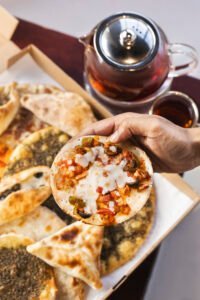

Imagine filming a Michelin-star dessert on a dirty kitchen counter with a plastic spoon. Doesn’t matter how beautiful the food is, if the setting isn’t good it will ruin the whole vibe of the picture.
Props frame your food’s personality. They’re the supporting actors in your scene.
- Plates & Bowls: Minimalist, neutral-colored ceramics work best. White makes food pop, darker tones add sophistication. Avoid overly patterned plates, they steal the spotlight.
- Cutlery & Glassware: Sleek forks, rustic spoons, elegant wine glasses, they set the mood. A cocktail in the wrong glass feels wrong.
- Surfaces: Wooden boards, marble counters, rustic textiles, each surface tells a different story. Wooden textures = homely. Marble = chic. Metal = industrial.
- Napkins & Fabrics: A folded linen under a plate can add depth and warmth to your shot. Small details create big visual impact.
Pro Tip: Keep props simple but intentional. They shouldn’t compete with the food, only complement it. Think of them as the tablecloth in a restaurant, you don’t notice it unless it’s wrong.
Props don’t just elevate a dish, they create the atmosphere, whether that’s cozy comfort, luxurious dining, or casual street food vibes.
Wrapping It Up
These rules of thumb, contrast, motion, balance, and props, are your safety net. You can experiment wildly with angles, lighting, or editing, but if you come back to these basics, your food videos will always stay appetizing.
- Use contrast to bring dishes alive.
- Add motion to give them energy and emotion.
- Balance your food choices for variety and excitement.
- Choose the right props to elevate without distracting.
At the end of the day, remember: the goal of food videography isn’t just to show what’s on the plate. It’s to create a craving experience. You want someone to watch your video and immediately think: I need that. Right now.
And when you nail these fundamentals, you don’t just make videos. You make people hungry.
Closing Thoughts
Choosing the right dish is the foundation of mouthwatering food content. When you pair the right foods with proper styling, lighting, and motion, your audience doesn’t just see the food, they feel it, crave it, and remember your brand.
At Food on Focus Media, we specialize in making dishes look irresistible, whether it’s a colorful salad, melty dessert, or sizzling steak. Your food deserves the spotlight, let’s make it shine.