Most restaurants today are active on social media.
They post regularly, share dishes, run occasional offers, and try to stay visible. Yet despite this effort, many still struggle with low engagement, weak conversions, and minimal impact on actual revenue.
The problem is not that they are not using social media.
The problem is that they are not doing social media that converts.
Because in today’s environment, social media is not just about visibility. It is one of the primary drivers of how customers discover, evaluate, and choose where to order from. Many diners discover new restaurants through social platforms, and many visit after seeing food online.
That means your content is not just content.
It is your storefront. For a great many diners the first encounter with your restaurant is a photo or a video on a feed, seen long before they read a review or walk past the door. That first impression decides whether they look closer or keep scrolling, which means your content is doing the job a shopfront and a window display would do for a high-street venue. Treated that way, the question stops being how often to post and becomes how well each post sells.
Social Media Marketing for Restaurants: What Most Social Media Advice Gets Right and Where It Falls Short
Most guides around social media marketing for restaurants focus on tactical advice.
They recommend:
- Posting consistently
- Using hashtags
- Engaging with comments
- Running promotions
These are valid.
But they are not enough.
What they fail to address is the conversion layer of social media, which determines whether your content actually leads to orders. They talk about engagement, but not how engagement translates into revenue. They discuss posting frequency, but not whether the content is compelling enough to influence decisions.
This is why many restaurant owners follow best practices and still see limited results.
Because the missing piece is strategy. The tactics are real and worth doing, but on their own they are just activity; strategy is what points that activity at a result and gives you a way to tell whether it worked.
The Real Shift: Social Media Is Your Primary Sales Channel
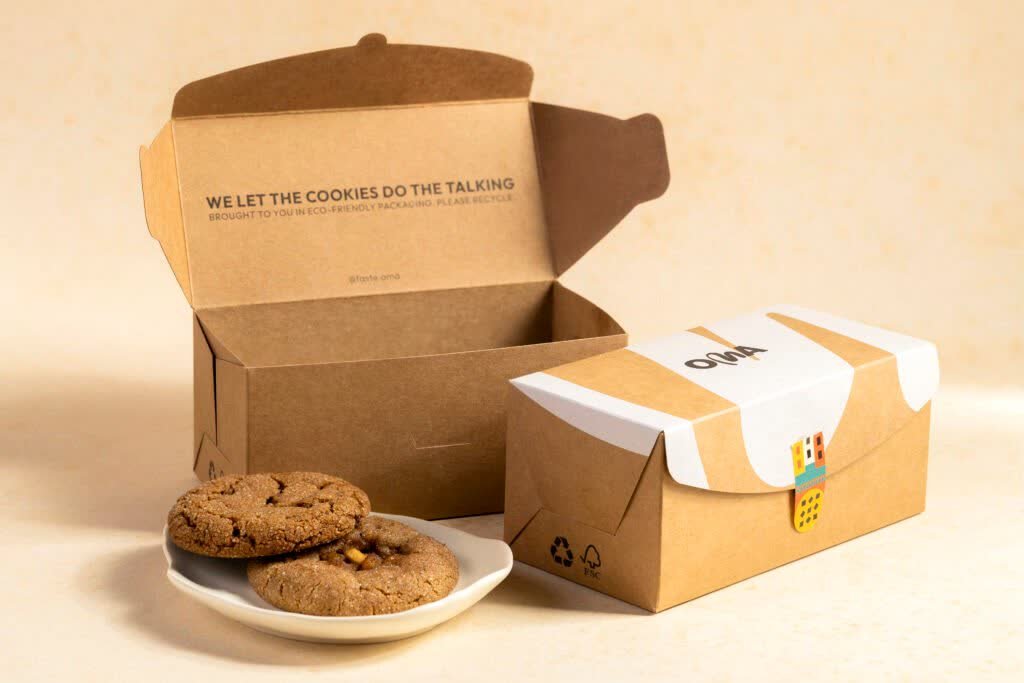
Social media has evolved from a branding tool into a direct revenue driver for restaurants. A structured social media strategy gives a restaurant something it can measure, instead of posting and hoping.
At the same time, many diners now book through social platforms, and many choose restaurants based on what they see online.
This completely changes the role of content.
You are not posting to stay active.
You are posting to influence decisions.
This is where most restaurants struggle, because they treat social media as an activity rather than a system.
And this is where working with a specialized F&B team begins to change outcomes, because the focus shifts from posting content to building a strategy that actually drives orders.
Why This Matters for Your F&B Brand’s Growth

Social media directly impacts core business metrics.
Better visuals and videos increase click-through rates and conversions. Strong content improves brand perception, making customers more willing to pay premium prices. Consistent presence builds recall, which drives repeat orders.
It also affects visibility.
Platforms prioritize content that gets engagement, which means better-performing content gets more reach, creating a compounding effect.
This is why social media is not optional.
It is foundational. A restaurant can have excellent food, fair prices and a good location and still lose to a competitor whose content simply makes the decision easier, because for most new customers the content is the only evidence they have before they order.
The Psychology Behind Why Social Media Works for Restaurants
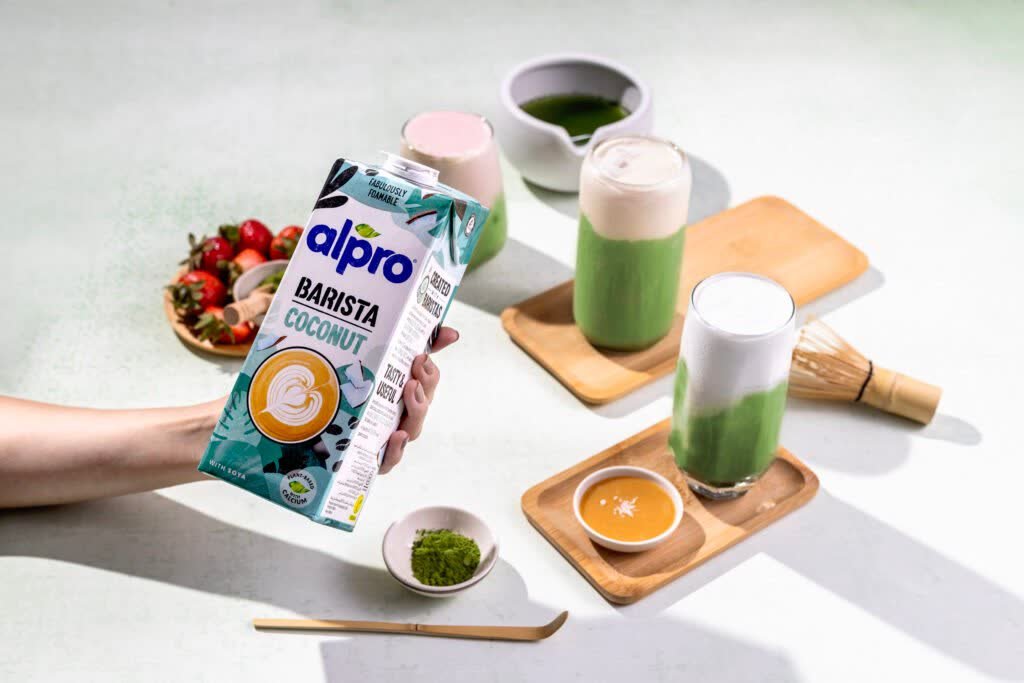
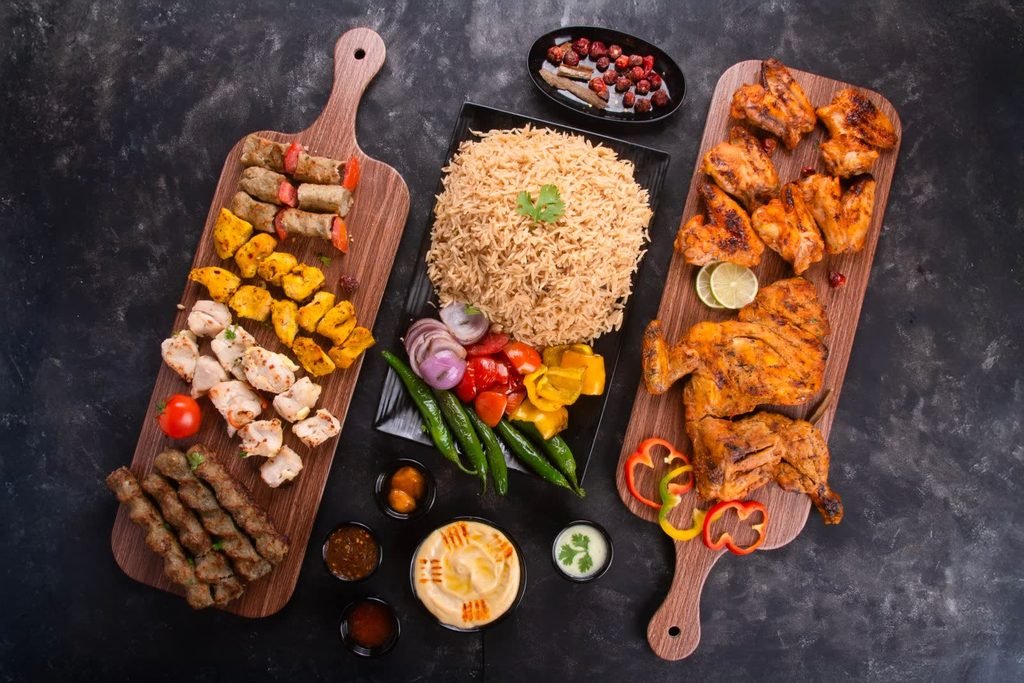
Food is inherently visual.
Customers cannot taste your food through a screen, so they rely entirely on what they see to make decisions. Visuals have a strong influence on which restaurants customers prefer and decide to visit.
This means your content is not just informative.
It is persuasive.
A compelling video that shows texture, movement, and freshness creates a stronger desire than a static image. A well-composed photo communicates quality instantly. A consistent visual identity builds trust.
This is where content shifts from being creative to being commercial. A photo or a clip is not just something attractive to fill the feed; it is the thing doing the persuading at the exact moment a hungry person is deciding where to spend. Once you see content that way, the standard you hold it to changes, and so does what you are willing to invest in getting it right.
If you want to understand how video specifically drives this shift, you can explore how video specifically drives this shift and why motion-based content consistently outperforms static formats.
What Actually Works in Social Media Marketing for Restaurants

1. Visual-First Content Wins
The most important principle is simple.
If your food does not look irresistible, it will not get ordered.
Many customers say menu photos influence where they eat.
This applies even more strongly to social media.
High-performing brands invest in:
- Professional photography
- Strong composition
- Consistent styling
This is where many restaurants struggle, because they rely on casual phone images that reduce perceived value. The food might be excellent, but a flat, badly lit photo quietly tells the customer otherwise, and on a screen the photo is all they have to go on. Investing in the visuals is not vanity; it is making sure the content represents the food at the standard the kitchen actually delivers.
If you want to understand how visuals directly impact revenue, this breakdown on how food photography drives real restaurant growth explains the connection clearly.
2. Video Is No Longer Optional
Short-form video has become the most powerful format for restaurant marketing.
Content that shows:
- Food being plated
- Ingredients being poured
- Texture in motion
performs significantly better because it captures attention instantly.
Platforms like Instagram and TikTok prioritize video content, especially reels and short clips, because they drive higher engagement.
This is where many brands fall behind.
They still rely heavily on static posts.
Meanwhile, brands that understand video dynamics gain a significant advantage. The good news is that video no longer demands a production crew for every clip. A few seconds of a dish being finished, captured cleanly alongside a photo shoot, is enough to feed the formats the platforms push hardest, and it costs very little extra when the food is already in front of the camera.
3. Content Should Be Designed for Platforms
Not all content works everywhere.
A reel is not the same as a story. A delivery app image is not the same as an Instagram post.
High-performing brands tailor content based on:
- Platform behavior
- Screen size
- User intent
For example, reels are designed for discovery, while stories are designed for conversion.
Restaurants that ignore this create content that looks good but does not perform. The same clip framed for a vertical feed, a square post and a cropped delivery thumbnail behaves completely differently, so deciding where a piece of content will live before you make it is what stops good material failing simply because it was built for the wrong placement.
4. Consistency Builds Trust and Recall
Posting randomly creates inconsistency.
Consistency builds recognition.
When your content has a consistent style, tone, and quality, customers begin to recognize your brand instantly. This improves trust and increases the likelihood of repeat orders.
This is one of the most overlooked aspects of social media marketing. Consistency is what turns scattered posts into a brand a customer recognises, and recognition is what makes them choose you again without having to think about it. A feed that looks like one considered restaurant will always build more trust than a stream of posts that each look like they came from somewhere different.
5. Engagement Is a Two-Way System
Social media is not just about posting.
It is about interaction.
Restaurants that actively engage with comments, messages, and reviews tend to see noticeably higher engagement over time, because every reply signals an active, attentive business and often prompts the platform to show the conversation to more people.
This interaction builds relationships, which directly impact customer loyalty. Replying to comments and reviews, the good and the critical alike, signals an attentive business and reassures the next customer reading along. It is also some of the cheapest marketing available: a thoughtful reply costs nothing and often does more for trust than another polished post.
Real-World Scenario: Same Food, Different Outcome
Two restaurants serve the same dish.
One posts a static image with poor lighting and no context.
The other posts a short video showing the dish being prepared, plated, and served.
The second restaurant gets:
- More engagement
- More shares
- More orders
The product is identical.
The presentation is not.
This is the difference between content that exists and content that performs. Neither restaurant worked harder than the other; one simply pointed its effort at the customer’s decision and the other pointed it at filling a feed. That is the whole argument of this piece in a single example: the food is rarely the variable, the presentation almost always is.
What Most Restaurants Get Wrong
Most restaurants treat social media as a checklist.
They post when they have time. They focus on quantity over quality. They use inconsistent visuals. They do not adapt content for platforms. They treat content as a one-time effort.
This is where execution breaks down.
And this is where many brands realize that their content is not the problem.
Their approach is. Treating social media as a box to tick each day produces exactly the flat, inconsistent feed that fails to convert, however diligently it is kept up. The fix is not more effort in the same direction; it is a change of approach, from posting to stay active to posting to influence a decision.
What High-Performing F&B Brands Do Differently
High-performing brands treat social media as a growth engine.
They invest in:
- Conversion-focused visuals
- Structured content strategy
- Platform-specific execution
- Continuous optimization
They align content with business outcomes.
This is why they do not just get likes.
They get orders.
When Should You Work with an F&B Creative Agency
There are clear moments where external expertise becomes critical.
When launching and needing a strong first impression
When rebranding and shifting perception
When scaling and improving ad performance
When conversions are low despite traffic
When your content feels flat and ineffective
At this stage, the issue is not effort.
It is execution.
This is where working with a specialized team becomes valuable, because the goal shifts from creating content to creating content that drives measurable results.
Turn Strategy Into a Weekly System
The gap between a restaurant that posts and one that converts is usually not talent or budget; it is whether the content follows a system. Posting when there is a spare moment produces a feed that is busy but aimless. A simple weekly structure, where each post has a defined job, keeps the effort pointed at orders rather than activity. You do not need a large team to run this, only a short rotation of post types you repeat.
A workable rhythm for most venues is a small number of purposeful posts a week: one that shows a hero dish clearly enough to make someone hungry, one that builds trust through a real moment in the kitchen or a genuine review, one that says plainly what makes you different, and one that gives a clear reason and an easy way to order this week. Four deliberate posts almost always outperform a scramble of daily ones. Our restaurant content calendar lays out how to plan this across the weeks, and our guide to F&B content strategy goes deeper on making each post earn its place.
Measure What Matters, Not Vanity Metrics
If posting more is not the answer, then neither is chasing bigger view counts. A reel seen by thousands of people who will never order from you is worth less than one seen by a few hundred nearby customers who might. The metrics worth watching are the ones that map to the business: saves and shares, which show content people found genuinely useful; direction requests and profile taps, which show intent to visit; the number and recency of reviews, which drive local discovery; and, where it applies, order volume on the days you posted.
Check these monthly rather than obsessing over daily figures, and let what moves them steer the next month’s content. Follower count is the easiest number to grow and the least connected to revenue, so it is the last one to optimise for. The whole point of treating social media as a system is that it gives you something real to measure and improve, instead of a vague sense that you should be posting more.
Where to Start if You Are Behind
If all of this feels like a lot and your current feed is inconsistent, start with the foundation rather than the frequency. Fix the visuals first, because weak images undercut everything built on top of them; a smaller number of strong, consistent photos and clips does more than a large library of casual phone shots. Then settle on a simple, repeatable style so your brand becomes recognisable at a glance. Only once those are in place is it worth worrying about how often to post.
This order matters because posting more poor content simply spreads the problem wider. One good shoot that gives you a month of strong material, released on a clear schedule, will move the business further than doubling your posting rate with whatever is to hand. If producing this consistently alongside a live kitchen is unrealistic, that is exactly the gap a content creation partner is there to fill, and more of our practical guides are collected in the how-to guides and insights hub.
FAQs
What is the 30 30 30 rule for restaurants?
The 30 30 30 rule typically refers to allocating time or budget across content creation, engagement, and promotion. For restaurants, it means balancing posting, interacting with customers, and promoting offers instead of focusing on just one area.
What is the 5 5 5 rule for social media?
The 5 5 5 rule suggests engaging with five posts, commenting meaningfully on five accounts, and creating five pieces of content regularly. It is designed to maintain consistency and interaction.
How to use social media to promote a restaurant
Focus on high-quality visuals, short-form video, consistent branding, and active engagement. Content should highlight food appeal, customer experience, and clear calls to action.
What is the 3 3 3 rule in marketing
The 3 3 3 rule focuses on grabbing attention within the first 3 seconds, delivering value in the next 30 seconds, and leaving a lasting impression within 3 minutes, which is highly relevant for video content.
Why is food photography important?
Food photography influences customer decisions by making dishes look appealing and valuable, which directly impacts conversions and engagement.
Planning this for your own brand? See our social media content and management.