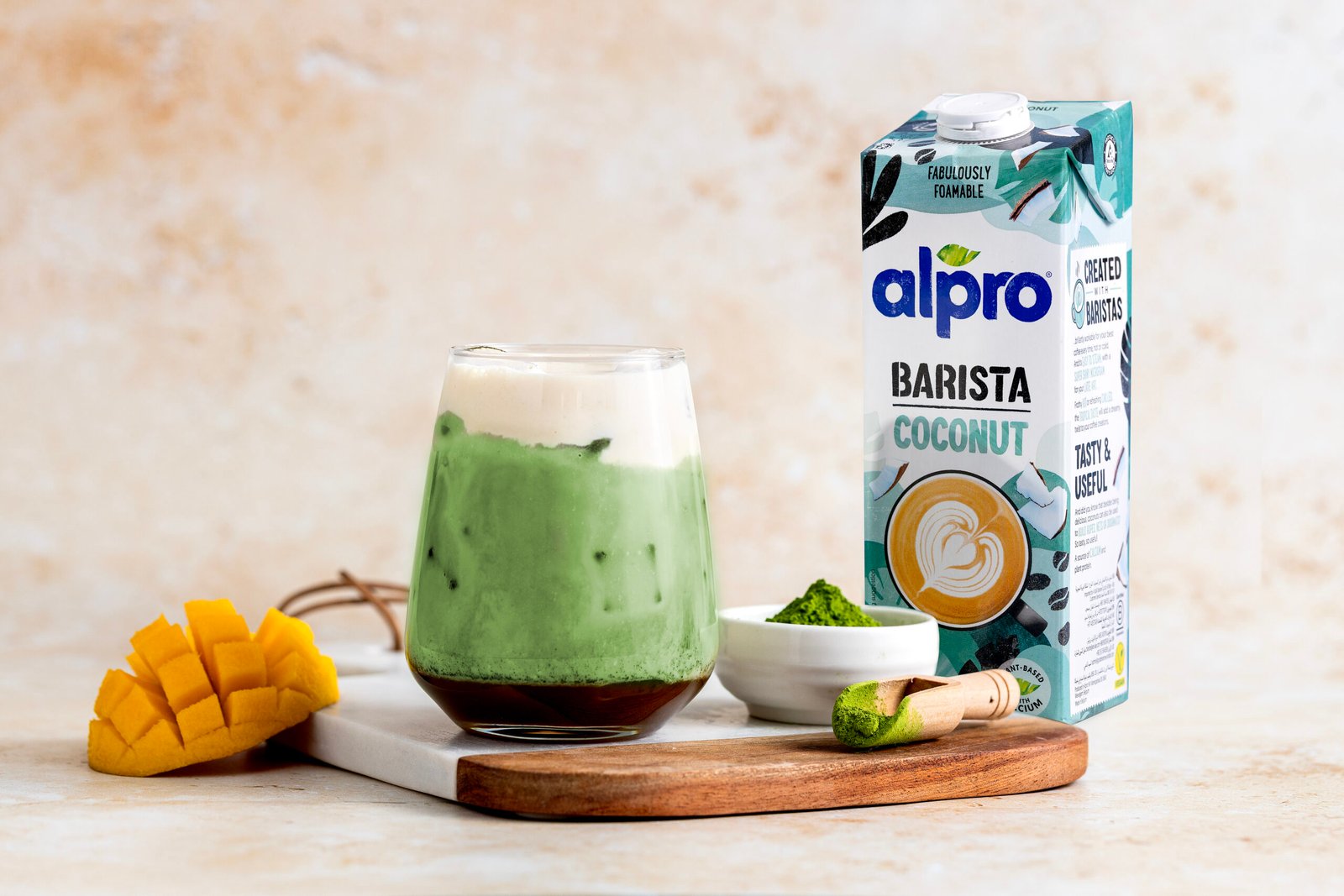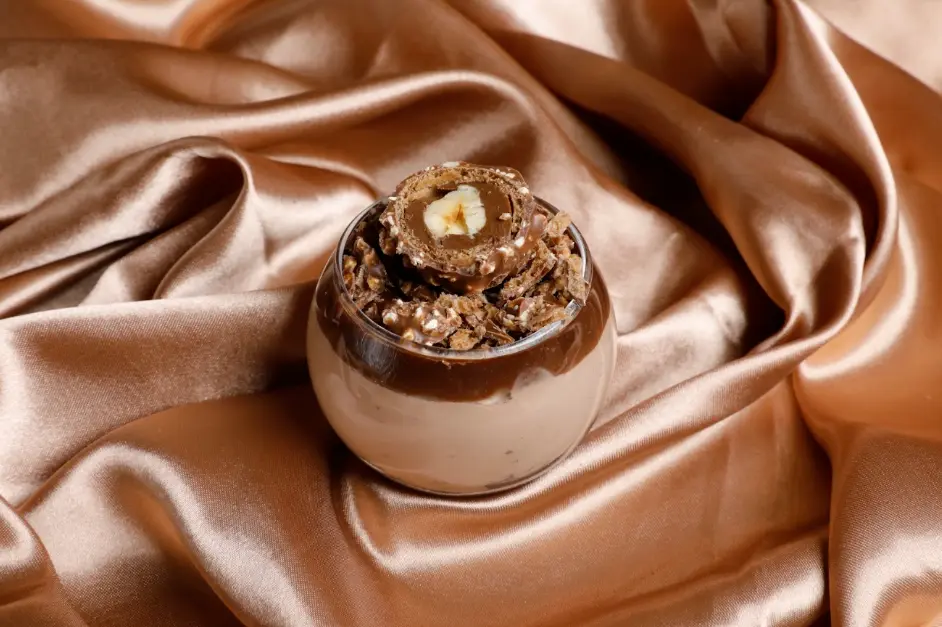
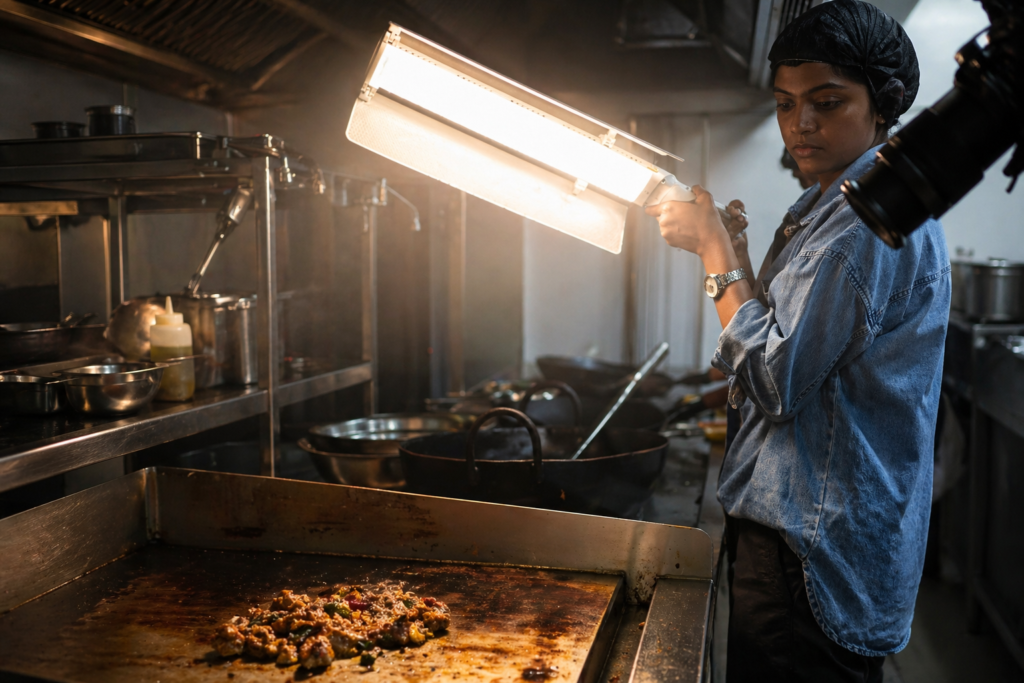
Most restaurants are not struggling because of their food. They are struggling because of how their food looks online and thus struggle to Increase Restaurant Sales.
That distinction matters more than most founders are willing to admit.
Today, your customer does not walk past your storefront before making a decision. They scroll. They compare. They judge within seconds. In that moment, your food is not experienced through taste or aroma. It is evaluated purely through visuals.
If those visuals fail to create desire, nothing else in your marketing stack can recover that lost opportunity.
Understanding how to increase restaurant sales with photos is not a creative exercise. It is a direct lever for revenue, margins, and long-term brand positioning.
The Visual Economy: where sales are actually won
Most operators still treat photography as a finishing touch, something to “add later” once the menu is ready. That mindset is fundamentally flawed.
Visuals now sit at the very front of the decision-making process.
Consumer behaviour studies show that food photography has a strong positive correlation with restaurant sales, with visual appeal directly influencing customer choice and perceived value.
Insight
Customers are not choosing restaurants. They are choosing images.
Explanation
The human brain processes visuals dramatically faster than text, making images the primary filter in digital environments. When customers browse delivery platforms or Instagram, they eliminate options instantly based on visual appeal before even reading a single word.
Real-world implication
If your food does not look compelling in under three seconds, you are not even in the consideration set.
Business outcome
Reduced visibility, lower click-through rates, and lost orders, regardless of how strong your actual product may be.
This is precisely where most restaurants underestimate the role of execution. They believe presence is enough, when in reality, performance is dictated by visual quality.
Why most advice on increasing restaurant sales is incomplete
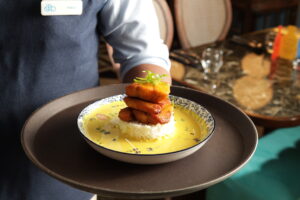
If you review standard industry guidance, it typically revolves around:
- Promotions and discounts
- Social media activity
- Loyalty programmes
- Online listings
These are all valid levers, but they operate on the assumption that your core asset, your visual presentation, is already effective.
That assumption rarely holds.
Even when food photography is mentioned, it is framed as a basic requirement rather than a strategic growth driver. There is no discussion around conversion psychology, visual hierarchy, or platform-specific optimisation.
This gap between advice and execution is exactly why many restaurants remain stuck in cycles of discounting and inconsistent performance.
How to increase restaurant sales with photos: A strategic system
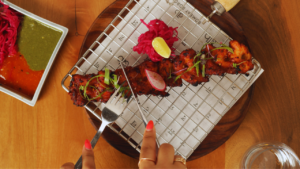
If you want measurable results, you need to stop treating photography as content production and start treating it as a structured revenue system.
1. Visuals determine discovery before they drive conversion
Insight
You cannot convert customers who never see you.
Explanation
Platforms prioritise listings that generate engagement. High-quality visuals increase clicks, time spent, and interaction signals, which in turn improve ranking and visibility.
Real-world implication
Restaurants with stronger imagery appear more frequently across search results and category listings.
Business outcome
More organic exposure without increasing advertising spend.
This is where execution begins to separate average operators from high-performing brands. Visibility is not random. It is earned through content that performs.
2. Photos directly impact conversion rates
Insight
Customers buy what looks irresistible, not what sounds good.
Explanation
High-quality images reduce uncertainty. They communicate portion size, texture, freshness, and quality instantly, removing hesitation from the ordering process.
Data shows that adding food images to menus can increase sales by up to 30 percent, while visually rich listings significantly improve conversion rates.
Real-world scenario
Two identical pasta dishes.
One is poorly lit and flat.
The other is styled, textured, and visually dynamic.
The second consistently wins, even if priced higher.
Business outcome
Higher conversion rates and improved order volumes without operational changes.
3. Visual quality influences pricing power
Insight
If your food looks cheap, it will be treated as cheap.
Explanation
Customers associate visual quality with product quality. Professional presentation signals care, consistency, and premium positioning.
Real-world implication
Restaurants with strong visual identity can sustain higher pricing without relying on discounts.
Business outcome
Better margins and healthier unit economics.
This is where many operators undermine themselves. They invest heavily in ingredients and kitchen operations, but allow poor visuals to position their brand as low value.
4. Photos shape brand perception long before loyalty is built
Insight
Your brand is remembered visually before it is remembered verbally.
Explanation
Consistent imagery builds recognition. Inconsistent visuals create confusion and weaken recall.
Real-world implication
Customers may forget your name, but they remember how your food looked.
Business outcome
Stronger repeat behaviour and improved brand equity.
This is where a specialised F&B creative partner like Food on Focus becomes critical, not as a vendor producing images, but as a system that ensures every visual reinforces brand positioning and commercial intent.
What most Restaurants get wrong
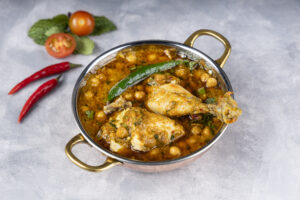
The problem is rarely effort. It is almost always in a direction.
Amateur visuals
Many brands still rely on internal teams or quick mobile shots without proper lighting, styling, or composition. These images fail to trigger appetite and often create doubt about quality.
Lack of strategic thinking
There is no alignment between visuals and revenue goals. Dishes are photographed randomly, without prioritising high-margin or high-demand items.
Inconsistent branding
Different shoots, different styles, different tones. The result is a fragmented identity that weakens recognition.
One-time execution
Photos are treated as a one-off task rather than an ongoing system. As menus evolve, visuals become outdated and irrelevant.
No platform optimisation
Images are reused across delivery apps, social media, and ads without adapting to each platform’s behaviour and requirements.
The real issue
Restaurants assume their problem is marketing reach or pricing pressure, when in reality, their visuals are not converting.
This is exactly where execution tends to break down internally. Creative output without strategic alignment does not translate into performance.
A focused partner like Food on Focus addresses this gap by connecting visual production directly to business outcomes such as conversions, order value, and brand positioning.
What high-performing F&B brands do differently
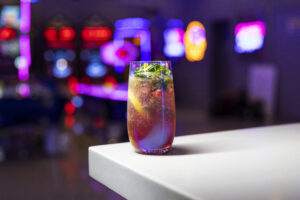
The difference is not creativity alone. It is disciplined execution tied to performance.
They design visuals for conversion
Every image is created with intent, focusing on appetite triggers, clarity, and desirability.
They maintain consistency
Lighting, angles, colour grading, and styling remain uniform across all platforms.
They adapt content to platforms
Delivery apps require clarity and simplicity, while Instagram demands storytelling and aspiration.
They update continuously
Menus evolve, campaigns change, and visuals are refreshed accordingly.
They think commercially
Photography is aligned with pricing, menu engineering, and promotional strategy.
The outcome
These brands command attention, convert efficiently, and grow without excessive reliance on discounts.
Real-world scenarios that show the difference
Scenario 1: Conversion shift
A cloud kitchen replaces basic menu images with professionally styled visuals.
Result:
Higher click-through rates and a measurable increase in orders without any change in pricing.
Scenario 2: Premium repositioning
A café upgrades its visual identity across all platforms.
Result:
Customers perceive higher quality, allowing price increases without resistance.
Scenario 3: Advertising efficiency
A restaurant improves its creative assets for paid campaigns.
Result:
Lower cost per acquisition and stronger return on ad spend.
These are not isolated cases. They reflect a broader truth. Visual quality is directly tied to commercial performance.
Why this matters for your F&B brand’s growth
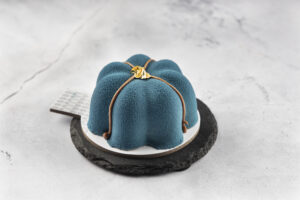
Ignoring visual strategy is no longer a neutral decision. It is an active limitation on growth.
Orders
Stronger visuals increase click-through rates and drive more orders.
Conversion rates
Customers are more likely to choose you over competitors when your food looks superior.
Pricing power
Better presentation justifies higher pricing.
Brand perception
You move from being one of many options to a recognisable brand.
Platform visibility
Higher engagement improves ranking and discoverability.
Restaurants that understand this do not compete on price. They compete on perception.
When should you work with an F&B creative agency?
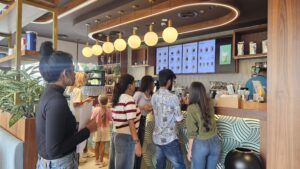
Most brands wait until performance drops. That delay costs revenue.
At launch
Your initial visuals define how the market perceives you.
During rebranding
If your positioning evolves, your visuals must reflect that shift.
While scaling
Expansion requires consistency across locations and platforms.
When conversions are low
If traffic exists but orders do not follow, your visuals are likely the issue.
When ads are underperforming
Weak creatives limit campaign effectiveness, regardless of budget.
This is where working with a specialised partner like Food on Focus becomes a strategic decision rather than a creative one. The focus shifts from producing content to driving measurable outcomes.
The uncomfortable Truth about discounts
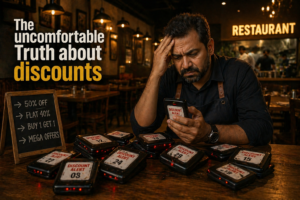
If your business relies heavily on discounts, it is compensating for weak perceived value.
Strong visuals increase perceived quality, which reduces the need for aggressive pricing tactics.
Restaurants that invest in visual systems tend to:
- Maintain higher margins
- Attract better customers
- Build stronger brand equity
Discounts may drive short-term spikes, but visuals build long-term growth.
Building a photo strategy that actually drives revenue
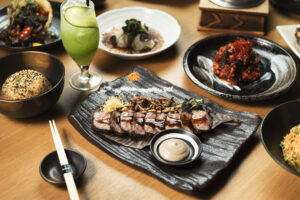
To properly implement how to increase restaurant sales with photos, you need a structured approach.
Identify your revenue drivers
Focus on dishes that contribute the most to profitability.
Define a clear visual identity
Ensure consistency in styling, lighting, and composition.
Optimise for each platform
Tailor content for delivery apps, social media, and advertising.
Refresh regularly
Keep visuals aligned with menu updates and seasonal changes.
Measure performance
Track which images drive orders, not just engagement.
This is where most internal teams struggle. Execution requires a combination of creative expertise, platform understanding, and commercial awareness.
That intersection is precisely where Food on Focus operates, aligning visual production with measurable business impact rather than isolated creative output.
Final perspective: Your visuals are already affecting your revenue
Every image you publish is influencing customer decisions, whether you are intentional about it or not.
The only question is whether those visuals are working for you or against you.
FAQs
Why is food photography important for restaurants?
Food photography shapes first impressions and directly influences customer decisions. It affects perceived quality, trust, and willingness to order.
Does food photography increase orders?
Yes. High-quality visuals improve conversion rates and can significantly increase sales by making dishes more appealing and reducing hesitation in decision-making.
What is the cost of food photography in Dubai?
Costs vary based on scope, but professional F&B shoots are typically priced according to complexity, styling, and deliverables rather than just time.
How can I improve delivery app conversions?
Use clear, high-quality images that highlight texture, portion size, and freshness. Prioritise best-selling dishes and maintain consistency across your menu.
Do I need branding along with photography?
Yes. Without branding, visuals lack consistency and fail to build recognition, limiting long-term impact.
Last But not the Least!
Take a hard look at your current visuals across delivery platforms, social media, and your menu.
Do they genuinely create desire, or do they simply exist?
Do they justify your pricing, or are they forcing you to discount?
Are they consistent enough to build recognition, or are they forgettable?
If your visuals are not actively driving orders, they are quietly costing you revenue.
And that is the exact moment where bringing in a specialised partner like Food on Focus stops being an option and starts becoming a logical next step for growth.