
Most restaurant owners know that photos matter.
What many still underestimate is how to increase restaurant sales with photos and the direct impact visuals have on customer behavior.
Photos are often treated as marketing assets, something that supports the business rather than actively driving it. In reality, restaurant photos influence nearly every stage of the customer journey, from discovery and consideration to ordering and repeat purchases.
Customers rarely experience your food first. They experience your photos first. Those visuals often determine whether someone clicks, visits, orders, or chooses a competitor instead.
They experience your visuals first.
That means your photos are shaping expectations, building trust, influencing appetite, justifying pricing, and determining whether someone chooses your restaurant over another.
In today’s digital-first environment, where delivery apps, Google Business Profiles, Instagram feeds, and online menus often create the first impression, photos are no longer decorative.
They are commercial assets.
And restaurants that understand this consistently outperform those that do not.
What Most Articles About Restaurant Photos Get Right and Where They Fall Short
Most existing content correctly explains that photos help attract customers.
They discuss:
- Menu photography
- Social media content
- User-generated images
- Visual presentation
These are all important.
Some also correctly highlight that customers trust businesses more when they can clearly see food, staff, and restaurant environments. The idea of using real people in restaurant content to build familiarity and trust is especially valuable.
However, most articles stop there.
They explain visibility.
They do not fully explain conversion.
They explain aesthetics.
They do not explain business performance.
The deeper question is not whether photos attract attention.
The deeper question is how photos influence revenue.
That is where the real opportunity exists.
The Reality: Customers Buy What They Can Visualize

Restaurant marketing has fundamentally changed.
Years ago, customers often discovered restaurants through location, recommendations, or foot traffic.
Today, customers discover restaurants through:
- Delivery platforms
- TikTok
- Online menus
This means most purchase decisions begin visually.
Customers are asking themselves questions before they ever order:
Does this food look worth the price?
Does this restaurant look trustworthy?
Does the quality feel premium?
Will I enjoy this experience?
Photos answer all of those questions instantly.
This is why restaurant sales are increasingly connected to visual presentation.
And this is where many restaurants struggle because they continue treating photography as a creative expense instead of a growth asset.
Why Photos Directly Impact Restaurant Sales
Photos Reduce Uncertainty
One of the biggest barriers to purchasing is uncertainty.
Customers hesitate when they cannot clearly understand what they are buying.
Good photos remove uncertainty.
They show:
- Portion size
- Ingredients
- Presentation
- Quality
According to restaurant marketing research, customers consistently engage more with listings that include strong visual content because visuals increase confidence and trust.
When hesitation decreases, conversions increase.
Photos Improve Click-Through Rates
Whether customers are browsing Google, Instagram, Deliveroo, Talabat, or Uber Eats, they are constantly making visual comparisons.
Restaurant listings with stronger imagery naturally attract more clicks because people respond to appetite appeal before they respond to descriptions.
This effect becomes even stronger on delivery platforms where dozens of restaurants compete within the same screen.
The restaurant with better visuals often receives the click.
And the click is what creates the opportunity for a sale.
Photos Increase Perceived Value
This is one of the most overlooked effects of food photography.
Customers do not evaluate food based only on ingredients.
They evaluate perceived quality.
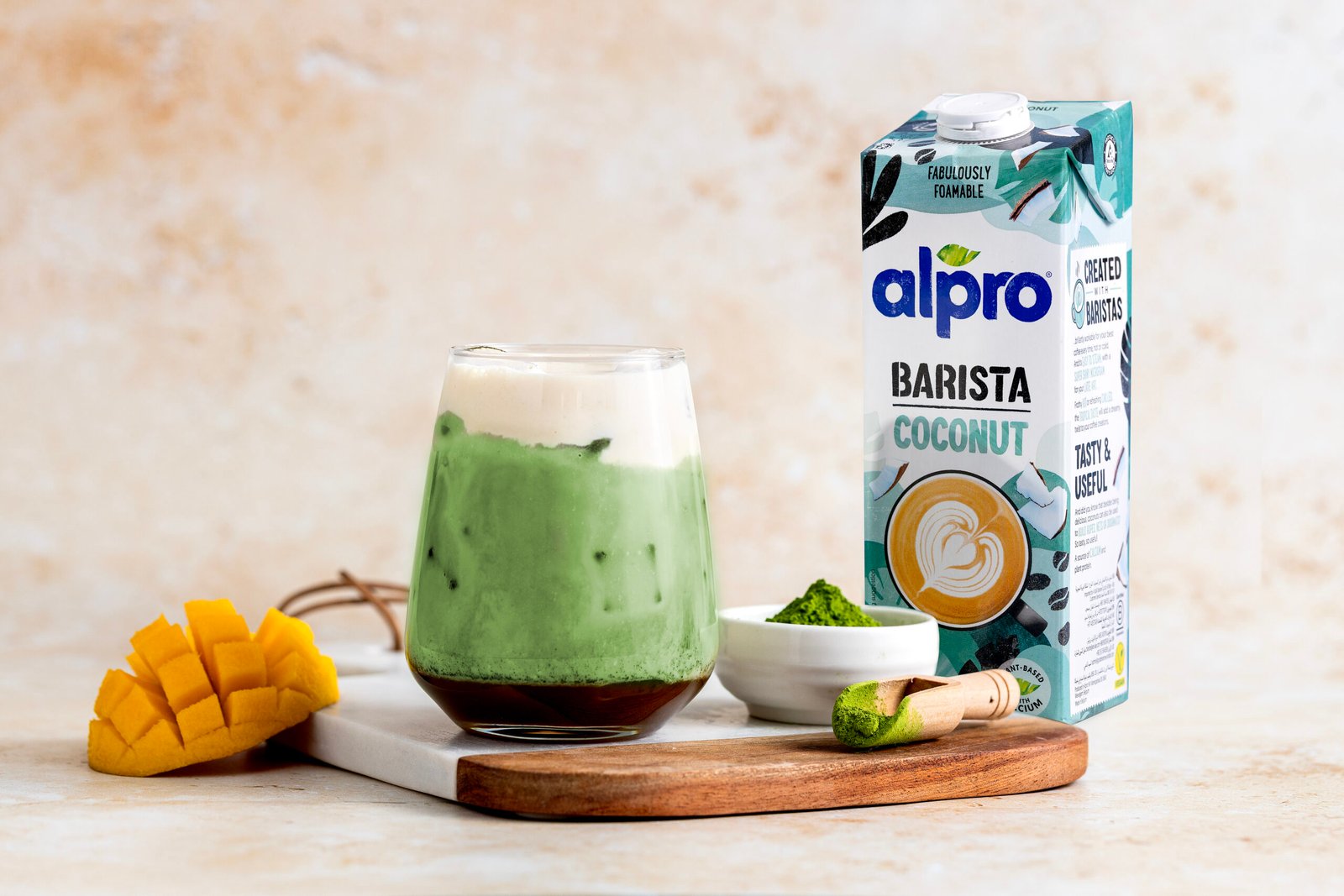
A professionally photographed burger feels more premium.
A well-lit pasta dish feels more valuable.
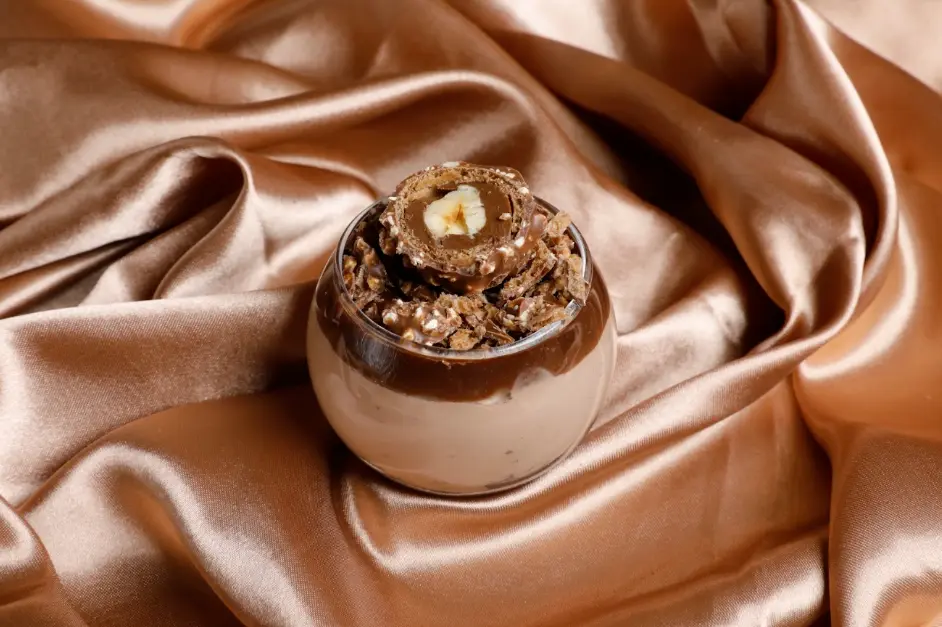
A carefully styled dessert feels worth a higher price.
The food itself may not have changed.
The perception has.
And perception influences purchasing behavior.
This is one reason premium brands invest heavily in photography.
They are not simply showcasing products.
They are strengthening value perception.
If you want a deeper understanding of how visual presentation directly influences restaurant growth, the article on how food photography helps restaurant marketing and drives real revenue growth explores this relationship in more detail.
How Google Photos Influence Restaurant Revenue
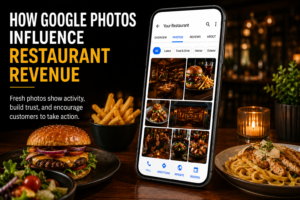
Many restaurant owners underestimate the importance of Google Business Profile photos.
Yet Google uses customer engagement signals when evaluating local business visibility.
Fresh photos help demonstrate activity, relevance, and customer interest. Restaurants with active photo updates often generate stronger engagement because customers trust listings that appear current and well-maintained.
The impact extends beyond rankings.
Photos influence:
- Website visits
- Direction requests
- Calls
- Reservations
- Walk-ins
Customers frequently decide whether to visit a restaurant based on visual expectations.
This means your Google photos are not simply informational.
They are conversion assets.
The Psychology Behind Restaurant Photos

Humans process visuals significantly faster than text.
Food photography triggers emotional responses before logical evaluation begins.
Customers react to:
- Texture
- Color
- Freshness
- Movement
- Atmosphere
A crispy fried chicken sandwich creates anticipation.
A glossy dessert creates craving.
A vibrant cocktail suggests experience and enjoyment.
These reactions occur almost instantly.
The strongest restaurant photography leverages this psychology intentionally.
The goal is not documentation.
The goal is desire.
Real-World Scenario: Same Dish, Different Sales

Imagine two restaurants selling nearly identical pizzas.
Restaurant A uses:
- Flat lighting
- Low-resolution images
- Weak composition
Restaurant B uses:
- Professional lighting
- Texture-focused photography
- Strong visual hierarchy
The recipe may be identical.
The sales outcome rarely is.
Customers consistently associate stronger visuals with higher quality.
This influences:
- Click-through rates
- Conversion rates
- Average order value
The difference is not culinary.
It is perceptual.
What Most Restaurants Get Wrong
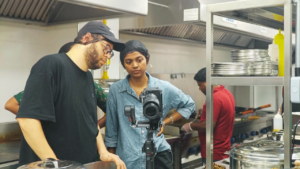
Using Outdated Photos
Many restaurants continue displaying menu items they no longer serve.
Others leave years-old photos across delivery apps and Google listings.
Outdated visuals create confusion and reduce trust.
Inconsistent Branding
One image style on Instagram.
Another on delivery apps.
Another on menus.
The result is fragmented perception.
Customers may not consciously identify the inconsistency, but they feel it.
Strong brands create visual consistency across every platform.
Posting Randomly Without Strategy
Many restaurants upload content without considering:
- Customer behavior
- Platform requirements
- Conversion objectives
The content exists.
But it does not perform.
This is where execution often breaks down.
And this is where many restaurants eventually realize they need more than content production.
They need visual strategy.
What High-Performing Restaurants Do Differently

The strongest restaurant brands approach photography differently.
They invest in:
- Professional food photography
- Platform-specific optimization
- Consistent visual identity
- Ongoing content updates
Most importantly, they connect visual production directly to business goals.
Every image has a purpose.
Every visual supports performance.
This is one reason many successful brands work with specialized teams that understand both creative execution and restaurant growth strategy.
For restaurants evaluating professional visual production, exploring experienced food photographers Dubai can help clarify the difference between generic photography and conversion-focused restaurant photography.
Why Video Now Matters Alongside Photos
Photos remain critical.
But customer attention increasingly favors motion.
Video content creates:
- Higher engagement
- Stronger retention
- Better storytelling
- Increased social reach
Restaurants that combine photography and video consistently outperform brands relying on static visuals alone.
This is especially true across Instagram Reels, TikTok, paid ads, and social campaigns.
If you want a deeper understanding of why motion content has become such a powerful restaurant growth driver, the article on video advertising explains why restaurants that master visual storytelling consistently outperform competitors.
Why This Matters for Your Restaurant’s Growth
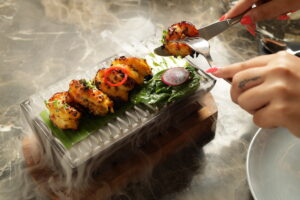
Photos influence far more than aesthetics.
They influence:
Orders
Customers order what looks desirable.
Conversion Rates
Strong visuals reduce hesitation.
Pricing Power
Premium presentation supports premium pricing.
Brand Recall
Consistent imagery strengthens recognition.
Online Visibility
Better-performing content often generates stronger engagement signals.
These factors compound over time.
Which means photography should not be viewed as a marketing accessory.
It should be viewed as a revenue driver.
When Should You Invest in Professional Restaurant Photography
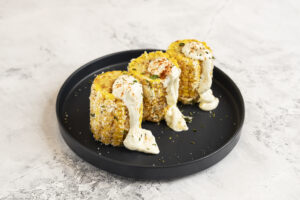
There are several moments where professional photography becomes particularly valuable.
When launching a restaurant.
When updating menus.
When entering delivery platforms.
When running advertising campaigns.
When social media engagement declines.
When sales plateau despite good food and service.
At that point, the challenge is often not product quality.
It is perception.
And perception is built visually.
This is also why many restaurants eventually explore restaurant marketing agencies that combine photography, branding, content strategy, and growth planning rather than treating them as separate activities.
The Bigger Insight

Customers rarely compare restaurants objectively.
They compare perceptions.
And photos shape those perceptions long before anyone takes a bite.
The restaurants generating stronger results are not necessarily serving better food.
Often, they are simply presenting it better.
That difference influences visibility, trust, conversions, pricing, and ultimately revenue.
Which means better photos are not really about photography.
They are about growth.
FAQs
Can photos really increase restaurant sales?
Yes. Strong restaurant photography improves click-through rates, customer trust, and conversion rates by helping customers visualize what they are ordering and reducing uncertainty.
Why are food photos important for restaurant marketing?
Food photos create the first impression for many customers across Google, delivery platforms, and social media. Strong visuals increase engagement and influence purchasing decisions.
Do Google Business Profile photos affect restaurant traffic?
Yes. Active Google Business Profile photos improve customer engagement, trust, and visibility while helping customers evaluate your restaurant before visiting.
What type of restaurant photos perform best?
Photos that clearly show texture, freshness, portion size, atmosphere, and real customer experiences tend to perform best because they create stronger emotional responses.
Should restaurants invest in professional photography?
For most restaurants, professional photography generates long-term value because visuals influence conversions, pricing perception, social engagement, and delivery-platform performance.