In a city where a new restaurant seems to open every week, the difference between a full dining room and an empty one is rarely the recipe. Dubai is packed with talented chefs, ambitious founders and genuinely excellent food, yet many of these venues quietly struggle to fill tables or grow delivery orders. The uncomfortable truth is that most customers form an opinion about your food long before they ever taste it. They form it while scrolling Instagram late at night, comparing thumbnails on Talabat, or judging a menu photo on Google. That first visual impression is now the real battleground, and it is exactly where a specialist F&B marketing agency Dubai operators trust can change the outcome.
This is not a story about spending more on advertising or chasing the next viral trend. It is about a shift in how buying decisions actually happen in the food and beverage world. Great food no longer sells itself if it does not look irresistible on a screen. Understanding why that is true, and what to do about it, is the difference between brands that compound their growth and brands that stay dependent on discounts to survive.
The New Reality for Every F&B Brand in Dubai
Dubai is one of the most visually driven food markets on earth. Diners here do not simply eat out, they document, compare and share, and they research heavily before committing. Before choosing where to spend, a typical customer moves through several digital touchpoints: an Instagram reel that catches their eye, a delivery app where dozens of similar dishes compete side by side, a set of Google reviews, and finally a menu that either confirms or kills their intent. At every one of those touchpoints, your brand is being judged almost entirely on how it looks.
The Psychology of the Scroll: Customers Eat With Their Eyes First

There is a reason the phrase eating with your eyes has survived for generations. Appetite is a visual and emotional response, not a rational one. When someone sees a well-shot dish with steam rising, glossy sauce and warm light, their brain responds with anticipation and craving before any conscious thought about price or convenience kicks in. Marketing simply borrows this biology. Strong food imagery triggers desire, and desire is what moves a finger from scrolling to ordering.
Weak imagery does the opposite. Flat lighting, cluttered backgrounds and phone snapshots signal something the customer feels rather than articulates: that this brand may be careless, inconsistent or not worth the risk. In a market with endless alternatives, perceived risk is fatal. People do not order food that looks uncertain.
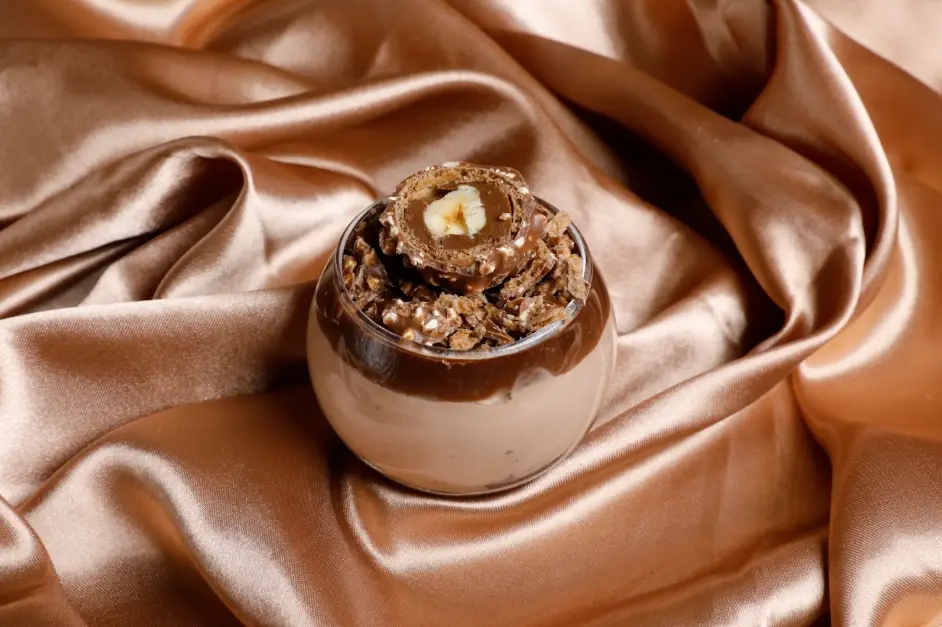
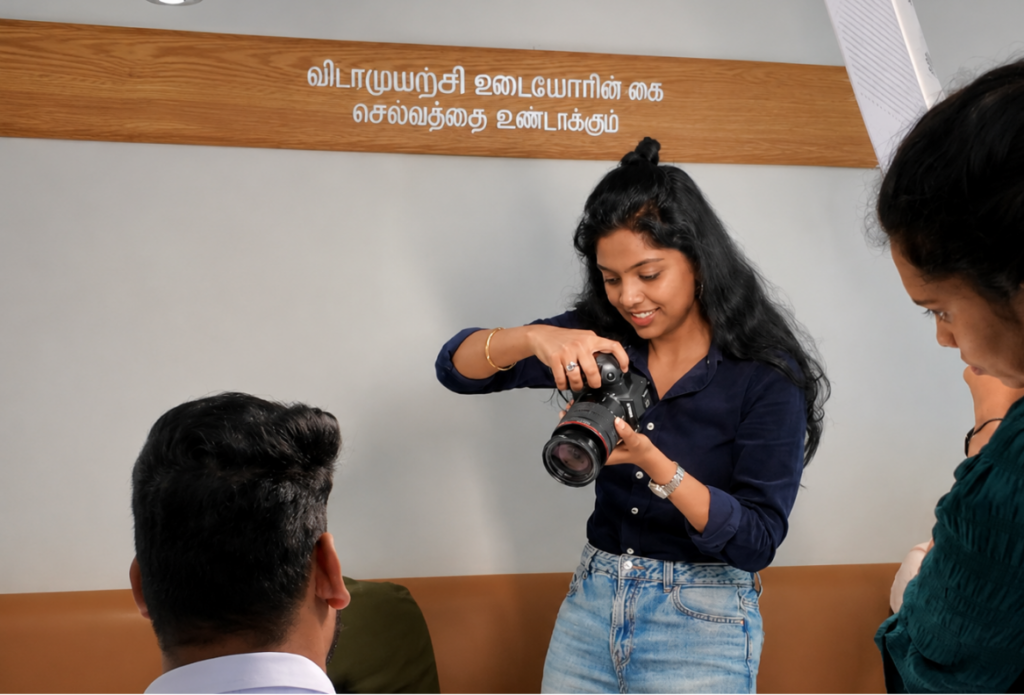
This is precisely where execution tends to break down for most operators, and where a creative-led partner earns its place. Turning a real dish into a craving on a screen is a discipline, not a lucky snapshot. It combines food styling, lighting, composition and editing tuned specifically for the platforms your customers use. It is the core of what a specialist team like Food On Focus builds through dedicated content production and menu photoshoots designed to convert scrollers into buyers rather than simply to look pretty.
What Most Restaurants Get Wrong
Across Dubai’s F&B scene, the same avoidable mistakes repeat themselves regardless of cuisine or budget. Recognizing them is the first step to fixing the leaks that quietly cost you orders every single day.
Relying on amateur visuals
The most common error is treating food photography as something anyone with a modern phone can handle. Phones can take sharp images, but professional appetite appeal comes from styling, lighting and art direction, not megapixels. Amateur visuals flatten color, hide texture and strip away the sense of freshness that drives cravings. The dish that tastes incredible in person looks ordinary online, and ordinary does not get ordered.
Shooting once and never again
Many venues invest in a single shoot at launch and then reuse those same frames for years. Menus evolve, seasons change and platforms constantly raise the bar, yet the brand keeps recycling tired images. A one-time shoot is not a content strategy; it is a starting point that decays over time as competitors keep refreshing their feeds and delivery listings.
Inconsistent branding
Another frequent failure is visual chaos. The Instagram grid uses one style, the delivery app uses another, the printed menu a third, and paid ads something different again. Every inconsistency chips away at recognition and trust, because customers cannot form a stable mental picture of who you are. Coherent branding and design is what turns scattered posts into a recognizable brand that customers remember and return to.
No strategy behind the content
Plenty of restaurants post regularly yet see nothing move, because posting is not the same as marketing. Content without a plan is just noise. There is no thinking about which dishes drive margin, which formats convert on which platform, or how a photo ties back to an actual business goal such as delivery growth or higher average order value.
Ignoring platform optimization
Finally, most brands treat their delivery listings and social profiles as static storefronts rather than living conversion assets. Menu structure, cover images, dish photography and descriptions are left unoptimized, so even strong demand leaks away at the final step. The customer was ready to order and the listing let them down.
F&B marketing agency Dubai: What High-Performing F&B Brands Do Differently

The venues that consistently grow in Dubai are not necessarily the ones with the biggest budgets. They are the ones that treat their visual presence as a revenue engine and manage it with intent. A few clear habits separate them from the crowd.
They make every visual conversion-focused
High-performing brands do not shoot pretty pictures for the sake of it. Every image is built to do a job: stop the scroll, communicate quality and trigger an order. The composition, the crop and the styling are all tuned to how customers actually browse, whether that is a vertical reel, a square grid post or a delivery app thumbnail. Beauty is the tool, conversion is the goal.
They also understand that different platforms reward different content, so the same dish is captured in multiple ways rather than forced into one format everywhere.
They are relentlessly consistent
Winning brands look like themselves everywhere. The same visual language, tone and quality carry across social media, delivery platforms, the website and print. That consistency compounds. Each touchpoint reinforces the last, so recognition and trust build with every exposure rather than resetting each time a customer sees a different version of the brand.
They create platform-specific content
Instead of pushing one asset everywhere, strong operators produce content designed for each channel. Reels are built for movement and sound, delivery images are built for clarity at thumbnail size, and campaign visuals are built to carry a seasonal story. This tailoring is invisible to the customer but decisive in the results.
They think strategically, not reactively
Above all, high performers plan. They align content with menu economics, promotional calendars and growth targets, so creative work ladders up to real commercial outcomes. This blend of creative excellence and business thinking is exactly the posture a modern F&B creative and consulting partner brings, treating photography and content as levers for orders, margin and brand equity rather than decoration.
Real-World Scenarios: When Visuals Change the Numbers
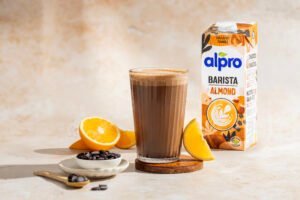
It helps to make this concrete. The following scenarios are illustrative rather than drawn from a specific named account, but they mirror the patterns operators see repeatedly across the Dubai market.
Scenario one: the same dish, two very different results
Picture a single signature dish photographed two ways. The first is a quick phone snap under harsh restaurant lighting. The second is a professionally styled and lit frame that captures texture, freshness and color. Nothing about the recipe, the price or the kitchen changes. Yet on a delivery app, the professional image earns far more taps and orders, because it wins the split-second visual comparison against competing listings. Same food, same price, materially different revenue. The only variable is presentation.
Scenario two: better visuals unlock higher pricing
Now consider pricing power. A cafe wants to raise the price of a dessert but fears pushback. Before touching the number, it upgrades the visual, presenting the dessert as a premium, considered creation rather than a casual sweet. The stronger image reframes the customer’s perception of value, and the higher price now feels justified rather than greedy. Visuals did not just sell the item, they expanded the margin the brand could command on it.
Scenario three: stronger creative improves ad performance
Finally, think about paid campaigns. Two restaurants run ads with identical budgets and targeting. One uses generic, weak creative, the other uses sharp, appetising, platform-native visuals. The stronger creative earns more attention, more clicks and lower cost per result, because the algorithms reward engaging content with cheaper reach. The brand with better visuals gets more customers for the same spend, while the other slowly burns budget wondering why ads are not working.
Why This Matters for Your F&B Brand’s Growth
When visuals are treated as a serious asset, the impact shows up across the entire business, not just the marketing report. The effects reinforce one another and compound over time.
More orders. Every improvement in how appetizing your listings and posts look lifts the rate at which browsers become buyers. On delivery platforms and social feeds, where attention is scarce and comparison is instant, stronger visuals directly increase the number of orders you capture from the same audience.
Higher conversion rates. Marketing spend and reach only matter if they convert. Conversion-focused imagery means more of the traffic you already pay for or earn actually turns into revenue, improving the return on every dirham you invest in visibility.
Real pricing power. A premium visual identity lets you charge what your food is worth instead of racing competitors to the bottom. This is the single most effective escape route from discount dependency, because it changes perceived value rather than simply cutting the price.
Stronger brand perception and recall. Consistent, high-quality visuals build a brand customers recognize and remember. Recall drives repeat visits and word of mouth, the cheapest and most durable growth any F&B business can have.
Better platform visibility. Social and delivery algorithms favor content that engages. Better creative earns more organic reach and cheaper paid reach, compounding your visibility without a proportional rise in budget.
Put together, these outcomes explain why visual excellence is not a vanity project. It touches orders, margins, retention and reach at the same time, which is why the strongest F&B brands protect and invest in it as carefully as they protect the quality of the food itself.
What to Look for in an F&B Marketing Agency in Dubai
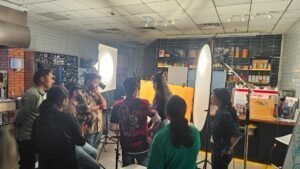
Not every agency is built for the food and beverage world, and the difference matters enormously. A generalist marketing shop can run ads and schedule posts, but F&B success depends on visual craft and category understanding that generalists rarely possess. When evaluating an F&B marketing agency Dubai side by side, a few criteria separate a genuine growth partner from a vendor.
F&B specialization. Look for a team that lives in food. Understanding cravings, menu psychology, delivery dynamics and the rhythm of the Dubai dining scene cannot be improvised. Specialists arrive with instincts a generalist has to learn on your budget.
In-house creative capability. Because visuals are the engine, the partner should own food photography, videography and design directly rather than outsourcing the very thing that drives your results. Control over the craft means control over quality and consistency.
A strategy-first mindset. Beautiful content that ignores business goals is expensive decoration. The right partner connects every asset to orders, margin and positioning, and can explain how a shoot ties back to revenue.
This is the space Food On Focus was built to occupy. As a specialist F&B creative and consulting agency in Dubai, it combines conversion-focused content production, coherent branding and design, and consulting across menu and launch strategy, so that creativity and commercial performance pull in the same direction rather than competing for attention.
When Should You Work With an F&B Creative Agency?
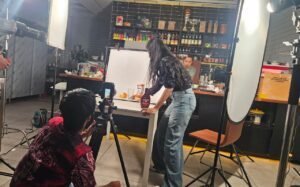
Timing matters. There are specific moments when bringing in a specialist partner delivers outsized returns, because the cost of getting the visuals and positioning wrong is highest at exactly these points.
At launch
A new venue only gets one first impression. Strong visuals, a clear brand identity and a confident launch presence set the tone for how customers value you from day one. Getting this right early avoids years of playing catch-up on perception.
During a rebrand or repositioning
If your brand no longer reflects the quality of your food, or you are moving upmarket, a rebrand is the moment to rebuild the visual language deliberately. This is not a cosmetic refresh, it is a reset of how the market perceives your value.
While scaling or expanding
Opening new branches or entering new areas multiplies the need for consistency. A specialist partner keeps every location, listing and campaign visually aligned so growth strengthens the brand instead of diluting it.
When conversions are low
If you have traffic on your delivery apps and social profiles but weak orders, the leak is almost always at the point of visual decision. Upgrading the creative on those listings is often the fastest available lever on revenue.
When ad performance is disappointing
If campaigns feel like pouring money into a bucket with a hole in it, the creative is usually the culprit before the targeting. Stronger, platform-native visuals routinely lift results without any increase in spend.
Frequently Asked Questions
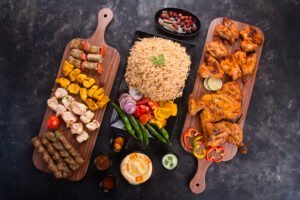
F&B marketing agency Dubai: Why is food photography so important for restaurants in Dubai?
Because customers decide with their eyes first. On social feeds and delivery apps, your food competes as an image before anyone can taste it. Professional photography makes dishes look appetizing and trustworthy, which directly increases taps, orders and the price customers are willing to pay.
Does better food photography actually increase orders?
Yes. When your dishes look more appetizing than the competition sitting beside them on a delivery app or in a feed, more browsers convert into buyers from the same audience. Better visuals lift both organic reach and paid campaign performance, so the same traffic produces more revenue.
How much does an F&B marketing agency in Dubai cost?
It varies with scope, from a single menu shoot to a full retainer covering content, branding and consulting. The more useful question is return rather than price. Because strong visuals improve conversion, pricing power and ad efficiency at once, quality creative typically pays for itself rather than sitting as a pure cost.
How can I improve my delivery platform conversions?
Treat your listing as a conversion asset, not a static menu. Upgrade dish photography so items look appetizing at thumbnail size, structure the menu clearly, and keep visuals consistent with your brand. These changes lift the rate at which browsers become paying orders without needing more traffic.
Do I really need branding, or is good food enough?
Good food is essential, but on its own it is invisible online. Branding is what makes your quality recognizable and memorable across every touchpoint, so customers choose you, remember you and return. Without it, you compete on price. With it, you compete on value.
Your Visuals Are Already Talking to Your Customers. What Are They Saying?
Take an honest look at your own brand the way a first-time customer would. Open your delivery listing, scroll your Instagram grid and glance at your menu, all through the eyes of someone deciding whether to spend. Do the visuals make the food look irresistible, or merely acceptable? Do they signal a premium experience worth paying for, or do they quietly push customers towards a cheaper alternative? Are they consistent enough that someone would recognize your brand in a crowded feed?
If those answers are anything less than confident, your visuals are almost certainly costing you orders, margin and recall every day, and the fix is more within reach than most owners assume.
When you are ready to turn your food’s appearance into a genuine growth advantage, a specialist F&B creative and consulting partner is the natural next step. Explore how Food On Focus helps restaurants, cafes and cloud kitchens across Dubai and the UAE do exactly that and start the conversation here.