DIY vs Professional Food Photography: Why This Decision Impacts More Than Your Instagram Feed
Most restaurant owners initially believe that DIY vs Professional Food Photography is a simple choice. Buy a modern smartphone, use natural lighting, edit slightly, and upload to Instagram. At first glance, the DIY approach feels practical, fast, and cost-effective. And technically, it works. You can absolutely take food photos using a phone. Modern smartphone cameras have improved significantly, and many restaurants successfully use casual mobile content for stories, quick promotions, and behind-the-scenes engagement. However, when comparing DIY vs Professional Food Photography, the difference becomes clear when your images are expected to drive orders, build trust, and position your restaurant as a premium brand.
But this is where most restaurant owners misunderstand the bigger issue.
The real question is not whether DIY food photography is possible.
The real question is whether DIY food photography can consistently increase conversions, elevate brand perception, improve delivery performance, and support long term restaurant growth.
Because in today’s F&B industry, visuals are no longer supporting marketing.
Visuals are the marketing.
Customers now experience your restaurant digitally before they experience it physically. They discover your brand through Instagram, delivery apps, Google listings, and short form content. That means your food photography becomes your first salesperson.
And first impressions directly influence revenue.
This is why the conversation around DIY versus professional food photography is no longer just creative. It is commercial.
This is also where many restaurants begin realizing the limitations of handling visuals internally without a structured strategy behind them.
The Rise of DIY Food Photography in Restaurants
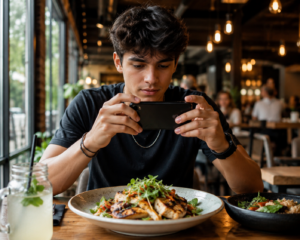
DIY food photography became popular for one obvious reason.
Accessibility.
Restaurants now have access to:
- High quality smartphones
- Editing applications
- Affordable lighting equipment
- Social media tutorials
- AI based editing tools
This lowered the barrier significantly.
Many cafés, cloud kitchens, and startups began producing content internally because it felt more agile and affordable compared to hiring a professional F&B creative team.
In certain situations, DIY photography genuinely works.
Quick chef moments, behind the scenes preparation, daily stories, or limited time offers can benefit from casual smartphone content because it feels immediate and authentic. Some experts even note that raw social content can perform well for engagement-based content on platforms like Instagram Stories and TikTok.
But the problem starts when restaurants expect DIY visuals to perform like professionally structured brand assets.
That is where execution gaps become visible.
And this is where many restaurants unknowingly start losing revenue.
What DIY Food Photography Actually Gets Right
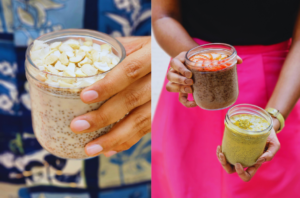
DIY photography is not inherently bad.
In fact, it offers genuine operational advantages when used strategically.
Speed and Flexibility
Restaurants can instantly capture new menu items, promotions, seasonal dishes, or customer moments without coordinating production schedules.
This flexibility matters in fast moving restaurant environments where trends shift quickly.
A café launching a weekend special can create same day social content rather than waiting for production timelines.
Lower Immediate Costs
For startups operating under limited budgets, DIY photography feels financially practical.
There are no photographer fees, styling costs, or production retainers.
This makes DIY attractive during early launch phases when restaurants prioritize survival and operational setup.
However, this is also where many restaurants calculate costs incorrectly.
They calculate production expense.
They do not calculate lost conversions.
Authenticity on Social Media
Casual content often performs well on engagement focused platforms.
Customers enjoy seeing:
- Kitchen moments
- Team interactions
- Fresh dishes
- Daily activity
This creates relatability.
In fact, even professionally managed restaurant brands still use mobile content as part of broader content ecosystems.
But high performing brands understand an important distinction.
Authentic content supports engagement.
Professional content supports conversion.
And confusing those two objectives is where many restaurants struggle.
Where DIY Food Photography Starts Breaking Down
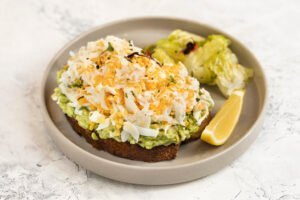
The issue is not occasional DIY content.
The issue is relying entirely on DIY visuals as the foundation of your restaurant brand.
This is where most restaurants hit a ceiling.
Inconsistent Visual Quality
One image looks bright and premium.
Another looks dark and flat.
One burger looks appetizing.
Another looks average.
Lighting changes. Angles change. Editing changes. Color tones change.
Over time, the brand loses visual consistency.
And consistency is critical because customers subconsciously associate polished visuals with operational quality and trust.
Professional photographers maintain consistency because they control:
- Lighting
- Styling
- Composition
- Color grading
- Editing workflow
This creates cohesive branding across platforms.
This is also where specialized F&B creative agencies like Food on Focus change outcomes significantly because they approach photography as a structured brand system rather than isolated content creation.
Food Styling Is Harder Than Restaurants Think
One of the biggest misconceptions in the restaurant industry is assuming good food automatically photographs well.
It does not.
Food created for eating behaves differently under cameras.
Professional food photography involves food styling techniques designed specifically for visual appetite appeal.
Texture, steam, garnish placement, sauce consistency, color contrast, and composition all influence how appetizing food appears digitally. Industry experts consistently highlight that food photography requires controlled styling to maintain freshness and visual structure under production conditions.
This difference matters enormously because customers judge quality visually before ordering.
A poorly styled premium dish can underperform against a professionally styled average dish.
That is the commercial reality of digital first restaurant marketing.
Delivery Platforms Expose Weak Photography Instantly
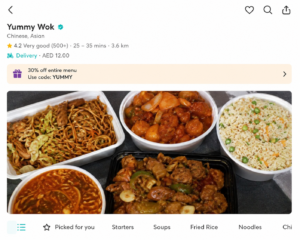
Delivery platforms are visual marketplaces.
Customers scroll rapidly and compare restaurants within seconds.
Weak visuals reduce:
- Click through rate
- Conversion rate
- Average order value
- Customer trust
Restaurants with stronger photography frequently outperform competitors with similar food quality simply because their presentation feels more desirable.
This is where restaurants quietly lose revenue without realizing why.
They assume weak conversions are caused by pricing or competition when the actual issue is visual perception.
And this is exactly where many growing restaurants begin working with specialized agencies like Food on Focus because the issue is no longer photography alone.
It becomes a performance problem.
Why Professional Food Photography Performs Differently
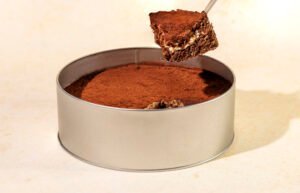
Professional food photography is not just about better equipment.
It is about structured visual communication designed around customer psychology.
A professional shoot combines:
- Lighting control
- Food styling
- Brand consistency
- Platform optimization
- Conversion focused composition
- Editing precision
- Marketing strategy
This transforms photography from casual content into commercial infrastructure.
That difference changes how customers perceive your restaurant before they ever order.
Professional Photography Creates Stronger Brand Perception
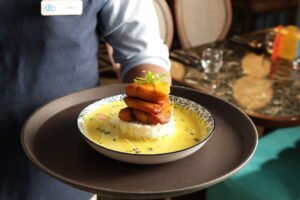
Restaurants often underestimate how much photography influences pricing power.
Poor visuals make food look cheaper.
Professional visuals elevate perceived value instantly.
A professionally photographed burger feels premium before customers even read the description.
The same dish photographed casually may look forgettable.
The food did not change.
The perception changed.
And perception directly affects willingness to pay.
This is one reason premium restaurant brands invest heavily in visual consistency. They understand that branding is not just logos and colors.
Branding is perception management.
This is where specialized F&B agencies bring strategic value because they align food visuals with broader positioning goals instead of treating photography as isolated content production.
Better Photography Improves Advertising Performance
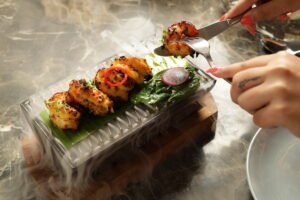
Advertising performance depends heavily on creative quality.
Weak visuals increase ad fatigue quickly because they fail to create emotional response.
Professional visuals improve:
- Click through rates
- Engagement
- Conversion rates
- Cost efficiency
This is particularly important in Dubai’s competitive F&B advertising landscape where customers are constantly exposed to premium restaurant content.
A restaurant using inconsistent DIY photography often struggles to scale ads efficiently because the creative itself limits performance.
This is where professional F&B creative execution becomes a growth investment rather than a marketing expense.
The Hidden Cost of Cheap Food Photography
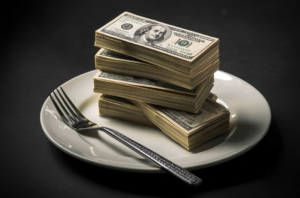
Most restaurants calculate photography costs incorrectly.
They focus only on what they spend.
They rarely calculate what weak visuals cost them.
Weak photography can quietly reduce:
- Orders
- Conversion rates
- Average order value
- Brand recall
- Pricing flexibility
- Ad efficiency
A restaurant may save AED 5,000 on photography while losing significantly more in reduced performance across delivery platforms and campaigns.
This is the hidden cost of weak execution.
And it compounds every month.
Real World Scenario: Same Dish, Different Results
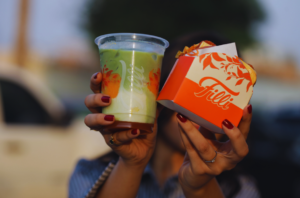
Imagine two burger restaurants on a delivery app.
Both serve similar quality burgers.
One uses inconsistent DIY images with flat lighting and weak styling.
The other uses professionally structured visuals showing texture, layering, color contrast, and freshness.
Which restaurant feels premium?
Which receives more clicks?
Which drives higher conversions?
Customers do not analyze photography technically.
They react emotionally.
And emotional reactions influence food decisions extremely quickly.
This is why visuals directly impact restaurant growth.
Should Restaurants Completely Avoid DIY Photography?
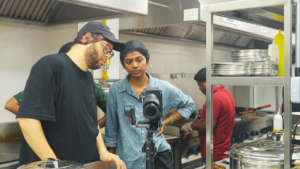
No.
That would be unrealistic and strategically unnecessary.
The smartest restaurant brands combine both approaches.
Where DIY Photography Works Best
DIY photography works well for:
- Stories
- Daily updates
- Kitchen moments
- Team content
- Time sensitive posts
- Casual engagement content
This type of content benefits from immediacy and authenticity.
Where Professional Photography Is Essential
Professional photography becomes critical for:
- Delivery platforms
- Menus
- Website banners
- Paid campaigns
- Launches
- Brand shoots
- Franchise growth
- Investor presentations
These are long term assets tied directly to revenue generation.
And this is where specialized F&B creative teams like Food on Focus create measurable value because they structure visuals around conversion, consistency, and business performance rather than just aesthetics.
DIY vs Professional Food Photography: What High Performing F&B Brands Do Differently
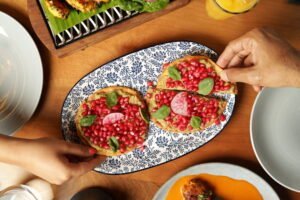
Successful restaurant brands do not approach photography emotionally.
They approach it strategically.
They understand that:
- Casual content maintains engagement
- Professional content drives conversions
More importantly, they maintain consistency across all platforms.
- Delivery apps
- Menus
- Campaigns
- Google listings
Everything feels connected.
That level of cohesion rarely happens accidentally.
It usually comes from structured creative direction supported by specialized F&B expertise.
Why This Matters More in Dubai’s Restaurant Market
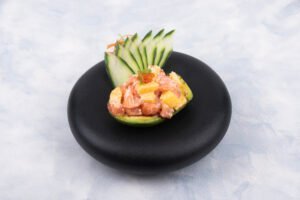
Dubai is one of the most visually competitive F&B markets globally.
Customers compare your restaurant against premium brands every single day.
That means poor visuals immediately lower perceived quality because customers subconsciously benchmark your brand against highly polished competitors.
This raises the standard significantly.
And this is why many restaurants eventually outgrow DIY approaches as they scale.
At some point, growth requires stronger visual infrastructure.
This is where restaurants increasingly move towards specialized F&B creative partners like Food on Focus because the challenge is no longer just content creation.
It becomes about conversion, positioning, and sustained growth.
When Restaurants Should Invest in Professional Food Photography
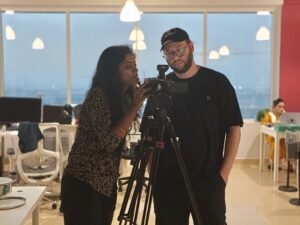
Restaurants should seriously consider professional photography when:
- Launching
- Rebranding
- Expanding delivery operations
- Scaling locations
- Running paid campaigns
- Facing low conversions
- Building franchise systems
At these stages, photography becomes a business driver rather than a creative task.
And this is where execution quality starts directly influencing revenue outcomes.
The Real Difference Between DIY and Professional Photography
The difference is not the camera.
The difference is strategy.
DIY photography documents food.
Professional photography sells food.
That distinction changes everything.
Because in today’s restaurant industry, customers experience your visuals before they experience your product.
And this is where many restaurants realize their visuals are quietly limiting growth.
FAQs
Is DIY food photography enough for restaurants?
DIY photography works well for casual social content and quick updates. However, for menus, delivery platforms, advertising, and branding, professional photography generally performs far better.
Does professional food photography increase orders?
Yes. High quality visuals improve customer confidence, increase appetite appeal, and improve conversion rates across delivery platforms and campaigns.
Why do professional food photos look different?
Professional food photography combines lighting control, food styling, editing precision, composition, and brand consistency to create stronger visual impact.
How much does professional food photography cost in Dubai?
Costs vary depending on menu size, styling requirements, production complexity, and deliverables. Most restaurant shoots are structured around campaign scope and number of dishes.
Should restaurants use both DIY and professional photography?
Yes. The strongest restaurant brands combine both strategically. DIY supports daily engagement while professional visuals support long term growth and conversions.
Final Thought on DIY vs Professional Food Photography
Look honestly at your current restaurant visuals.
Do they make customers stop scrolling
Do they justify your pricing
Do they create immediate appetite and trust
Or are they simply documenting the food without actually selling it?
That difference matters more than most restaurants realize.
Because in today’s F&B industry, customers often decide whether your food feels worth ordering long before they taste it.
And this is exactly where strategic F&B creative execution changes business outcomes.
Not through prettier images alone, but through visuals designed to influence perception, improve conversions, and support long term restaurant growth.
This is also why more restaurants are moving beyond generic photography services and partnering with specialized F&B creative agencies like Food on Focus that understand how visuals connect directly to restaurant performance.
Planning this for your own brand? See our food photography service in Dubai.