The best alternative to a prominent food branding agency depends on whether your main gap is strategy, identity, packaging, content, local knowledge, or execution.
Which food branding alternative fits my bottleneck?
The right alternative starts with the problem that could most damage the launch, not the reputation of the provider. A business with unclear positioning needs strategic thinking first, while a business with a settled concept may only need packaging, photography, or a usable identity system.
Separate the work into five possible bottlenecks:
- Strategy, including audience, positioning, offer structure, and brand voice.
- Identity, including naming, logo direction, typography, colour, and visual rules.
- Packaging, including shelf visibility, information hierarchy, labels, and production constraints.
- Content, including food photography, video, social assets, and campaign concepts.
- Implementation, including menus, website pages, signage, templates, and rollout support.
A specialist can be a better alternative when one bottleneck is creating most of the risk. A full-service agency becomes more useful when several bottlenecks are connected and one person must coordinate them. Avoid paying for broad discovery and campaign services when the actual requirement is a packaging refresh with clear production specifications.
The common failure is choosing a provider by deliverable volume. A long list of services does not show that the provider understands your category, audience, sales channel, or operational limits. Write one sentence describing the decision the branding must improve, such as “Help first-time buyers understand why this chilled meal costs more than a supermarket substitute.” Use that sentence to assess every option.
Compare the practical alternatives by scope and control
Food businesses usually have six credible alternatives to a large or highly visible branding agency: a boutique branding studio, an independent strategist or designer, an in-house team, a specialist production partner, a local-market consultant, or a hybrid team assembled for the project.
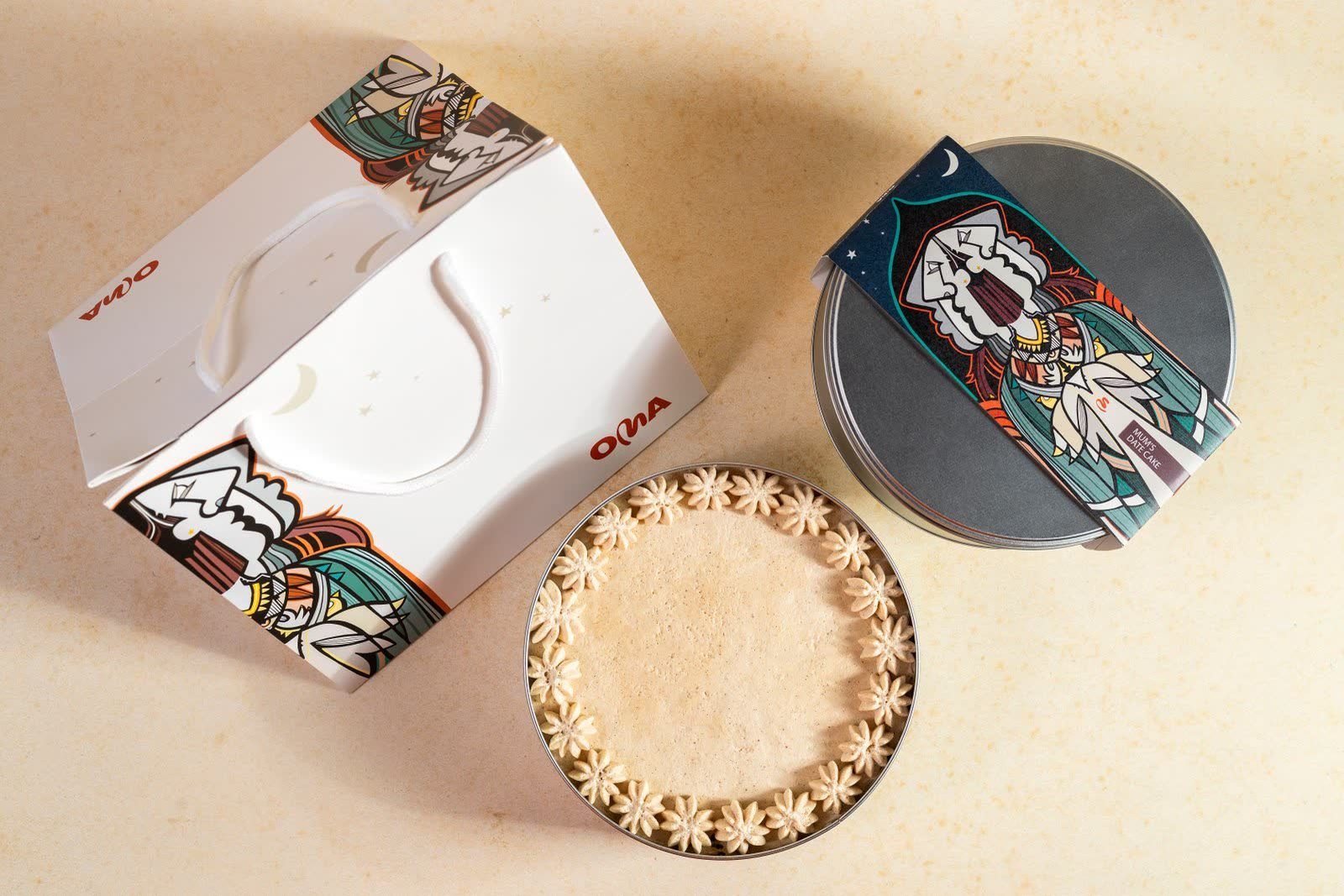
A boutique studio suits a business that wants senior attention and a narrower scope. An independent strategist or designer suits an early-stage brand that needs direct collaboration and a focused identity or positioning project. An in-house team suits an established operator that needs continuous brand decisions, fast revisions, and ownership of working files. A production specialist suits a defined need such as packaging artwork, photography, video, or menu systems rather than a complete brand platform.
A local-market consultant can add useful context when language, cultural cues, retail habits, or regional regulations affect how the brand should be understood. That consultant may not replace a designer, but can prevent a polished identity from missing its intended audience. A hybrid team combines roles, for example, a strategist for positioning, a packaging designer for the label, and an in-house marketer for rollout.
Use this decision rule:
- Choose one specialist when one problem is clearly dominant.
- Choose a boutique studio when connected strategy and design are needed without a broad agency structure.
- Choose in-house ownership when the work will continue after launch.
- Choose a hybrid when no single provider has the required category, market, and production knowledge.
The hybrid route often requires more coordination, so assign one person to approve decisions and maintain the brief.
Test capability with a constrained brief
A constrained brief reveals more than a polished portfolio because it shows how a provider thinks about your specific commercial problem. Ask each candidate to respond to the same short brief, without requesting unpaid campaign concepts or a finished identity.
Include the product, audience, sales channel, launch constraint, current problem, required deliverables, decision-maker, and approval date. Ask what the provider would clarify first, what they would leave out, what dependencies could delay the work, and how they would judge whether the result is working.
Check the response against these criteria:
- Does it repeat your business problem in precise language?
- Does it distinguish essential work from optional work?
- Does it identify packaging, legal, production, or channel constraints?
- Does it explain who needs to approve each decision?
- Does it show how strategy will become usable brand assets?
If a response fails, do not solve the gap for the candidate. Ask one clarification question and note whether the answer becomes more specific. A provider that cannot turn a loose request into a workable sequence may create attractive outputs that are difficult to approve or deploy.
Illustrative example: a hypothetical fermented drink brand has a strong name and logo but weak repeat purchases. The input is a retention problem, not a logo problem. The action is to ask candidates to audit the shelf message, product promise, and post-purchase touchpoints. Check the result by confirming that each recommendation links to a buyer decision and a practical asset, such as a label panel, email, or point-of-sale message.
Separate specialist quality from coordination cost
A cheaper-looking alternative can become expensive when the owner has to translate between specialists, rewrite the brief, or repair inconsistent assets. Compare the full operating cost, not only the quoted creative fee.
Record who owns the strategy, who creates the assets, who gives feedback, who manages suppliers, and who keeps the final files organised. Confirm whether the provider can work within your print, photography, packaging, website, or content workflow. A specialist may deliver excellent work while still being the wrong choice if nobody internally can coordinate the handoffs.
Ask for clarity on:
- The decisions included in the scope.
- The number and purpose of review rounds.
- The formats and working files you will receive.
- The responsibilities that remain with your team.
- The process for changes after approval.
Consider a hybrid when coordination is manageable and the specialist advantage is substantial. Choose a more integrated partner when your team lacks the time or confidence to manage dependencies. Neither option is automatically superior. The useful comparison is whether the structure protects the decision that matters most, such as launch timing, packaging accuracy, or consistent communication across channels.
Food & Beverage Branding UAE can help readers researching regional branding considerations see how location-specific context may affect their shortlist. The same evaluation still applies: identify the local question, assign it to the person qualified to answer it, and keep final brand decisions with one accountable owner.
Turn the shortlist into a decision-ready next step
A useful shortlist ends with a clear next action, a defined decision owner, and a brief that a chosen provider can price or plan accurately. Do not contact candidates with only a request for “branding”; state the business context and the result you need from the first engagement.
Prepare these materials before requesting a proposal:
- A short description of the product, audience, market, and sales channel.
- Existing brand files, packaging, menus, photography, or website pages.
- The problem you want the work to solve.
- The decisions that are already fixed and the decisions still open.
- A realistic launch or review window.
- The people who can approve strategy, design, and production.
Then ask for a proposed sequence rather than a menu of services. The sequence should show what happens first, what information is needed, what you receive at each stage, and where your team must respond. If the recommendation is a specialist or hybrid, ask who coordinates the work and how conflicting advice will be resolved.
Contact Food On Focus Media when you are ready to discuss your food branding brief and the practical next step. Bring the bottleneck, current materials, target audience, and decision timeline so the conversation can focus on fit rather than a generic agency comparison.
Frequently asked questions
What is the best alternative to a large food branding agency?
The best alternative is the provider that matches your main bottleneck. A specialist suits a defined packaging, identity, photography, or strategy problem. A boutique studio suits connected strategy and design. An in-house team suits ongoing work. A hybrid team suits projects requiring different specialists, provided one person coordinates decisions and approvals.
Can a freelancer handle food branding?
A freelancer can handle food branding when the scope is focused and the business can provide clear decisions, feedback, and production support. Freelancers may be suitable for positioning, identity, packaging, or content work. Confirm their relevant category experience, working process, file delivery, review structure, and responsibility for coordinating any additional specialists.
When should a food business choose a hybrid branding team?
Choose a hybrid branding team when the project needs capabilities that rarely sit with one provider, such as strategy, packaging, local-market insight, and photography. Appoint one accountable coordinator before work begins. Without a shared brief, approval process, and clear ownership of final decisions, the hybrid model can create inconsistency and delay.
How should I compare food branding providers fairly?
Compare providers using the same constrained brief, not only their portfolios or service lists. Assess how clearly they define your problem, identify constraints, separate essential work from optional work, explain approvals, and connect recommendations to usable assets. Also compare coordination responsibilities, file ownership, review rounds, and post-approval support.