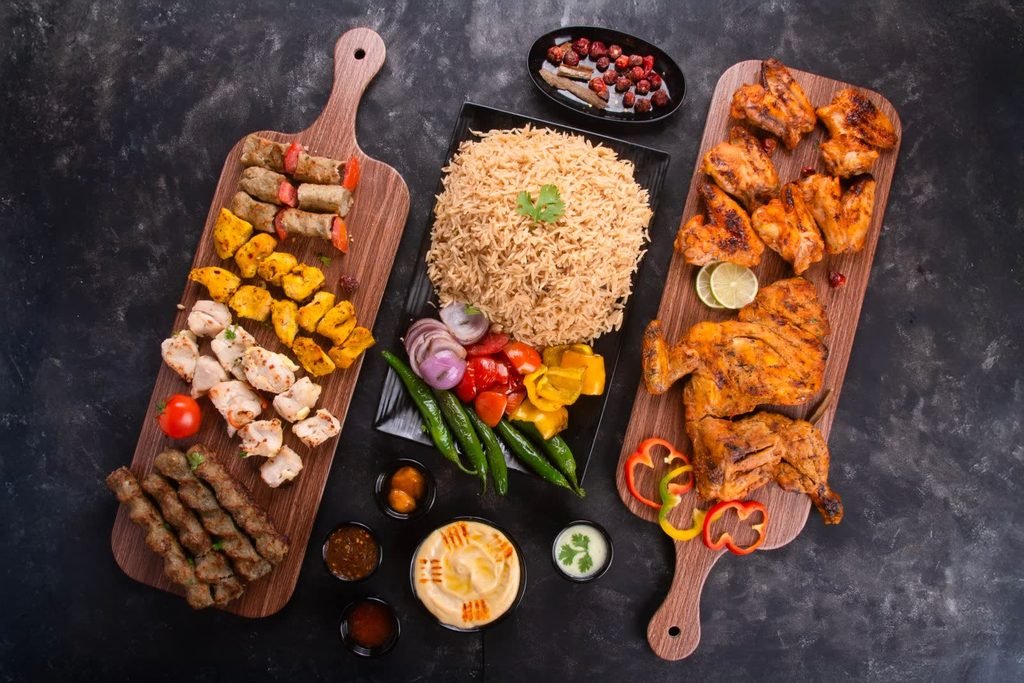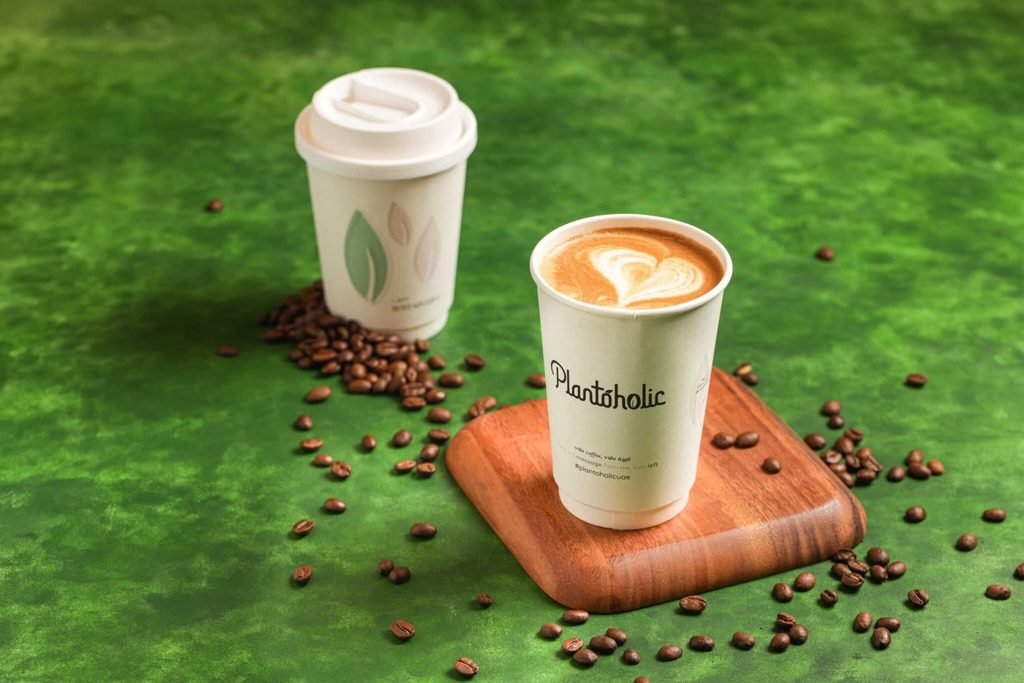
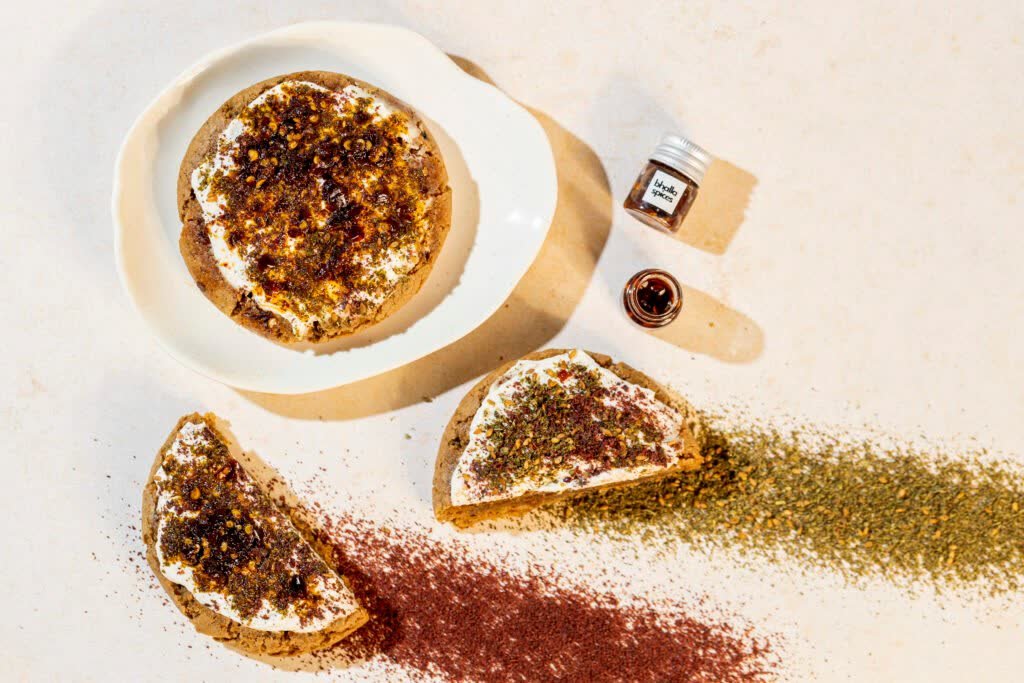
Most restaurants are not struggling because of their food quality. They are struggling because their Restaurant Menu Photography does not sell visually. That is the real issue.
Customers today do not read menus first. They scan images, form an impression in seconds, and decide whether your food is worth their money. If your visuals fail at that exact moment, you lose the sale before the customer even considers your offering.
That first glance is doing more work than most owners credit. It sets the customer’s expectation of quality, signals whether the price feels fair, and decides whether they keep reading or move on, all before a single word of the menu is taken in. Treat the photograph, not the description, as the opening argument for every dish.
This is why restaurant menu photography ideas should never be treated as creative inspiration alone. They must be approached as a structured system designed to influence customer behavior, increase conversions, and strengthen brand positioning.
The ten ideas below are written with that in mind. Each is paired with the business reason it works, so you can judge which ones fit your venue rather than copying a look because it photographed well for someone else. Read them as options to choose between, and the sections after them as how to turn the ones you pick into a shoot, adapt them per platform, and keep them current.
The Reality: Your Restaurant Menu Photography is your primary sales interface
In a digital-first ordering environment, your menu is no longer a supporting asset. It is the core of your revenue engine.
Customers browsing delivery platforms or social media rely heavily on visuals to evaluate food quality, portion size, and freshness. (Ravikant Photography)
Insight
Your menu images determine whether a customer considers your brand at all.
Explanation
Visuals are processed instantly, while text requires effort. This means your images act as a filter that either pulls customers in or pushes them away.
Real-world implication
If your dish does not look appealing within a few seconds, it is skipped, regardless of its actual taste.
Business outcome
Lower conversion rates, higher dependency on discounts, and weaker brand perception.
This is where most restaurants misjudge the problem. They assume visibility is the issue, when in reality, their visuals are not converting attention into orders.
What competitors are doing and where they fall short
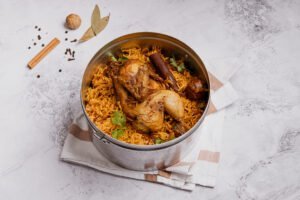
Looking at providers such as My Pinch of Wow and Mutasim Photography, their positioning is built around:
- High-quality styled food photography
- Clean menu imagery and plating
- Lifestyle and ambience visuals
- Technical execution and editing
This is good execution, but it is incomplete.
The gap is clear.
Most of these services focus on how the food looks, but not on how the images perform in a commercial context. There is little emphasis on:
- Conversion-driven visuals
- Menu engineering through photography
- Platform-specific optimization
- Consistent visual systems across channels
As a result, restaurants receive polished images but still struggle with low orders.
This is exactly where the difference between content and strategy becomes obvious.
Restaurant menu photography ideas that actually increase sales
These ideas are built around one principle. Every image must drive a decision.
1. Hero dish prioritization
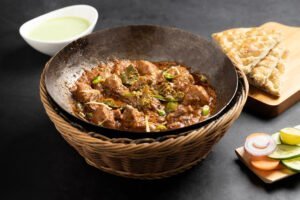
Most menus fail because they lack visual hierarchy.
Insight
Not every dish should be treated equally.
Explanation
Customers naturally gravitate towards visually dominant items. If your high-margin dishes do not stand out, you lose control over ordering behavior.
Execution
- Focus on top-selling and high-margin dishes
- Use clean, high-impact hero shots
- Eliminate unnecessary visual clutter
Business outcome
Higher sales for profitable items and improved menu performance.
2. Texture-driven close-ups
Insight
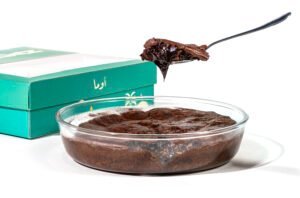
Texture creates desire faster than composition.
Explanation
Close-up visuals highlight crispness, creaminess, and freshness, triggering sensory imagination.
Execution
- Capture details like melted cheese, sauces, and grill marks
- Emphasize gloss, steam, and depth
Business outcome
Stronger craving response and higher conversion rates.
3. Clean menu-focused photography
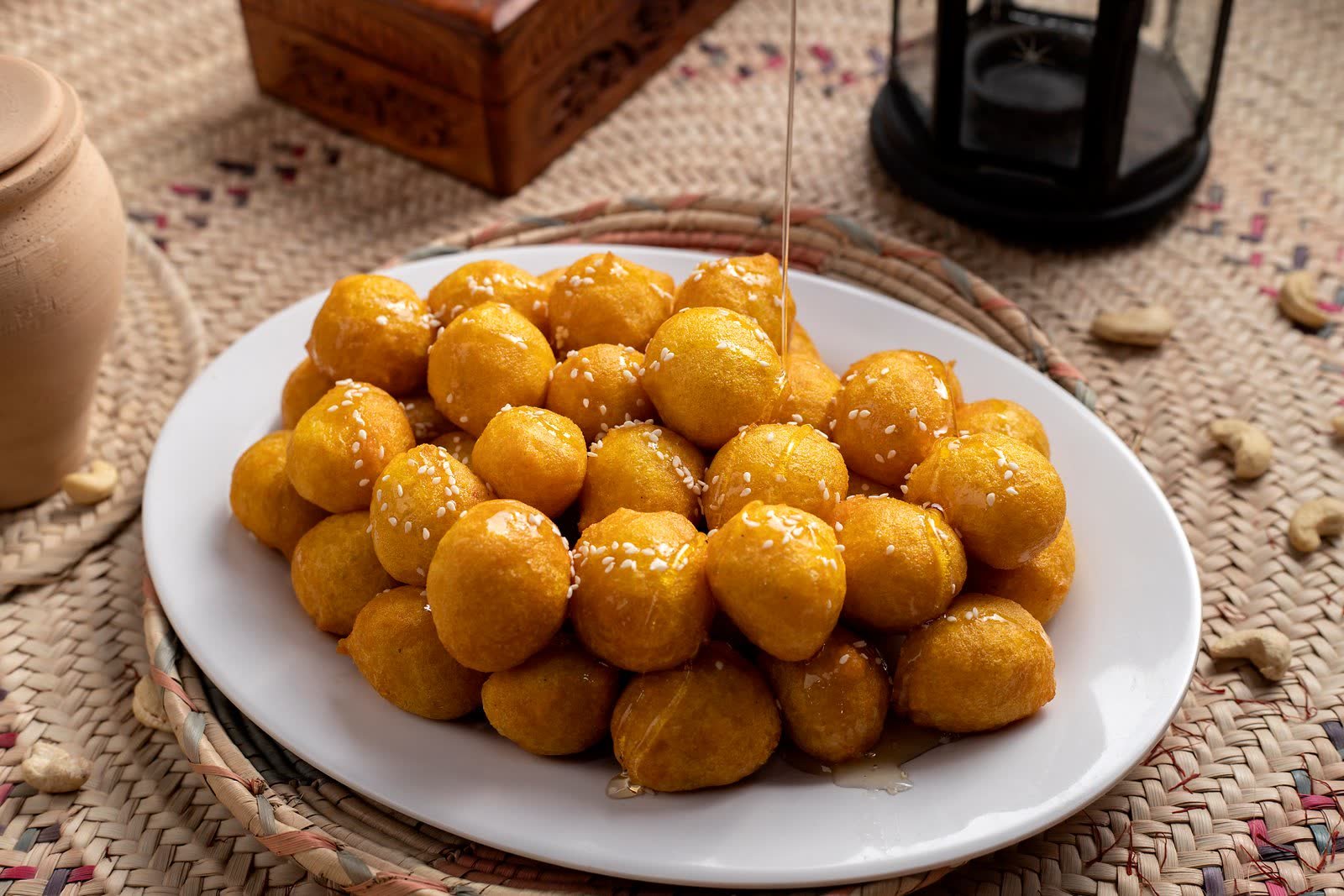
This is one area competitors execute correctly, but most restaurants apply it poorly.
Insight
Clarity reduces hesitation.
Explanation
Simple, distraction-free images help customers understand the dish instantly, which is critical for delivery platforms.
Execution
- Use clean backgrounds
- Ensure accurate color and portion representation
Business outcome
Higher click-through rates and fewer abandoned orders.
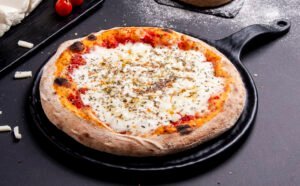
4. Premium minimalist styling
Insight
Less visual noise increases perceived value.
Explanation
Minimal compositions position your food as refined and high quality.
Execution
- Neutral backgrounds
- Controlled lighting
- Limited props
Business outcome
Higher pricing power and stronger brand positioning.
5. Lifestyle-driven storytelling
Insight
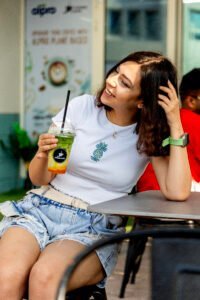
Customers do not just buy food. They buy experiences.
Explanation
Contextual visuals allow customers to imagine themselves consuming the dish.
Execution
- Hands interacting with food
- Table setups and shared meals
- Social dining moments
Business outcome
Higher emotional engagement and increased order value.
6. Multi-dish compositions for upselling
Insight
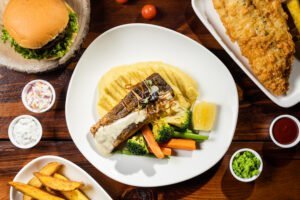
Customers order more when they see combinations.
Explanation
Displaying multiple dishes together encourages bundling behavior.
Execution
- Combo meals
- Table spreads
- Sharing platters
Business outcome
Higher average order value and improved revenue per transaction.
7. Natural and Authentic Presentation
Insight
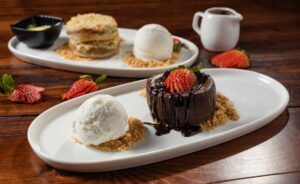
Overly polished visuals reduce trust.
Explanation
Customers prefer food that looks realistic and relatable rather than artificially perfect.
Modern trends emphasize natural plating and human elements within the frame. (Commercial Photography)
Execution
- Slight imperfections
- Natural lighting
- Realistic plating
Business outcome
Higher trust and improved conversion rates.
8. Action and motion-based visuals
Insight
Movement captures attention instantly.
Explanation
Dynamic visuals stand out in crowded feeds and create engagement.
Execution
- Pouring sauces
- Drinks being prepared
- Final plating moments
Business outcome
Better ad performance and stronger engagement.
9. Platform-specific visual strategy
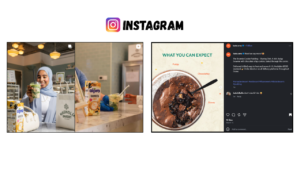
Insight
One image cannot perform across all platforms.
Explanation
Different platforms require different visual approaches.
Execution
- Clean, clear images for delivery apps
- Story-driven visuals for Instagram
- High-impact creatives for ads
Business outcome
Improved performance across all channels.
10. Consistent visual identity
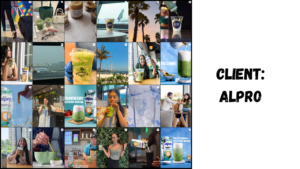
Insight
Consistency builds recognition.
Explanation
A unified visual style across all platforms strengthens brand recall.
Execution
- Consistent lighting and color grading
- Defined styling approach
- Standardized composition
Business outcome
Stronger brand identity and repeat customer behavior.
How to Choose Which Ideas to Use
Ten ideas is a menu to choose from, not a checklist to complete. Trying to apply all of them at once produces a scattered, inconsistent set that pulls in different directions, which is the opposite of what drives revenue. The better approach is to pick the two or three that fit your brand and your platforms, then apply them consistently across the dishes that matter most.
Start from where your orders actually come from. A delivery-led brand should lean on clean, menu-focused photography and platform-specific framing, because those are what convert in a crowded app grid. A premium dine-in venue gets more from minimalist styling and lifestyle storytelling that justify the price. Whatever the mix, begin with your hero dishes rather than the whole menu, since those images are seen most and move the most money. Our guide to how many dishes to photograph helps you draw that shortlist before you plan the shoot.
Turning Ideas Into a Shoot
An idea only drives revenue once it survives contact with a real shoot, and the difference between a session that delivers and one that disappoints is almost always the brief. Deciding in advance which ideas apply to which dishes, what each image is for, and where it will be used lets the photographer frame deliberately rather than guessing on the day. A clear shot list built from the two or three ideas you have chosen turns an abstract strategy into a set of usable images.
This is also where cost is won or lost. A vague request wastes shoot time, which is the thing you are paying for, while a precise brief captures everything you need in one planned session. Our guide to writing a food photography brief walks through how to put that together, and our Dubai food photography pricing guide explains what actually drives the cost so you can plan the budget around it.
Match the Idea to the Platform
The same dish often needs a different treatment depending on where the image will live. A clean, tightly cropped, legible shot wins on a delivery app, where your photo sits beside competitors in a small thumbnail and clarity beats atmosphere. A moodier, lifestyle-led or motion-based version suits a social feed, where the job is to stop a scroll and build desire. Deciding the destination before you shoot means you capture the right version first rather than re-cropping later.
For delivery in particular, the platforms each have their own specifications and framing behaviour, and getting these wrong undercuts even a strong image. Our guides on the photo requirements for Talabat, Deliveroo, Careem and noon Food and on shooting menu photos that sell cover exactly how to adapt these ideas for the apps.
Keep the Set Current
Even the strongest menu photography loses its edge if it is allowed to date. Dishes get replated, menus change, and a set that looked current a year ago can quietly start to mislead, which erodes the trust these images exist to build. The ideas here are not a one-off project; they are a standard to maintain, which means planning refreshes on a sensible cadence rather than waiting until the photos are visibly out of step with the plate.
Keeping lighting and styling consistent between shoots is what makes that upkeep affordable, because new images drop straight into the existing set without a full reshoot. Our guide on how often to update menu photos sets out a realistic schedule by venue type, so the library stays current without becoming a constant expense.
What most restaurants get wrong
This is where execution breaks down.
No strategy behind visuals
Images are created without linking them to sales goals.
Inconsistent output
Different styles across platforms weaken brand identity.
One-time shoots
Menus evolve, but visuals remain outdated.
No platform optimization
Same images are reused everywhere without adaptation.
No performance tracking
Images are judged based on aesthetics, not results.
The issue is not effort. It is the absence of a structured approach.
Where execution actually changes outcomes
Most restaurants rely on general photographers or internal teams without specialized direction.
That leads to:
- Inconsistent quality
- Weak conversion rates
- Poor brand positioning
This is where Food on Focus operates differently.
Instead of treating photography as a standalone service, the approach is built around performance:
- Identifying which dishes drive revenue
- Designing visuals that influence customer decisions
- Aligning photography with delivery platforms and campaigns
- Creating a consistent brand identity across all touchpoints
- Continuously optimizing based on real performance data
This is not just about improving how your food looks. It is about transforming how your menu performs commercially.
What high-performing F&B brands do differently
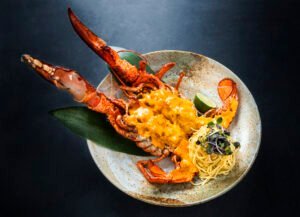
High-performing F&B brands treat visuals as a strategic asset.
They prioritize revenue impact
Every image is created with a purpose.
They maintain consistency
Visual identity is controlled across all platforms.
They update continuously
Content evolves with menu changes and campaigns.
They measure performance
They track which visuals drive orders, not just engagement.
They invest in specialized expertise
They understand that F&B visuals require industry-specific strategy.
Why this matters for your F&B brand’s growth
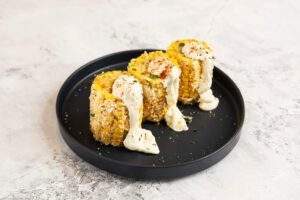
If your menu visuals are weak, every other marketing effort becomes inefficient.
Orders
Customers skip your dishes.
Conversion rates
Traffic does not translate into revenue.
Pricing power
You rely on discounts to compete.
Brand perception
You appear average, regardless of actual quality.
Marketing efficiency
Ads underperform due to weak creatives.
Strong visuals solve these problems at the source.
When you should work with an F&B creative agency
At launch
Your first impression defines your trajectory.
During rebranding
Your visuals must reflect your positioning.
When scaling
Consistency becomes critical.
When conversions are low
Your visuals are likely the bottleneck.
When ads are underperforming
Creative quality is limiting results.
This is where Food on Focus becomes a strategic growth partner rather than just a production agency, ensuring your visuals are aligned with measurable business outcomes.
Final perspective: Your menu is already influencing your revenue
Take a step back and evaluate your menu honestly.
- Do your images create immediate desire?
- Do they justify your pricing?
- Do they stand out in a crowded market?
- If the answer is no, your visuals are not neutral.
- They are actively costing you revenue.
FAQs
What are the best restaurant menu photography ideas?
Focus on hero dishes, texture close-ups, minimalist styling, and platform-specific visuals that improve conversions.
Does menu photography increase sales?
Yes. High-quality visuals can significantly improve conversion rates and drive more orders. (restaurant-menu.net)
How often should menu photos be updated?
Every few months or whenever the menu changes to maintain relevance and performance.
Should I use the same images across platforms?
No. Each platform requires a tailored visual approach for maximum impact.
Do I need a specialized food photography agency?
If your goal is to improve conversions and brand positioning, specialized F&B expertise is essential.
And finally,
The honest test is to compare yourself with the competition the customer actually sees. Open a delivery app, look at your listing beside the venues directly above and below it, and ask which one you would tap if you were hungry and did not know any of them. That side-by-side view, not your own feelings about your food, is how customers decide, and it tells you quickly whether your visuals are selling or simply present.
Audit your menu visuals with complete honesty.
Look at your delivery listings, your Instagram, and your menu images side by side.
Are they designed to sell, or are they simply present? There is a real difference between a photo that merely records what a dish looks like and one built to make a customer want it, and most menus are full of the former.
Do they support your pricing, or force you to discount?
Do they build a recognisable brand, or do they blend into the market?
If your visuals are not actively driving orders, they are quietly reducing your revenue every single day. This is the uncomfortable part: weak menu photography does not sit neutrally in the background. It actively costs you the orders a stronger set would have won, invisibly, across every customer who scrolled past or chose the listing next to yours. The loss never appears on a statement, which is exactly why it is so easy to leave unaddressed.
The good news is that this is one of the most controllable levers a restaurant has. You cannot change your location overnight or rebuild your kitchen, but you can change how your menu presents on a screen, and that change often moves orders faster than almost anything else available to you.
That is exactly where Food on Focus positions itself, not as a photography provider, but as a performance-driven F&B partner focused on turning your menu into a scalable revenue engine.
Pick the ideas that fit, brief them properly, adapt them to each platform, and keep them current, and your menu visuals stop being a cost and start being one of the hardest-working parts of your marketing. For more practical guides on getting there, browse our how-to guides and insights.
Planning this for your own brand? See our menu photography for delivery apps, or our in-house food styling.