Restaurant Menu Photography Ideas That Actually Drive Revenue
Most restaurants are still approaching menu photography as a creative exercise. That approach is costing them money. Your menu is no longer just a list of dishes. It is your most powerful sales interface. Every image on it either creates desire or removes it. There is no middle ground. In a market where customers scroll through dozens of options within seconds, your food is judged visually before it is ever considered. If your images fail to trigger appetite immediately, you lose the sale before the customer even reads your menu. This is why strong restaurant menu photography ideas are not about trends alone. They are about building a system that directly influences conversions, pricing power, and brand perception.
What competitors are doing and where they fall short
If you analyze agencies and industry content across Dubai, a clear pattern emerges.
They emphasize: –
- High-end production quality
- Equipment and technical execution
- Visual trends like bold colors and minimalism.
For example, trend-based insights highlight elements such as vibrant colors, interactive visuals, and minimalist compositions shaping modern food photography.
These are useful, but incomplete.
What is missing is the connection between these visuals and business outcomes such as: –
- Which images drive orders.
- How visuals affect pricing.
- How menu photography impacts delivery conversions.
- How visual systems influence brand recall.
This gap is where most restaurants fail. They invest in visuals, but not in performance. The real role of menu photography in your business. Before exploring ideas, you need to understand the actual function of menu photography. It is not content. It is a conversion tool. Professional food imagery enhances perception, builds trust, and increases the likelihood of purchase by making dishes appear more appealing and consistent.
- Insight: – Your menu images are your primary sales driver in digital environments.
- Explanation: – Customers rely on visuals to assess quality, portion size, freshness, and value. Images reduce uncertainty and speed up decision-making.
- Real-world implication: – A dish that looks average will not be ordered, regardless of how good it tastes in reality.
- Business outcome: – Lower conversions, increased discount dependency, and weak brand positioning.
This is exactly where most restaurants misjudge the problem. They assume demand is the issue, when in reality, perception is.
Restaurant menu photography ideas that actually increase sales
These ideas are not aesthetic suggestions. Each one is rooted in customer psychology and platform behavior.
-
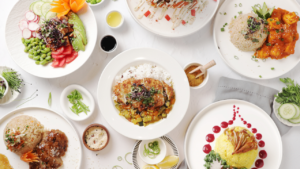
Hero Dish visual dominance: – Most menus treat every item equally. That is inefficient.
Insight
Not every dish deserves equal visual attention.
Explanation
You should prioritize high-margin, high-demand items and give them visual prominence.
Execution
- One strong, clean image per key dish
- Sharp focus, controlled lighting
- No distractions
- Business outcome
Result – Increased sales for profitable items and stronger menu engineering. This is where many restaurants lose control. Without a structured visual hierarchy, customers default to random choices instead of your most profitable ones.
-
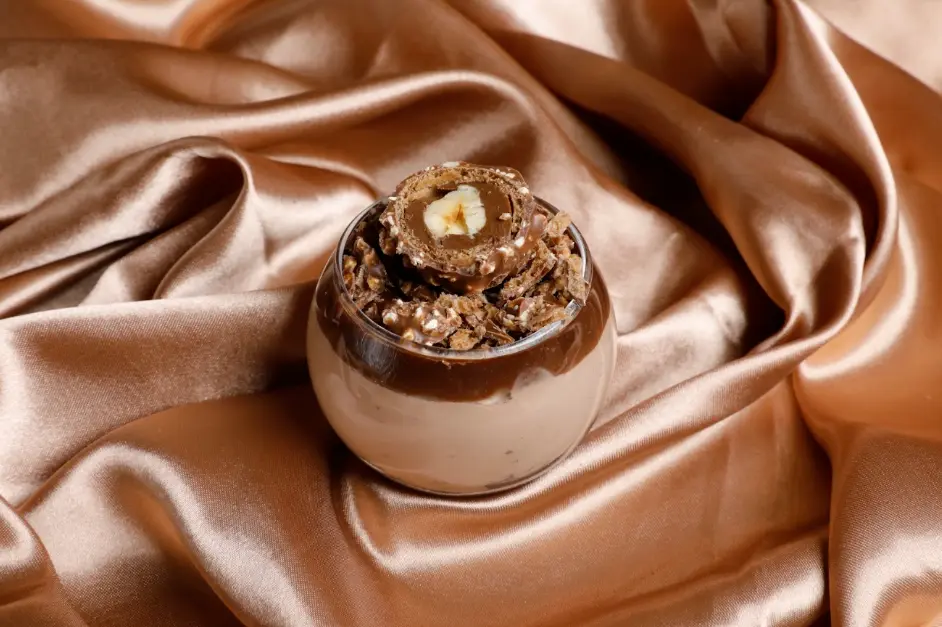
Texture-first close-up photography
Insight
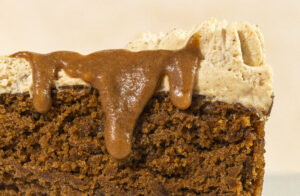
Texture creates appetite faster than composition.
Explanation
Extreme close-ups trigger sensory imagination, making customers feel the food rather than just see it.
Hyper-detailed visuals are increasingly used to capture textures like crispness, creaminess, and freshness.
Execution
- Focus on cheese pulls, sauces, grill marks
- Capture moisture, gloss, and detail
- Business outcome
Result – Higher craving response and improved conversion rates.
-
Minimalist Premium Styling
Insight
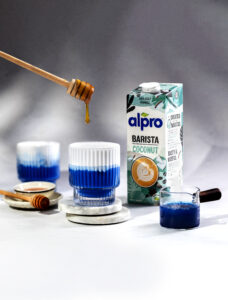
Clutter reduces perceived quality.
Explanation
- Clean compositions with fewer elements position your food as premium.
- Minimalist approaches are widely used to highlight elegance and sophistication.
Execution
- Neutral backgrounds
- Controlled props
- Focus on the dish
- Business outcome
Result – Higher pricing tolerance and improved brand perception.
-
Motion-based Menu Visuals
Insight
Static images struggle to hold attention.
Explanation
- Movement introduces energy and realism, making content more engaging.
- Interactive visuals such as pouring sauces or preparation shots are becoming dominant.
Execution
- Sauce pours
- Beverage preparation
- Finishing touches in motion
- Business outcome
Result – Stronger engagement and better ad performance.
-
Lifestyle-driven menu storytelling
Insight
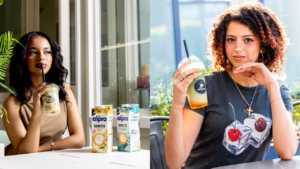
Customers do not just buy food. They buy moments.
Explanation
Contextual imagery helps customers imagine themselves consuming the dish.
Execution
- Hands interacting with food
- Table setups
- Group dining scenarios
- Business outcome
Result – Higher emotional connection and increased order value.
-
Bold color contrast for attention
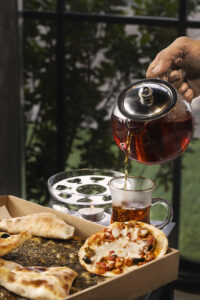
Insight
Color is one of the fastest attention triggers.
Explanation
High contrast makes your dishes stand out in crowded feeds and delivery apps.
Execution
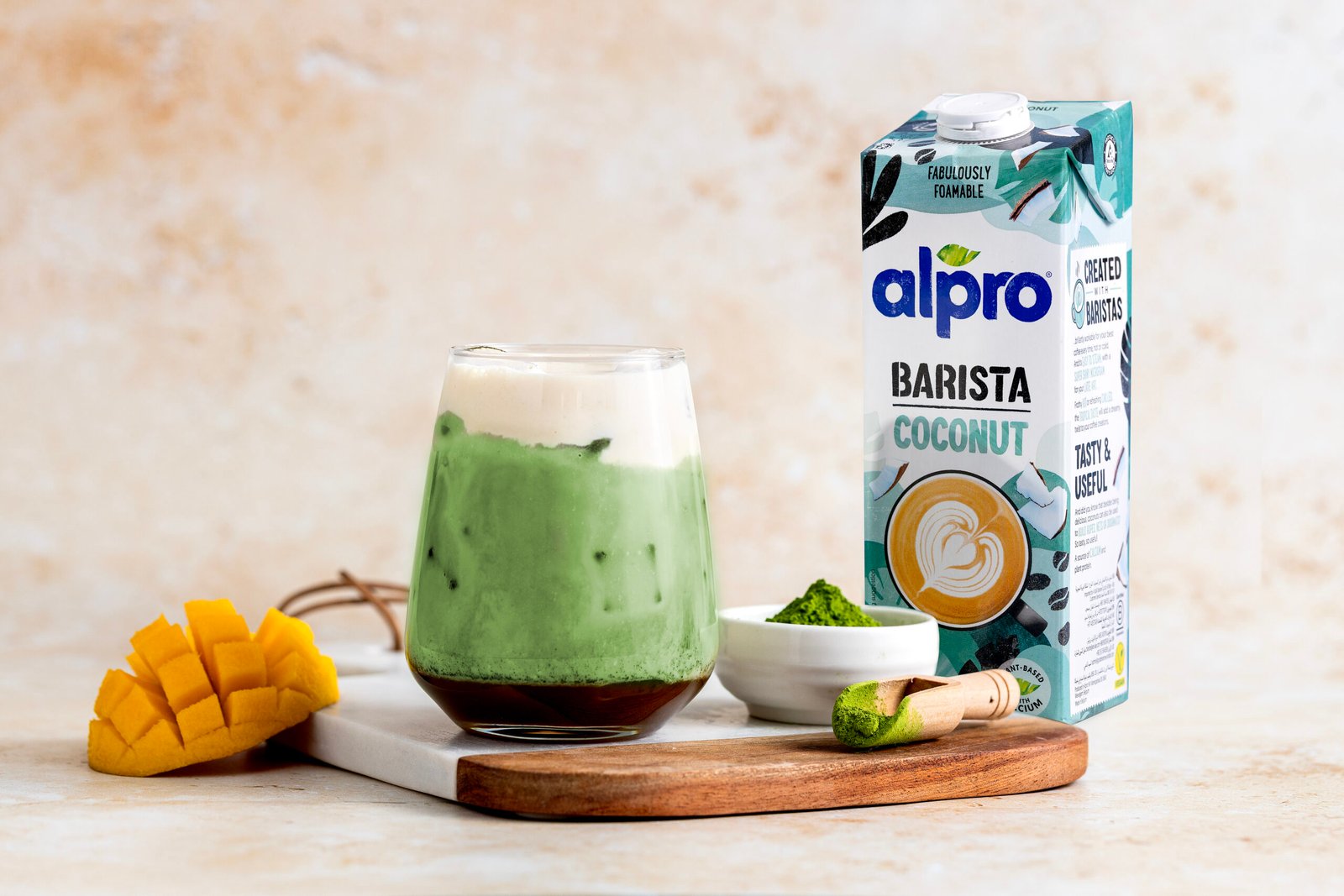
- Vibrant ingredients
- Contrasting backgrounds
- Layered colors
- Business outcome
Result – Higher click-through rates and improved visibility.
-
Natural and Authentic Presentation
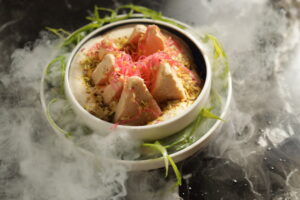
Insight
Overly polished images reduce trust.
Explanation
- Customers respond better to visuals that feel real and relatable.
- Natural lighting and earthy aesthetics are increasingly dominant in modern food photography.
Execution
- Slight imperfections
- Natural light setups
- Real plating
- Business outcome
Result – Higher trust and stronger conversions.
-
Cultural and Brand Storytelling
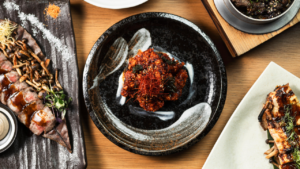
Insight
Story creates memorability.
Explanation
Visuals that reflect cultural identity build emotional depth and differentiation.
Execution
- Traditional props
- Ingredient storytelling
- Regional context
- Business outcome
Result – Stronger brand identity and recall.
-
Multi-dish compositions for upselling
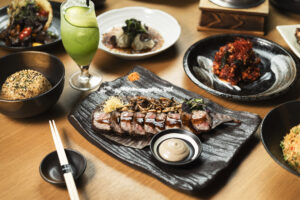
Insight
Customers order more when they see combinations.
Explanation
Showing multiple dishes together increases perceived value and encourages bundling.
Execution
- Combo setups
- Sharing platters
- Full table layouts
- Business outcome
Result – Higher average order value.
-
Platform-specific visual strategy
Insight
One image cannot perform across all platforms.
Explanation
Each platform requires a different visual approach.
Execution
- Clean, clear images for delivery apps
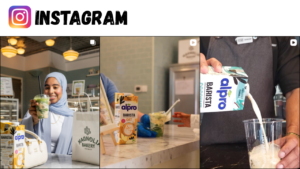
- Story-driven visuals for Instagram
- High-impact creatives for ads
- Business outcome
Result – Improved performance across all channels.
What most restaurants get wrong
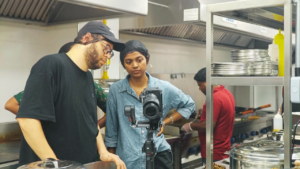
This is where execution collapses. They treat photography as a one-time project menu evolve, but visuals remain outdated.
- They lack consistency
- Different styles, inconsistent quality, no identity.
- They ignore platform behavior
- Same images used everywhere.
- They focus on aesthetics, not performance
- Images look good but do not sell.
- They do not connect visuals to revenue
- No alignment with menu engineering or pricing.
- The problem is not effort. It is direction.
- Where execution actually changes outcomes
- Most restaurants either hire generic photographers or try to manage visuals internally without a clear strategy.
That approach leads to: –
- Inconsistent output
- Weak conversions
- Poor brand positioning
This is where a specialized F&B creative partner like Food on Focus operates differently. Instead of treating photography as a standalone service, the focus shifts to: –
- Identifying revenue-driving dishes
- Designing visuals for conversion
- Aligning content with delivery platforms
- Building a consistent brand identity
- Continuously optimizing visual performance
You are not just getting images. You are building a visual system that drives revenue.
What high-performing F&B brands do differently
- They approach photography as a business function, not a creative add-on.
- They prioritize commercial impact
- Every image has a purpose.
- They maintain consistency
- Visual identity is controlled across all channels.
- They adapt continuously
- Content evolves with the menu and campaigns.
- They measure performance
- They track what sells, not what looks good.
- They invest in specialized expertise
- They understand that F&B photography requires industry-specific execution.
Why this matters for your F&B brand’s growth
If your visuals are weak, every other marketing effort becomes harder, such as: –
- Orders
- Customers skip your dishes.
- Conversion rates
- Traffic does not translate into revenue.
- Pricing power
- You are forced to compete on discounts.
- Brand perception
- You appear average, regardless of quality.
- Marketing efficiency
- Ads underperform due to weak creatives.
- Strong visuals fix the root problem instead of treating symptoms.
When you should invest in Professional Menu Photography
- At launch, your first impression defines your growth trajectory.
- During rebranding, your visuals must match your positioning.
- When scaling, consistency becomes critical across locations.
- When conversions are low, your visuals are likely the bottleneck.
- When ads are underperforming, creative quality is limiting performance.
This is where Food on Focus becomes a strategic growth partner rather than just a creative vendor, aligning visual execution with measurable business outcomes.
Final perspective: Your Menu is already influencing your revenue
Look at your menu honestly. Not as an owner, but as a customer.
- Do your images create immediate desire?
- Do they justify your pricing?
- Do they stand out in a crowded market?
If not, your visuals are not neutral. They are actively reducing your sales potential.
FAQs
What are the best restaurant menu photography ideas?
Focus on hero dishes, texture close-ups, minimalist styling, and platform-specific visuals. Each idea should directly improve conversions.
Does menu photography really impact sales?
Yes. High-quality visuals increase perceived value, improve click-through rates, and drive more orders.
How often should menu photos be updated?
Ideally every few months or whenever the menu changes to maintain relevance and performance.
Should the same images be used across platforms?
No. Each platform requires a tailored visual approach for optimal performance.
Do restaurants need professional food photography?
If the goal is to increase revenue and build a strong brand, professional and strategic execution is essential.
Now, here’s what you are goanna Do!
Take a step back and audit your menu visuals across every platform. Not casually. Critically.
- Are your images designed to sell, or are they simply filling space?
- Are they aligned with your pricing, or forcing you to discount?
- Are they consistent enough to build recognition, or easily forgettable?
If your visuals are not actively driving orders, they are quietly costing you revenue every single day.
That is exactly the gap where Food on Focus operates, not as a photography provider, but as a performance-driven F&B creative partner built to turn your menu into a revenue engine