Restaurant Photographer in Dubai: The Gap Between Good Food and High Orders
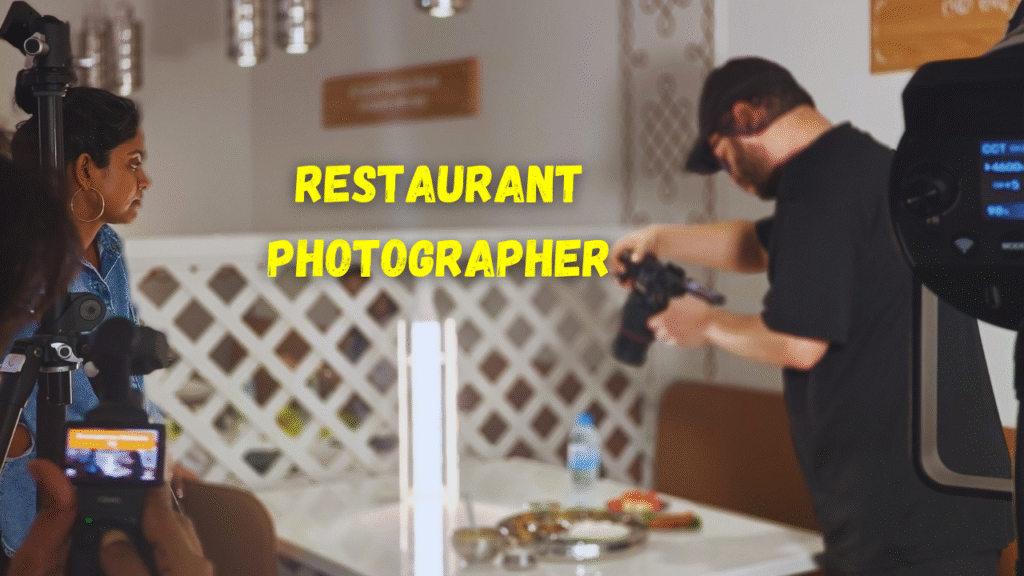
Dubai’s F&B industry is not short on good food. It is short on restaurants that know how to sell that food visually and that’s where a restaurant photographer in Dubai makes the difference.
Every day, customers scroll through delivery apps comparing dozens of options within seconds. In that moment, they are not evaluating taste, ingredients, or even reviews in depth. They are making a fast judgment based on what they see first.
This is why two restaurants with similar menus and pricing can perform completely differently. One struggles with low conversions and depends heavily on discounts, while the other consistently attracts orders and maintains stronger margins.
The difference is not operational. It is visual.
And this is exactly where most restaurant owners misunderstand what hiring a restaurant photographer in Dubai should actually achieve. It is not about getting better pictures. It is about improving how your food performs as a sales asset.
The Shift: Why Visuals Now Drive Ordering Behavior
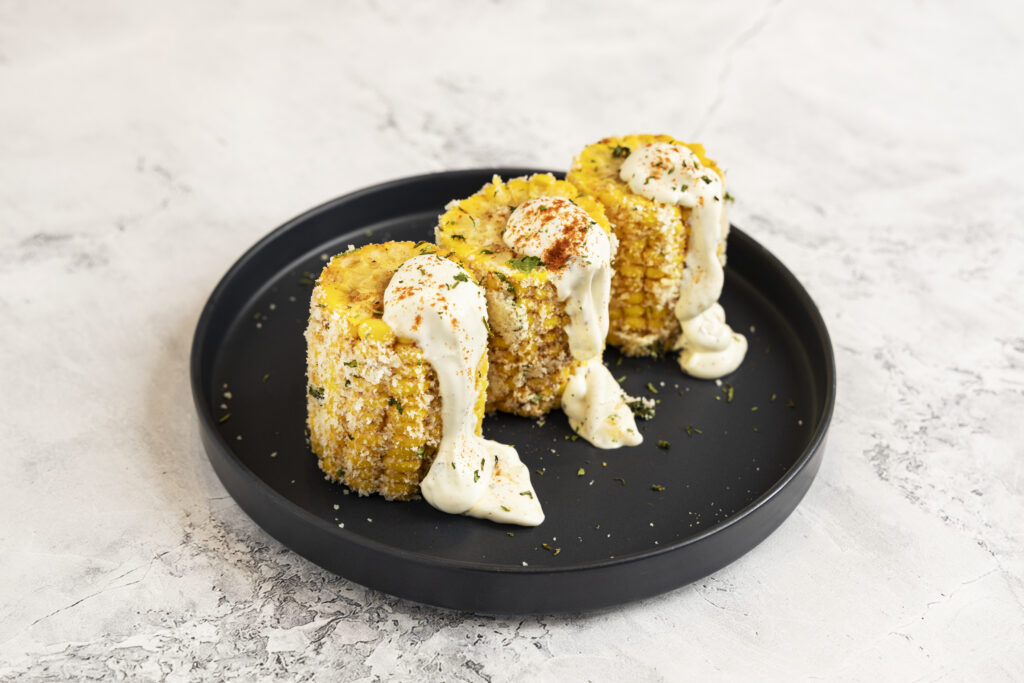
Customer behavior has fundamentally changed, especially in delivery-first markets.
People scroll, compare, and decide quickly. In many cases, the decision to order is made before reading descriptions or exploring the full menu. This is why visuals have become the primary driver of conversion.
Data across delivery platforms shows that professional food photography can increase orders anywhere between 15 percent to 70 percent depending on baseline quality, while menu images alone can boost conversions by 25 percent or more.
Restaurants that improve their menu visuals also report sales increases of around 30 percent on key dishes.
But here is the important distinction most brands miss.
It is not the presence of images that drives growth. It is the quality, intent, and execution of those images.
This is where most restaurants plateau. They invest in photography but do not see meaningful business impact because the visuals were never designed to convert in the first place.
This is exactly the gap that Food on Focus addresses by approaching photography not as a creative deliverable, but as a performance tool.
What a Restaurant Photographer in Dubai Should Actually Solve
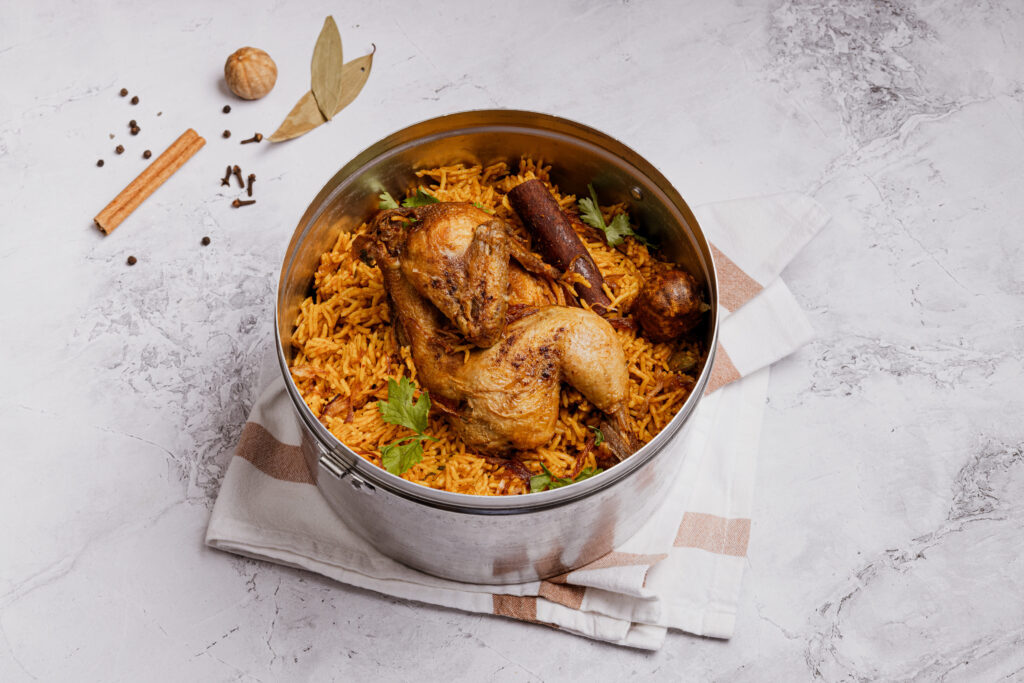
If you strip away the surface, food photography is not about making dishes look attractive. It is about removing hesitation and accelerating decisions.
A strong F&B visual strategy answers questions that customers do not consciously ask but immediately feel.
Does this look worth the price
Does this feel premium or average
Does this look fresh and satisfying
Does this stand out from other options
Most photographers focus on composition and lighting. Those are important, but they are not enough.
The real differentiator is understanding how visuals function inside:
- Delivery platforms
- Social media feeds
- Paid advertising
This is where most restaurants struggle. They have images, but those images are not built for performance across platforms.
This is also where working with a specialized F&B agency like Food on Focus changes the outcome. Instead of delivering isolated photos, the focus shifts to building a visual system that supports ordering behavior, platform algorithms, and brand positioning simultaneously.
Why This Matters for Your F&B Brand’s Growth
Food photography is often treated as a branding exercise, but its impact is deeply commercial.
Orders and Conversion
Better visuals reduce friction and increase trust, which directly improves order volume. Studies show that better menu photos can increase online orders by 25 to 35 percent.
Pricing Power
Customers associate visual quality with product quality. When your food looks premium, customers are more willing to pay more and less likely to depend on discounts.
Customer Perception
Before tasting your food, customers have already decided whether it feels premium or not. This perception is entirely driven by visuals.
Platform Visibility
Better-performing listings often get more exposure, creating a cycle where strong visuals lead to stronger performance over time.
Now the important part.
Most restaurant owners understand these outcomes conceptually, but they struggle to achieve them because execution requires coordination between creative direction, styling, lighting, and platform optimization.
This is exactly where Food on Focus becomes relevant not as a vendor, but as a partner that translates visual quality into measurable business results.
Real Scenario: Same Dish, Different Business Outcome
Take a simple example.
Two restaurants sell the same biryani at similar price points.
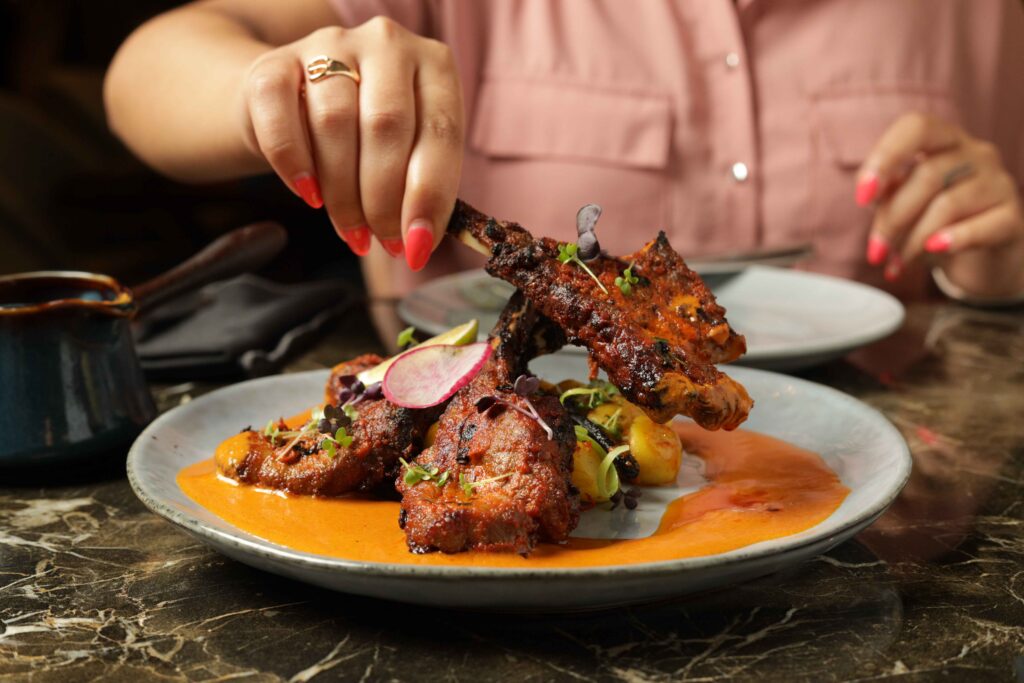
The first uses a dull, flat image where the texture is unclear and the portion looks smaller than it actually is. The second uses a well-styled image where the grains are distinct, the garnish adds contrast, and the lighting highlights freshness.
The dish has not changed. The perception has.
And perception is what drives the decision.
Restaurants that invest in high-quality visuals consistently report higher engagement, stronger recall, and better sales performance because customers are responding to what they see, not what they assume.
This is why Food on Focus approaches every shoot with intent. The goal is not to document the dish but to position it in a way that makes it immediately desirable.
What Most Restaurants Get Wrong
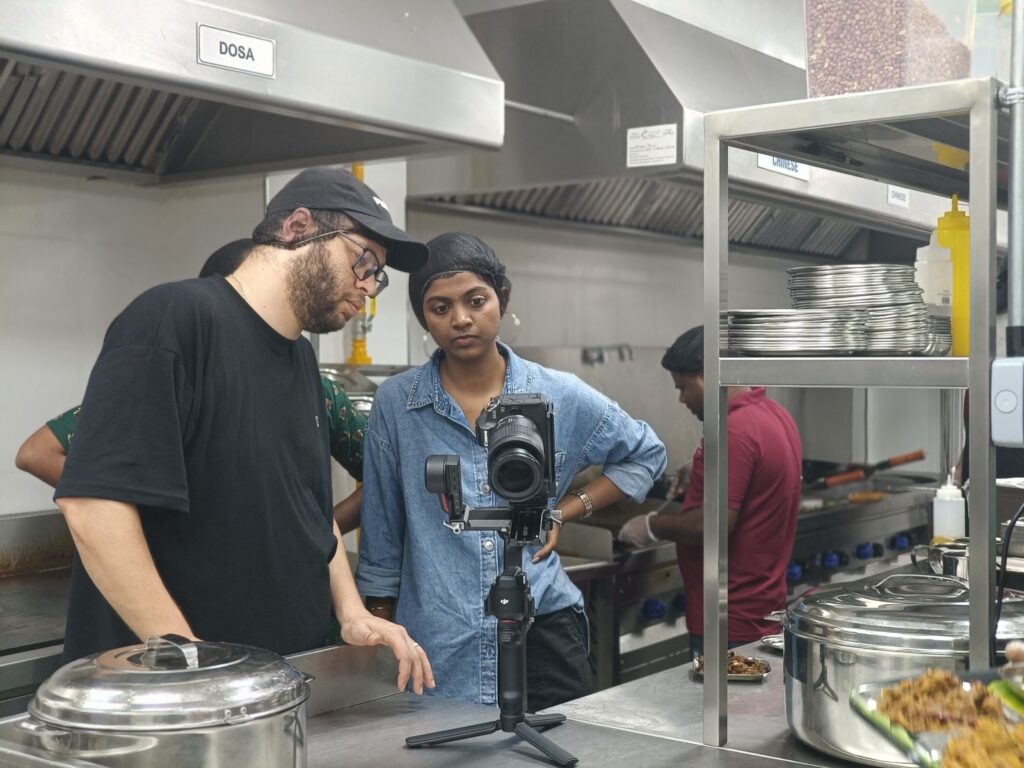
Even when restaurants invest in photography, they often fail to see results because of how they approach it.
Many rely on inconsistent visuals across platforms, which weakens brand identity. Others shoot randomly without prioritizing high-performing dishes or campaign needs. Some use the same images everywhere without adapting for platform behavior.
The biggest mistake is treating photography as a one-time activity.
In a fast-moving market, static visuals lose effectiveness quickly. Without a structured content approach, even good photography stops delivering results.
This is where most brands hit a ceiling.
And this is where Food on Focus stands out by building not just photos, but a consistent and scalable content system that supports ongoing growth.
What High-Performing F&B Brands Do Differently
High-performing brands treat visuals as a core growth lever.
They invest in images that are designed for specific outcomes such as increasing clicks, improving conversions, or enhancing brand perception. They maintain consistency across all platforms so that customers instantly recognize their identity. They also build content pipelines that support campaigns, launches, and ads without starting from zero each time.
Most importantly, they align visuals with business goals.
This is why brands that work with specialized F&B teams like Food on Focus tend to outperform competitors. The difference is not just creative quality. It is strategic alignment.
The Dubai Context: Why Average Visuals Fail Faster
Dubai is one of the most competitive visual markets in the world.
Customers here are constantly exposed to high-quality content, which raises expectations across the board. Average visuals do not just underperform. They make your brand invisible.
Restaurants that fail to meet these expectations often compensate with discounts, which affects margins and long-term positioning.
On the other hand, brands with strong visual presentation build perceived value, allowing them to command better pricing and reduce dependency on promotions.
This shift is not accidental. It is the result of deliberate visual strategy.
This is also why Food on Focus focuses specifically on F&B brands, because generic creative approaches do not work in a market this competitive.
When Should You Work with an F&B Creative Agency
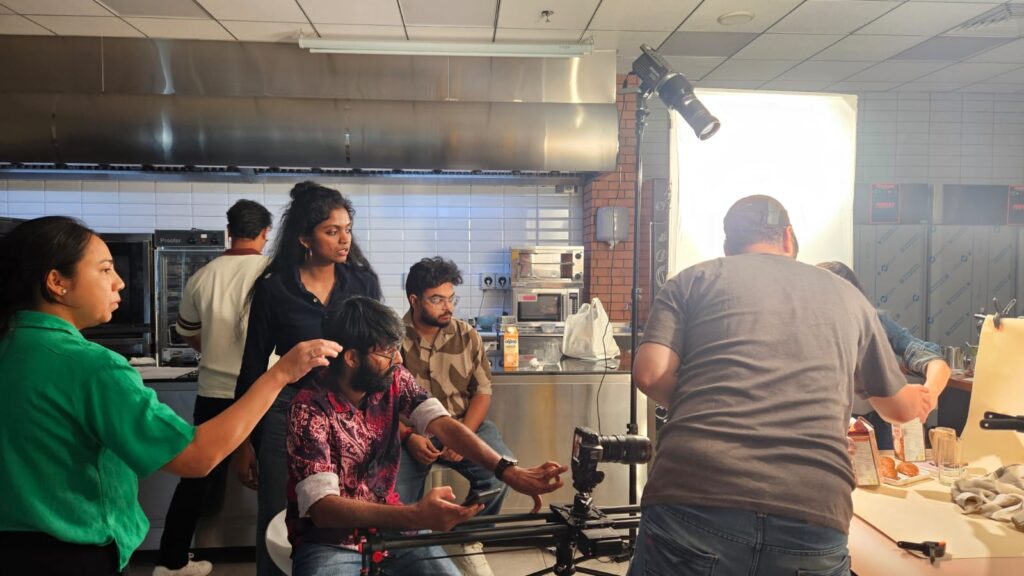
There are clear moments when professional support becomes necessary.
When you are launching and need strong first impressions
When you are rebranding and need to shift perception
When your conversions are low despite good traffic
When your ads are not delivering results
When your brand feels forgettable
At these stages, the issue is rarely the product. It is how the product is being presented.
This is where Food on Focus typically comes in, helping brands move from having content to having content that actually performs.
Why Execution Is Where Most Brands Fail
Most restaurant owners already know that visuals matter.
But knowing is not enough.
Execution requires:
- Structured shoot planning
- Food styling expertise
- Lighting control
- Platform understanding
- Strategic direction
Without this, even good photography fails to convert.
This is why Food on Focus does not position itself as a photography service. It positions itself as a team that understands how to connect visuals with revenue outcomes.
The Real Shift: From Content to Conversion
At a high level, the difference between underperforming and high-performing restaurants is not effort.
It is how effectively their visuals translate into decisions.
Weak visuals lead to hesitation.
Strong visuals lead to action.
That difference shows up directly in:
- Orders
- Pricing
- Brand recall
And in a market where customers decide within seconds, that difference compounds quickly.
FAQs
Why is food photography important for restaurants
Food photography directly influences customer perception and decision-making by making dishes look appealing and trustworthy, which improves conversions and engagement.
Does better food photography increase orders
Yes. Professional food photography can increase orders by 15 to 70 percent depending on quality and platform optimization.
How much does food photography cost in Dubai
Costs vary based on scope and production quality, but it should be viewed as a long-term investment due to its direct impact on revenue.
How can restaurants improve Zomato or Deliveroo conversions
By using high-quality, platform-optimized visuals that clearly communicate value, portion size, and freshness.
Do I need professional branding for my café
Yes. Strong branding and visuals are essential to stand out in competitive markets and build long-term customer trust.