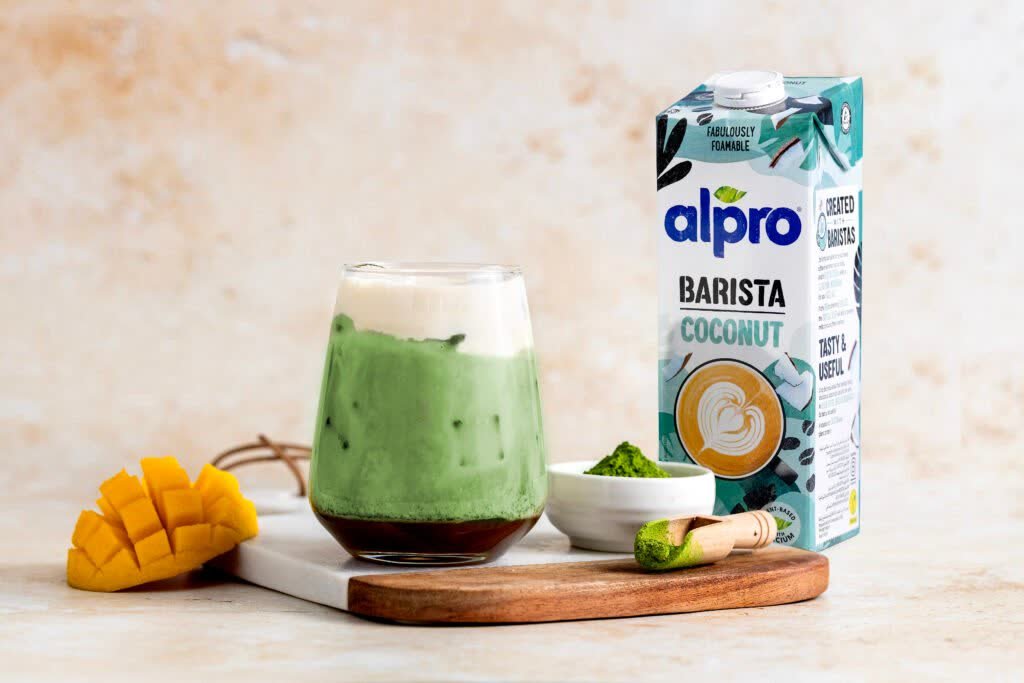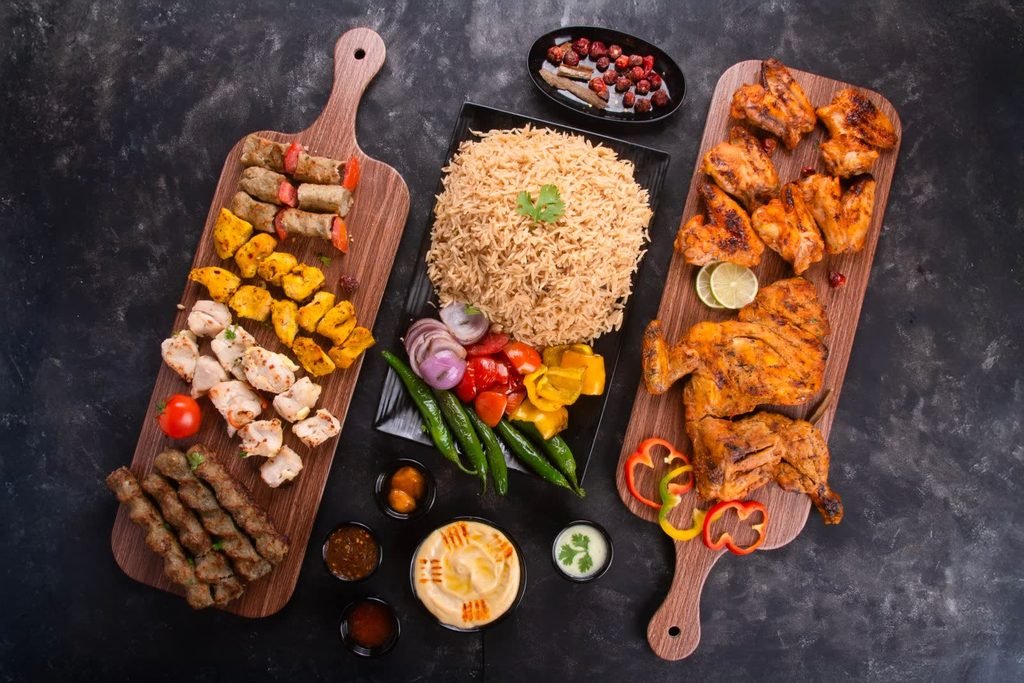
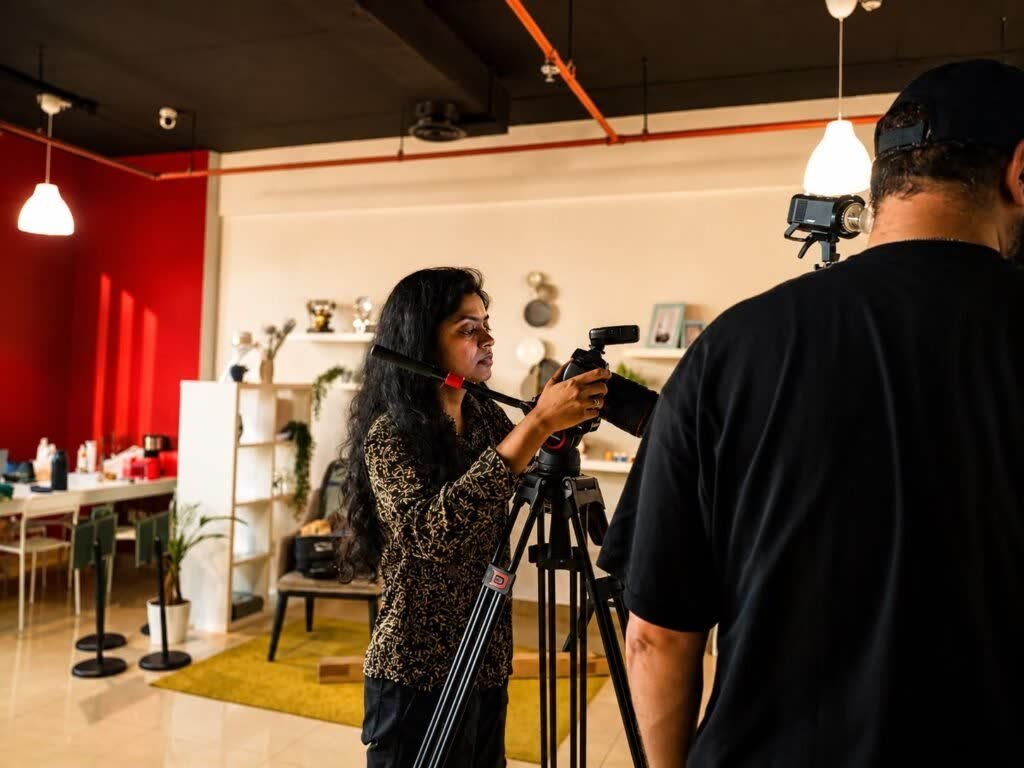
There is a quiet experiment running inside every restaurant menu, and most owners never realize they are part of it. Two dishes of similar cost and similar appeal sit a few lines apart, yet one consistently outsells the other. The kitchen has not changed anything, the price is comparable, and the description is no more persuasive. The difference, more often than not, is the photograph beside the name, or the absence of one. Menu photography in Dubai is one of the most underestimated levers in the food and beverage business, because it operates at the exact moment a customer decides what to spend money on, and it does so silently, without a server, a discount or a single word of persuasion.
In Dubai, where diners move fluidly between dine-in, QR-code menus, delivery apps and social discovery, the menu image has become the hardest working salesperson a restaurant employs. It never takes a day off, it greets every customer identically, and it either builds appetite and confidence or it plants doubt. Great food does not sell if it does not look irresistible online, and the menu is where that principle earns or loses money one dish at a time. This article examines how menu photography actually changes buying behavior, why the same dish sells differently depending on its image, where restaurants routinely get it wrong, and how to treat menu visuals as a revenue system rather than a decorative afterthought.
Why the Menu Image Decides the Order
To understand why menu photography matters so much, it helps to look at how people actually read a menu. They do not read it the way they read a book, line by line, weighing each option. They scan, and the eye is pulled first to images, then to prices, then to names, and only occasionally to the descriptions that owners agonize over. A photograph therefore does something no line of text can. It captures attention instantly and communicates the promise of the dish before the rational mind has engaged, which is why visual processing is so much faster than reading and why an image lands as desire rather than information.
This speed has a measurable commercial effect. A photograph next to a menu item gives diners a clear idea of what they will get, and many diners prefer to see a picture before they order. The reason is confidence. A clear photograph answers the questions a hesitant customer is silently asking, about portion, freshness, ingredients and presentation, and a confident customer orders while an uncertain one defaults to the safe, familiar and often cheaper choice.
The implication for a Dubai restaurant is that menu photography is not window dressing on a decision that has already been made. It is part of the decision itself. Every dish you want to sell more of is competing for a scanning eye, and the dish with the stronger image wins that competition before price or description are even considered. Over a month of covers, that small per-dish advantage compounds into a meaningful difference in revenue and in which items your kitchen ends up making most often.
The Same Dish, Two Photographs, Two Different Businesses
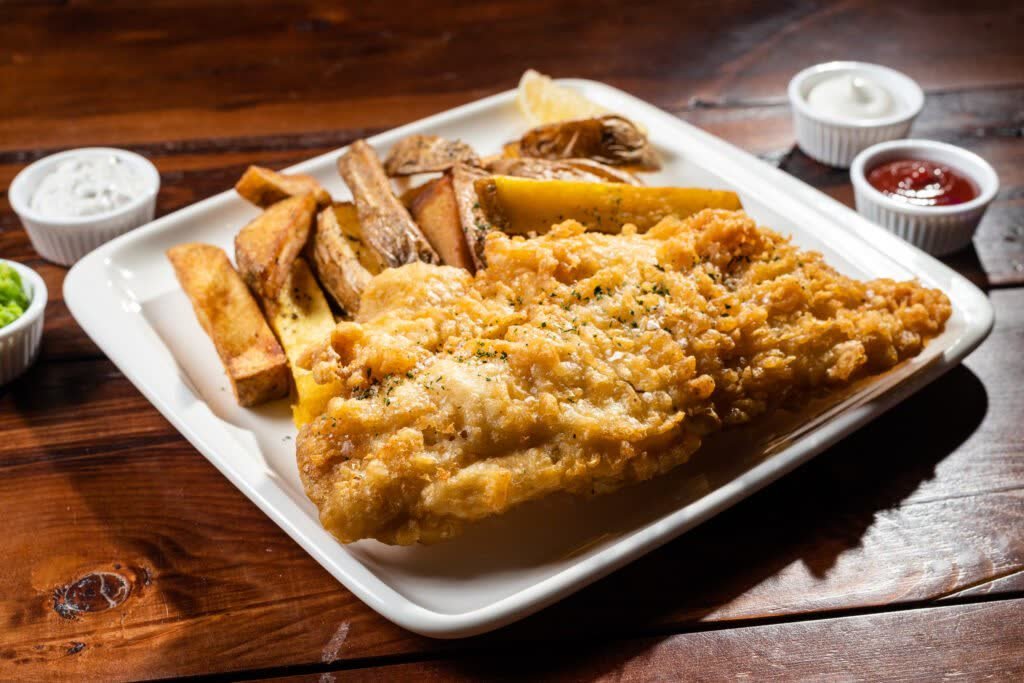
The clearest way to feel the power of menu photography is to hold the food constant and change only the image, because it isolates exactly what the photograph is doing to behavior.
Imagine a signature pasta on two different menus. On the first, it appears in a dim, slightly yellow phone photo taken quickly during service, the plate crowded and the colors muddy. On the second, the same pasta is captured with clean, directional light, a considered angle that shows the texture, and styling that makes the sauce and garnish look fresh and deliberate. Nothing about the recipe has changed, yet the second version will reliably sell more, because it reads as more appetizing and more trustworthy in the split second the customer looks at it. The first photograph creates doubt, and doubt is where orders quietly go to die.
Now extend the same logic to pricing. A dish that looks carefully made and premium supports a premium price, because the image sets the customer’s expectation of value before they ever see the number. When higher color saturation and controlled lighting make food read as fresher and better, purchase intent rises and price resistance falls, which is why strong menu photography gives a restaurant room to hold or raise prices rather than compete only by cutting them. The photograph is not just selling the dish, it is defending the margin on the dish, and that is a fundamentally different and more valuable job than looking pretty.
Finally, consider what happens across an entire menu rather than a single item. When every dish is photographed to the same high standard, the menu itself becomes a signal of quality, and that halo lifts the perceived value of the whole restaurant. This is where the work stops being a set of pictures and becomes a system, and it is precisely the point at which many owners recognize that a specialized food and beverage creative team delivers something a generalist photographer does not, because the brief is built around conversion and consistency, not around individual shots.
What Most Restaurants Get Wrong with Menu Photography
If menu photography is this influential, the obvious question is why so many menus, printed and digital alike, are filled with weak or inconsistent images. The answer is that most restaurants approach it as a one-off chore rather than a revenue discipline, and the same mistakes appear again and again.
They settle for amateur visuals
The most common failure is relying on quick phone snaps taken in service lighting. The issue is not the camera but the conditions, because appetizing food photography depends on controlled light, thoughtful styling and angles chosen to flatter each specific dish, none of which happen spontaneously at a busy pass. Amateur images make even excellent food look ordinary, and an ordinary looking dish is an easy dish to skip.
They shoot without a strategy
A second mistake is photographing dishes with no thought about which items the business actually needs to sell. Not every dish deserves equal prominence. High margin items, signatures and dishes the kitchen wants to move faster should be shot to be irresistible, while lower priority items can be simpler. Shooting everything the same way, or worse, shooting whatever happens to be plated that day, wastes the persuasive power of imagery on dishes that do not move the numbers.
They allow visual inconsistency
When dishes are captured at different times, in different styles and on different backgrounds, the menu becomes a patchwork that looks assembled rather than designed. Inconsistency undermines trust, because the customer cannot form a single clear impression of the brand, and a brand that cannot be pictured cannot be remembered. In a market as crowded as Dubai, forgettable is one of the most expensive things a restaurant can be.
They ignore where the menu will live
Menus today appear on printed cards, QR-code screens, delivery apps and social feeds, and an image that works in one context can fail in another. A photograph styled for a large printed menu may lose all its impact when compressed to a delivery thumbnail. Restaurants that shoot without considering the final format end up with images that look good in one place and weak everywhere else, which limits the return on the entire shoot. Each of these gaps is a failure of execution rather than of the food, and this is where a specialized food and beverage creative partner changes the outcome, because it closes them by design instead of leaving them to chance.
What High-Performing F&B Brands Do Differently
The restaurants that turn menu photography into measurable growth share a set of habits that any operator can adopt, and none of them depend on an unusually large budget.
They shoot for conversion, treating each image as a tool to sell a specific dish rather than as a portfolio piece, which means the items they most want to move are styled to be the hardest to resist. They maintain a consistent visual language, so that light, angle and background repeat across the menu and the whole experience feels like one deliberate brand. They shoot for every destination the menu will inhabit, capturing and framing so that the same dish holds up on a printed card, a QR screen and a delivery thumbnail. And they think in terms of menu engineering, using photography and placement together to guide customers toward high margin and signature dishes rather than leaving the choice entirely to chance.
The common thread is intent. High performers do not photograph a menu, they engineer one, using images as instruments of profitability. That is the mindset a specialized partner such as Food on Focus brings to a menu shoot, planning the visuals around the dishes that matter most to the business and the places the menu will actually be seen, so that the photography earns its cost rather than simply filling space.
Menu Photography Across Every Format Diners Use
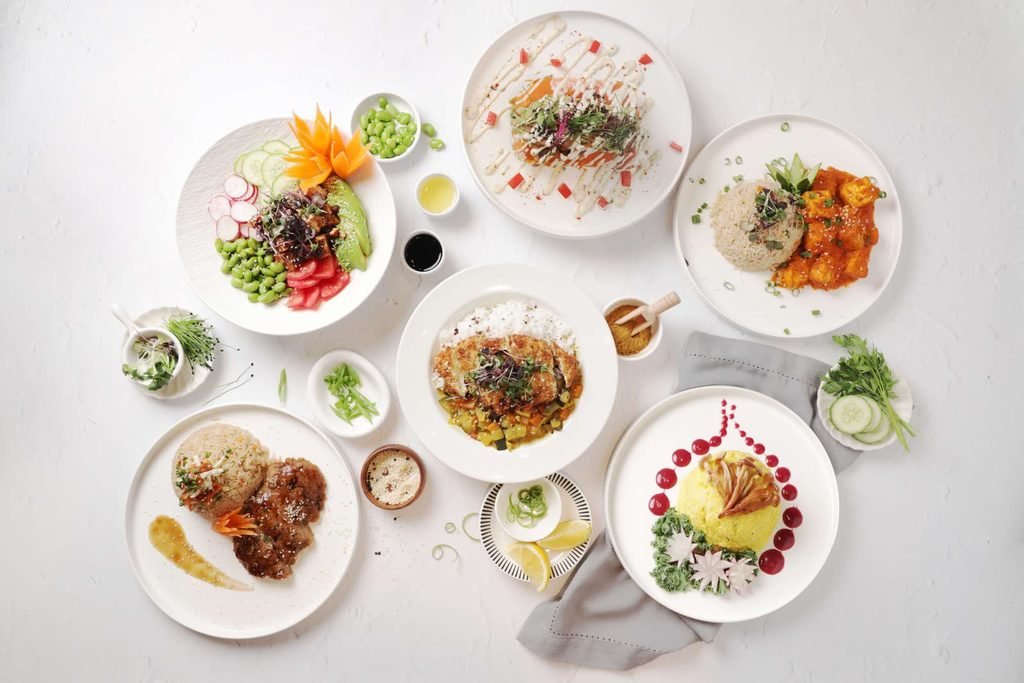
A modern Dubai menu is rarely a single artefact. The same dish may need to perform on a printed table menu, a QR-code digital menu, a delivery app listing and an Instagram post, and each context rewards slightly different treatment. Planning for this at the point of capture is what separates a photo library that works everywhere from one that works in only one place.
| Where the menu lives | What the customer is doing | What the image must do |
| Printed or in-house menu | Seated, browsing at leisure | Reinforce quality and justify price; richer styling rewards the closer look |
| QR-code digital menu | Scanning quickly on a phone at the table | Stay clear and appetizing on a small screen; guide the eye to signatures |
| Delivery app listing | Comparing many options in seconds | Stop the scroll at thumbnail size; remove doubt about what arrives |
| Social media | Discovering, not yet deciding | Create desire and shareability; build recall before the visit |
The practical lesson is that a menu shoot should begin with the question of where each image will be used, not end with it. When capture is planned around the printed card, the QR screen, the delivery thumbnail and the social feed together, a single well run shoot produces a versatile library that performs across every touchpoint. When it is not, restaurants end up paying repeatedly to reshoot the same dishes for each new context, which is slower and more expensive than getting it right once.
Why Strong Menu Photography Matters for Your Growth
When menu photography is done well, its influence reaches almost every number that determines whether a restaurant grows. It raises conversion at the dish level, because a clear, appetizing image moves the scanning customer from hesitation to order, and small per-dish gains accumulate quickly across a full service. It strengthens pricing power, because considered presentation supports considered prices and reduces the pressure to win on discount alone.
It builds brand perception and recall, because a consistent, high quality menu tells customers what kind of restaurant they are dealing with and makes the brand easy to remember and return to. It steers the mix of what sells, because photography and placement together can nudge customers toward the high margin and signature dishes that a kitchen most wants to move. And it protects the value of every other marketing dirham, because the same social post, delivery promotion or printed menu converts better when the imagery is strong. Understood this way, menu photography is not a decorative expense sitting beside the real business. It is a direct input to revenue, margin and brand equity, which is why the strongest F&B operators treat it as a strategic investment rather than a task to be finished as cheaply as possible.
When to Bring in a Specialized F&B Creative Agency
Not every menu needs an agency at every moment, but there are clear points where specialized help changes the outcome rather than simply producing a set of pictures.
- At launch, when a new restaurant or menu needs a complete, cohesive visual identity from day one, because a weak first impression is costly to undo.
- During a rebrand or menu revamp, when dishes must be recaptured consistently in a new visual language rather than updated piecemeal.
- While scaling, when new outlets, formats or platforms need one repeatable, coherent visual system rather than a series of disconnected shoots.
- When conversions are soft, and a healthy flow of diners or browsers is not translating into orders of the dishes you want to sell.
- When the menu feels inconsistent, and the visuals no longer match the quality of the food or the ambition of the brand.
These are the moments when a specialized food and beverage creative partner earns its place, because the work is no longer about a single photograph but about a menu engineered to convert, to hold its prices and to be remembered. Food on Focus partners with restaurants, cafes and cloud kitchens at exactly these points, approaching menu photography as a revenue system built around the dishes and formats that matter most to the business.
Frequently Asked Questions
Why is menu photography important for restaurants in Dubai?
Diners scan menus visually and are drawn to images first, so a strong photograph captures attention and builds confidence before price or description are even considered. A photo beside an item makes it easier to choose, and some diners hesitate to order a dish they cannot see, which makes menu photography a direct influence on what customers buy.
Does menu photography actually increase sales?
Yes. Adding a photograph to a menu item works by reducing uncertainty: the diner can see what will arrive. When customers can clearly see the portion, ingredients and presentation, they order with confidence instead of defaulting to a safer, often cheaper choice.
How much does menu photography cost in Dubai?
As a general guide, professional food and menu photography in Dubai often falls between roughly AED 1,500 and AED 4,400 for a shoot of around ten dishes, though the figure depends on styling, usage rights and the formats you are shooting for. You should confirm current rates directly, as pricing changes over time. The more useful measure is return, since even a modest lift in conversion or pricing power across a menu usually recovers the cost quickly.
Do I need professional photos or is a good phone camera enough?
The limitation is rarely the camera and almost always the conditions. Appetising menu photography depends on controlled lighting, deliberate styling and angles chosen for each dish, none of which happen reliably during service. A modern phone can capture detail, but it cannot supply the light and styling that make food look irresistible and consistent across a whole menu.
How does menu photography help with branding?
A consistent set of high quality images gives the menu one clear visual voice, which shapes how customers perceive the restaurant and makes the brand easier to remember and return to. Inconsistent or amateur images do the opposite, scattering the impression and weakening recall, which matters greatly in a market as competitive as Dubai.
Menu Photography in Dubai: Look at Your Menu the Way a Customer Does
Take out your own menu, in whatever form your customers meet it most often, whether that is a printed card, a QR-code screen or a delivery listing, and look at it as a first-time guest rather than as the person who built it. Move through it the way a diner does, letting your eye jump to the images, and ask honestly of each one. Does this photograph make me want the dish, does it make the price feel fair, and does the menu as a whole feel like one confident brand or a set of unrelated pictures.
If the honest answer is that your images are not doing that work, then your menu is quietly under-selling your food every day, and no clever description will rescue a dish that looks unconvincing. When you are ready to turn your menu into a genuine sales tool, Food on Focus can help you audit what you have today and build the menu photography your dishes deserve.
Planning this for your own brand? See our menu photography for delivery apps.